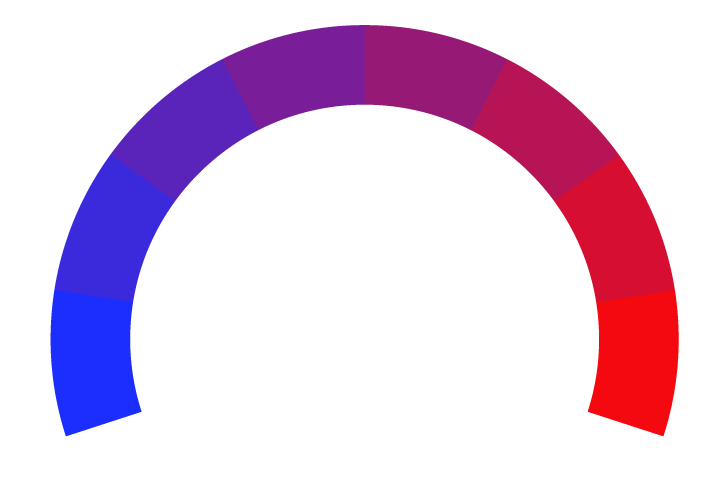
Based on the information provided, Congressman Bob Goodlatte appears to have a conservative leaning on criminal justice policy. He supported legislation like the FIRST STEP Act, which aimed to reform the federal prison system and improve inmate rehabilitation programs. However, he also criticized the Obama administration's attempts to unilaterally change criminal justice policies, arguing that reforms should be done through Congress. Overall, Goodlatte's stance seems to balance public safety concerns with a desire for more effective rehabilitation and reentry programs for offenders.
Source: House Republicans Judiciary Committee Based on the information provided, Congressman Bob Goodlatte appears to have a conservative leaning on economic policy. He has advocated for regulatory reform measures such as the Regulatory Accountability Act, which aims to reduce burdensome regulations and promote economic growth and job creation. Goodlatte has also been a strong supporter of a balanced budget amendment, citing concerns over rising federal debt and the negative consequences it can have on the economy. Overall, Goodlatte's stance on economic issues seems to align more with conservative principles of limited government, reduced regulation, and fiscal responsibility.
Source: House Republicans Judiciary Committee Based on the information found in the sources, Congressman Bob Goodlatte appears to have a Somewhat Right stance on education policy. He has supported measures to reauthorize school choice programs like the Scholarships for Opportunity and Results (SOAR) Act, which provides funding for private school vouchers in Washington, D.C. However, he has also voted in favor of the Every Student Succeeds Act, which increased federal involvement in K-12 education. Overall, Goodlatte's record suggests a balanced approach that leans slightly towards conservative policies in the realm of education.
Source: House Republicans Judiciary Committee Bob Goodlatte has a strongly conservative stance on energy policy. He consistently voted against measures to promote renewable energy, energy efficiency, and clean energy, while supporting policies that favor fossil fuels. Goodlatte voted to bar the EPA from regulating greenhouse gas emissions, open up the Outer Continental Shelf for oil drilling, and authorize the construction of new oil refineries. He also opposed tax incentives for renewable energy and investment in homegrown biofuels. Overall, Goodlatte's voting record indicates a Very Right leaning on energy policy.
Source: LCV Based on the information from the online sources, Congressman Bob Goodlatte has a conservative stance on government dependency. He has voted to maintain work requirements for welfare recipients and to limit welfare spending, indicating a belief in promoting self-reliance over government assistance. However, he has also supported faith-based organizations in providing services to families, suggesting a more nuanced view. Overall, Goodlatte's voting record suggests a Medium Right leaning on the issue of government dependency.
Source: On The Issues Based on the information provided, Congressman Bob Goodlatte appears to have a conservative stance on healthcare policy. He has consistently voted in favor of repealing or limiting the Affordable Care Act, also known as Obamacare, and has supported measures to increase competition in the healthcare industry, such as repealing the antitrust exemption for health insurance companies. Goodlatte has also advocated for litigation reforms to lower healthcare costs and increase accessibility. Overall, his voting record and public statements indicate a conservative approach to healthcare policy.
Source: House Republicans Judiciary Committee Based on the information provided, Congressman Bob Goodlatte appears to have a conservative stance on immigration policy. He has co-sponsored legislation that would secure the border, reduce chain migration, and provide a solution for the DACA program. However, he has also expressed disappointment when bipartisan immigration bills failed to advance in the House, indicating a willingness to find a compromise. Overall, Goodlatte's position on immigration seems to be Somewhat Right, as he supports tighter border security and immigration restrictions while also acknowledging the need for a legislative solution.
Source: House Republicans Judiciary Committee Based on the information gathered from the provided contexts, Congressman Bob Goodlatte has a Very Right stance on national security issues. He has consistently voted in favor of expanding military funding, supporting the deployment of strategic defense initiatives, and granting the government broader surveillance powers under the PATRIOT Act. Goodlatte has also opposed measures that would limit the military's role or impose greater oversight on intelligence-gathering activities. Overall, his voting record indicates a strong commitment to a robust national defense and security apparatus.
Source: On The Issues Based on the information provided, Congressman Bob Goodlatte appears to have a Very Right stance on reducing the budget deficit. He has consistently advocated for a balanced budget amendment to the Constitution, which would require the federal government to balance its budget each year. Goodlatte believes that Congress has repeatedly failed to rein in excessive spending and that a constitutional requirement is necessary to force fiscal responsibility. He argues that the growing national debt is an unfair burden on future generations and that drastic action is needed to address the country's fiscal crisis. Overall, Goodlatte's position on reducing the budget deficit is firmly rooted in conservative principles of limited government and fiscal austerity.
Source: House Republicans Judiciary Committee Based on the information from the sources, Congressman Bob Goodlatte has a Very Right stance on the War on Drugs. He strongly supports the use of mandatory minimum sentences as an effective tool for law enforcement to target and prosecute high-level drug traffickers and kingpins. Goodlatte has also worked to block any efforts to reform federal drug laws, including opposing bills that would reduce mandatory minimums. He has consistently voted against measures that would limit the federal government's ability to enforce drug prohibition, even in states that have legalized marijuana.
Source: Forbes
|