




30% Somewhat Right
Bias Meter
Extremely
Liberal
Very
Liberal
Somewhat Liberal
Center
Somewhat Conservative
Very
Conservative
Extremely
Conservative
-100%
Liberal
100%
Conservative

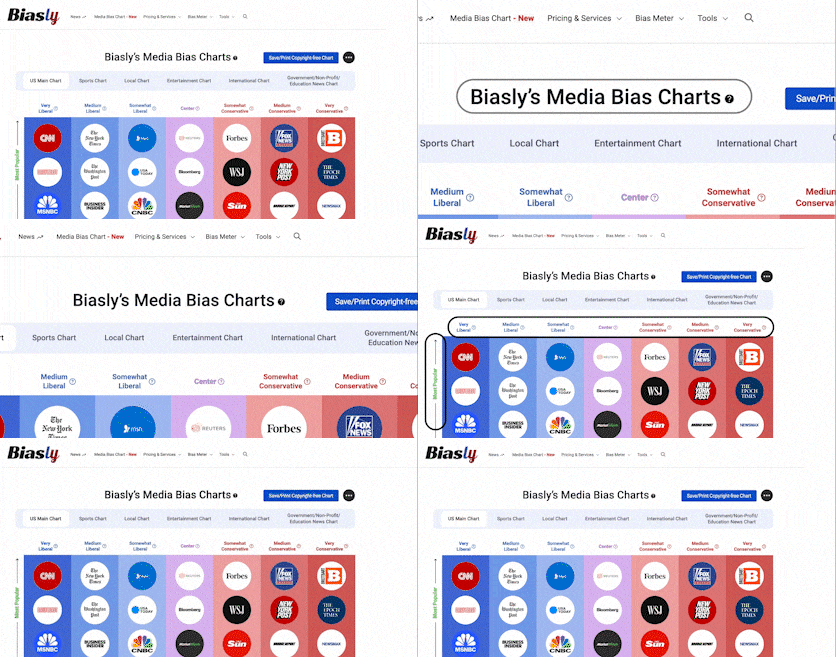
Biasly determines media bias ratings through a dual-layered approach combining artificial intelligence and analyst review. The platform’s proprietary bias detection engine, Bias Meter, evaluates sentiment, policy position alignment, and language framing across thousands of data points in news articles. Analysts then verify and interpret the AI’s findings, providing additional context where needed. Learn more about ratings
- Profile
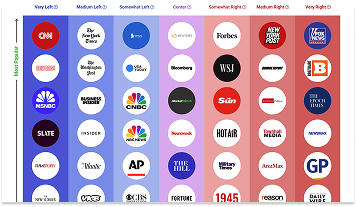
Armstrong Economics on the media bias chart
- Bias Rating
30% Somewhat Right
- Reliability37% Reliable AveragePolicy Leanings
46% Medium Right
Extremely
LiberalVery
LiberalModerately
LiberalSomewhat Liberal
Center
Somewhat Conservative
Moderately
ConservativeVery
ConservativeExtremely
Conservative-100%
Liberal100%
Conservative
Average Reliability
*Our bias meter rating uses data science including sentiment analysis, machine learning and our proprietary algorithm for determining biases in news articles. Bias scores are on a scale of -100% to 100% with higher negative scores being more liberal and higher positive scores being more conservative and 0% being neutral. The rating is an independent analysis and is not affiliated nor sponsored by the news source or any other organization.
Politician PortrayalN/A
Continue For Free
Create your free account to see the in-depth bias analytics and more.
By creating an account, you agree to our Terms and Privacy Policy, and subscribe to email updates.
Log In
Log in to your account to see the in-depth bias analytics and more.
Analysis of Armstrong Economics Articles
Analysis of Bias in Armstrong Economics Online Articles
To evaluate bias, we can analyze select Armstrong Economics articles through several of Biasly’s bias rating criteria: Tone, Tendency, Author, Diction, and Expediency Bias.
- Tone: The overall attitude conveyed by the article
- Diction: Specific word choices made by the writer
- Author: The background and social presence of the journalist
- Tendency: Patterns of bias in the writer’s broader body of work
- Expediency Bias: Quick visual or textual indicators like headlines and photos that imply bias

Source: Armstrong Economics
Even though neither the headline nor the cover photo shows signs of bias, by using words like “invaded” and “invader”, the article attempts to frame immigrants as hostile forces intruding into America. This unfavorable word choice towards immigrants signifies a conservative bias.
An example of an article that shows bias through diction is “Trump’s Deportation Efforts”:
“President Donald Trump inherited a nation that was invaded. The invaders were incentivized to stay and permitted to coast under the radar.”
@zach.sage MOST Zohran Mamdani supporters CHANGE THEIR MINDS after learning about his RADICAL policies and past in my bold new hidden camera social experiment 🤯 Which means there’s still hope we can save NYC if we get the TRUTH viral by November 4th 🇺🇸🗽 #mamdani #zohran #nyc #mayor #vote #socialism #capitalism #politics #newyork #newyorkcity ♬ original sound – Zach Sage Fox
An example of bias through tone is shown in the article “Mamdani – The Death of New York City”. The article consistently portrays Mamdani in a negative light, calling him “openly racist,” “anti-American,” and the “end of democracy”. Consistent usage of negative claims towards Mamdani signals a conservative bias. Furthermore, the headline, combined with a TikTok clip from conservative influencer Zach Sage as the cover photo, further suggests a conservative slant to the article.

Source: Armstrong Economics
An example of expediency bias can be seen in the article “When Ethnic Cleansing & Genocide Is Acceptable”. While the cover photo for the article is not provocative in itself, the headline is. Furthermore, the headline provides very little informational value. It does not report on a current event or what happened; therefore, it appears to be used primarily for its clickbait potential. The title seems to be ironic, therefore signalling a conservative bias, as conservative rhetoric tends to criticize liberals who use the word genocide in terms of the Israeli-Palestinian conflict.
The article itself is a criticism of Western media’s lack of coverage of the genocide that occurred in Ukraine and the Balkans during the 1940s, which in itself does not signal a conservative bias.
Another way to analyze bias is to examine an author’s social media to assess their personal views. While their personal views may not guarantee bias to be present in their professional work, it can provide a good idea as to the bias that may be present in their editorial standards. Here is a post from Martin Armstrong’s X page:
So glad I moved from New Jersey to Florida. No income tax, no stupid excessive regulations, pro-business. Will NEVER go back!
— Martin A. Armstrong (@ArmstrongEcon) October 1, 2025
By explicitly articulating his views on the leniency of economic regulations in Florida, Armstrong conveys a pro-business, conservative bias.
Another way to analyze bias is to examine the author’s previous articles. This also does not guarantee that the work you are analyzing is biased, but it can provide a rough indication. Here are the headlines of some of Armstrong’s past articles:
- “Clinton Proves the Democrats Lack Core Values”
- “Chicago Mayor Johnson Calls for Insurrection”
- “Democrats Wage War on ICE Agents”
The criticisms of the Democratic Party in these headlines may suggest that Armstrong exhibits a conservative bias.
Analysis of Armstrong Economics Opinion Articles
Armstrong Economics is posited as a blog, rather than a formal, reporting news site. This means that most of the articles on their website will combine personal opinion with factual reporting. Furthermore, there is no explicit opinion section on their website. Thus, readers should be aware of this and how this may affect bias in articles.
Analysis of Reliability in Armstrong Economics’s Online News Articles
Armstrong Economics aims to offer a “unique perspective intended to educate the general public and organizations on the underlying trends within the global economic and political environment.” However, readers should distinguish between news reporting and opinion pieces when evaluating credibility.
Quality of Sources and Facts Used
Armstrong Economics tends to focus on conservative sources, or not use sources at all. For example, here are the sources used in the article “Democrats Demand $5 Billion in Foreign Spending to Reopen Government”:
- Armstrong Economics, American blog owned by Martin Armstrong
Armstrong Economics is considered to be right-leaning. The lack of sources used in this article suggests low reliability. This is because it does not present other diverse perspectives that could corroborate or refute its perspective. Furthermore, by only including a right-leaning source, the article frames the issue from a conservative angle, rather than attempting to frame it objectively. Thus, the reader’s understanding of the issue is also narrowed to conform to the conservative perspective.
Another example of Armstrong Economics’s conservative bias is seen in the article “Another Shutdown Looming”. The article uses no sources, instead relying solely on Armstrong’s commentary. By not using any sources, the reader is not provided with any credible facts, which suggests this article may have low reliability. Furthermore, because Armstrong does not use any sources, the reader is not offered any counterpoints to Armstrong’s argument. Thus, the reader is presented with a narrow and subjective framing of the aftermath of the government shutdown.
Selection and Omission Bias
An example of omission bias can be seen in the article “A National Divorce”. Armstrong Economics omits any other perspective other than his own. For example, he references his “computer” model and his own special report (which must be paid for to be accessed) as evidence for his claims. This signals that Armstrong omits any liberal perspective to provide a balanced analysis of the issue of polarization in America. This signals a right-leaning bias.
An example of selection bias is found in the article “Appeals Court Revokes Temporary Protected Status for Migrants”. The article solely highlights Joe Biden’s immigration policy to criticize it:
“The entire intent of open border policies was to flood the nation with as many migrants as possible to alter elections, prop up the dollar, and replace the declining working class.”
By focusing solely on Biden’s immigration policy for criticism, the article exhibits a conservative bias. This is because the article is focusing on this one perspective to fit their own narrative that Democrats have bad immigration policies. Rather than attempting to frame the issue objectively by providing counterpoints to his own, Armstrong only selects parts of Biden’s immigration policy that he wants to criticize to fit the narrative that he wants to push. Furthermore, by selecting only the information he wishes to criticize, Armstrong omits counterpoints that may undermine the one-sided conservative narrative he seeks to convey.
Another example of omission bias is seen in the article “Newsom – Typical Democrat”. The article does not utilize any sources and is rather solely based on the personal views of the author. This suggests that, rather than conforming to editorial standards requiring objectivity and neutrality, Armstrong allows his personal biases and views to seep into the narrative. Furthermore, by omitting sources entirely, the author fails to provide a reliable depiction of the issue. Instead of a factual recounting of Newsom, the reader receives a description of Newsom filtered through Armstrong’s personal beliefs and biases.
Armstrong Economics Bias Overview
Armstrong Economics is a blog that was founded by Martin Armstrong. Its content generally focuses on economic trends and American politics. Armstrong is trained in economics and has diverse experience in both the private and public sectors. Armstrong was convicted of investment fraud in 1999 and served 11 years in prison.
This article delves into Armstrong Economics’s editorial tendencies to explore whether political bias is present and, if so, to what degree.
Is Armstrong Economics Biased?
Based on Biasly’s evaluations, Armstrong Economics is rated as Somewhat Right.
By examining content patterns and the broader context of media influence, we aim to offer a balanced perspective on Armstrong Economics’s political bias—and contribute to the ongoing discussion about bias in the news.
How Does Biasly Rate News Sources?
Biasly uses proprietary algorithms and a team of analysts to provide comprehensive bias evaluations across thousands of news outlets. Over 200,000 articles from more than 3,200 sources have been analyzed to identify the most accurate and unbiased stories.
Biasly assigns each outlet three key scores:
- Reliability Score – Reflects factual accuracy
- AI Bias Score – Generated via natural language processing
- Analyst Bias Score – Assessed by human political analysts
These scores are based on seven core metrics: Tone, Tendency, Diction, Author Check, Selection/Omission, Expediency Bias, and Accuracy. These elements help analysts and algorithms evaluate the political attitude conveyed by each article.
Biasly’s Bias Meter ranges from -100% (most left) to +100% (most right), with 0% indicating neutrality. The system evaluates individual articles based on political terms, policies, figures, and sentiment to calculate precise bias ratings.
Is Armstrong Economics Politically Biased?
Armstrong Economics earns a Somewhat Right rating for its AI Bias Score and a Somewhat Right for its Analyst Bias Score. The Analyst Bias Score is generated by reviewers from liberal, moderate, and conservative backgrounds. Analysts reviewed multiple Armstrong Economics articles and noted preferences for conservative policies and politicians. They rarely attempted to frame issues from a neutral or non-partisan perspective.
For example, their portrayal of elections, specifically the New York Mayoral elections, tended to convey a conservative bias through their critical tone towards Zohran Mamdani. This criticism suggests that the author is not attempting to remain objective, but skew the reader’s perception of the election in favor of the conservative perspective.
This Bias score is determined through natural language processing that evaluates the tone, word choice, and opinion embedded in the reporting. Recent AI evaluations highlight right-leaning narratives in articles discussing the Republican Party and environmental issues.
How to Evaluate Bias
Although Biasly rates Armstrong Economics as Somewhat Right, it’s important to remember that bias can vary from article to article. Armstrong Economics also covers a conservative-leaning state with objectivity on many issues, from state legislation to social developments. This complexity underscores the importance of examining each article individually. So, let’s learn how to evaluate media bias.
Recognizing media bias requires awareness and critical thinking. Often, readers trust news sources that affirm their existing beliefs—a psychological tendency known as confirmation bias. This makes it harder to identify slanted narratives or one-sided reporting.
To combat this, it’s essential to challenge your assumptions by consulting multiple viewpoints and verifying news through third-party analysis. Tools like Biasly’s media bias ratings allow readers to compare the same news story across the political spectrum.
Ultimately, bias isn’t always a matter of what is said—it’s also about what is left out, how topics are framed, and which stories are chosen for coverage. Learning to recognize these patterns can help readers make more informed decisions and develop greater media literacy.
To start comparing news outlets and gain a better understanding of bias, sign up for Biasly’s Media Bias & News Analytics Platform to see how stories vary between sources.
Armstrong Economics Reliability Overview
Is Armstrong Economics Reliable?
Armstrong Economics is an unreliable source, as most of its claims are personal views that are not corroborated by other sources. When sources are used, they tend to be from other conservative perspectives. Furthermore, the fact that all of Armstrong Economics’s articles are written by one person further suggests that the reliability of the blog is questionable. Without other authors or editors, Armstrong is free to publish what he wants, regardless of whether what he publishes is subject to a standard of reliability and fact-checking.
At Biasly, we specialize in evaluating not just bias but also the reliability of media outlets. Let’s explore the accuracy and trustworthiness of Armstrong Economics.
How to Evaluate Reliability?
Reliability refers to how trustworthy or accurate a news source is. If we can’t trust what we read, then continuing to consume content from that outlet serves little purpose. So how do we evaluate a news outlet’s reliability?
There are several potential measures of reliability to look out for when trying to determine whether a media source is reliable or not. Red flags for an unreliable article can include the presence of wild, unsubstantiated claims, facts dependent on other unreliable sources, heavy use of opinionated language, and more. In contrast, hallmarks of a reliable source include:
- Absence of subjective language
- Citing credible sources (e.g., .gov, .edu, academic references)
- Verifiable facts and statistics from multiple outlets
- Use of primary sources, like interviews or transcripts
- Consistency with coverage across other platforms
Biasly’s reliability scores incorporate these elements in evaluating media outlets.
So How Does Armstrong Economics Fare in Its Reliability?
The political reliability index developed by Biasly assesses both accuracy and trustworthiness. Armstrong Economics currently holds Average Reliability Score, which is calculated as a weighted average of:
- Fact Analysis Score – Evaluates the accuracy of claims, facts, and evidence.
- Source Analysis Score – Assesses the number, diversity, and credibility of sources and quotes used.
Armstrong Economics’s Source Analysis Score is Average at 37% Reliable.
The Fact Analysis Score is yet to be finalized. This score will further determine how well Armstrong Economics supports its claims, addresses selection and omission bias, and presents verifiable evidence. Until this is available, readers are encouraged to perform their own evaluations using Biasly’s media bias tools.
Armstrong Economics’s Accuracy and Reliability
According to Biasly’s analysis, Armstrong Economics maintains Average Reliability Score, but individual articles may vary significantly. Let’s dive into the details.
Two common types of bias that affect factuality include:
- Selection Bias – Highlighting or omitting stories to fit a particular narrative.
- Omission Bias – Leaving out differing perspectives or relevant details to skew perception.
Biasly’s accuracy ratings use a scale from 1% (least accurate) to 100% (most accurate). Factors include the presence of supporting evidence, internal and external reliable sources, and balanced viewpoints.
So, Is Armstrong Economics Reliable?
Overall, Armstrong Economics can be considered to be an outlet that is moderately reliable.
As media literacy improves, readers can more easily detect issues with selection bias, omission bias, and factuality. To strengthen your ability to assess reliability across the political spectrum, use the News Bias Checker to compare how multiple outlets report the same story.
This empowers you to consume more accurate, balanced, and dependable news.
Armstrong Economics Editorial Patterns
Armstrong Economics’s coverage of political topics often reflects a Somewhat Right bias, with consistent patterns in phrasing, source selection, and thematic focus that are Slightly Conservative. While the publication demonstrates journalistic standards in many of its reports, the choice of issues, framing, and word usage can indicate a political slant. This content analysis examines how Armstrong Economics handles liberal and conservative issues and evaluates its language choices and editorial tendencies.
Coverage of Liberal vs. Conservative Topics
When covering issues like tariffs, immigration, and the war in Ukraine, Armstrong Economics tends to adopt language that favors conservative perspectives. For example, here is an excerpt from an article speaking about political violence:
“No one ever tells a conservative to ‘tone it down’ around a group of liberals. Conservatives have been unable to express their opinions for fear of violence.”
Through the phrase “tone it down,” the author portrays conservatives as inherently reasonable. Additionally, the author frames conservatives as being marginalized and oppressed, signaling a sympathy for conservative policy views.
On the other hand, democratic perspectives are framed negatively. An example of this can be seen in the article “Obama Mounts High Horse to Debate Kirk’s Assassination”:
“Barack Obama will never miss an opportunity to juxtapose himself with Donald Trump as the pious president who preached peace. In reality, the extreme political divide of right vs left began under Obama as he used divisive politics to split the nation into “us” vs “them.”
Obama is portrayed as the cause of all of our political problems, as he is framed as being the cause of political polarization.
Policy and Issue Framing
When covering the U.S. government, Armstrong Economics uses language to convey a conservative bias. They tend to present Trump’s policies in a supportive tone rather than to portray the issue neutrally.
This conservative bias is also present in Armstrong Economics’s portrayal of the government shutdown. Rather than the shutdown being portrayed as requiring compromise by both parties, Democrats are seen as the sole culprits. This signals a conservative slant.
Coverage and Relevance
Armstrong Economics’s reporting often touches on key issues like government spending and foreign policy, which are central to the media’s political bias discussion. Regardless of the issue they address, they tend to adopt a conservative stance. As such, it serves as a compelling case study for examining source bias and news media bias in state-focused reporting.
Readers who wish to further explore how Armstrong Economics compares with other publications can visit Biasly’s Media Bias Chart to analyze tone and word choice in real time.
Funding and Ownership
Who Owns Armstrong Economics?
Armstrong Economics is a blog owned by Martin Armstrong, in which he is the sole author. While Armstrong does not receive any revenue from the blog itself, the blog does market some of Armstrong’s paid services, like special reports and predictive models. Because the blog is not a source of revenue for Armstrong, this may suggest that Armstrong has free rein over the editorial standards and contents of his articles.
Who Funds Armstrong Economics?
Although the blog itself does not generate direct revenue, Armstrong Economics functions as a promotional vehicle for Martin Armstrong’s broader commercial ecosystem, including paid research reports, proprietary economic models, forecasting tools, and private consulting services. These offerings are marketed prominently on the site and constitute the primary financial mechanism supporting the platform. Because the blog helps drive interest in Armstrong’s paid products, its content may be shaped, intentionally or not, to reinforce the credibility and desirability of his economic forecasting system.
This funding structure introduces a potential conflict of interest: articles may emphasize narratives, predictions, or interpretations that align with Armstrong’s commercial brand, rather than presenting balanced or empirically verified economic perspectives. While this does not necessarily undermine the factual basis of the commentary, readers should be aware that the blog’s incentive structure is tied to promoting Armstrong’s analytical framework, which may influence topic selection, tone, and the portrayal of competing economic viewpoints.
Additional Insights
News Source Comparison
In news source comparisons, Armstrong Economics is often evaluated alongside other regional and national outlets that lean right or far-right. Sources such as Fox News, The Federalist, and The Daily Mail Online often share similar tones and editorial philosophies.
This places it in contrast to media outlets that consistently present balanced narratives. Readers seeking balanced political coverage may compare Armstrong Economics’s framing of issues with outlets rated as Center or Lean left on our Media Bias Chart, or explore other regional papers on our Similar Sources page.
Notable Contributors and Authors
Every article reviewed in this analysis is credited to Martin Arsmtrong, implying he could be the source’s only writer. Armstrong’s personal right-wing bias tends to be present in the articles that he writes.
Related Tools and Resource Pages
To better understand how Armstrong Economics fits into the broader media landscape, we recommend exploring these helpful resources:
- Media Bias Chart: See where Armstrong Economics ranks among hundreds of media outlets across the political spectrum.
- Political Bias Chart: Visualize political slants of news sources across various policy areas.
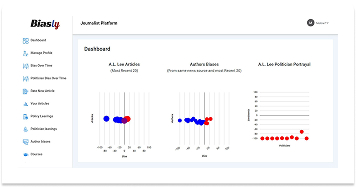
- Journalist Bias Analytics Platform: Explore how individual journalists contribute to bias within their publications.
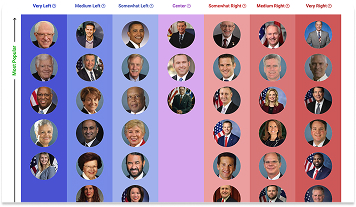
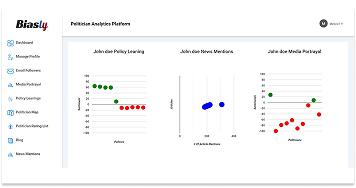
- Politician Bias Analytics Platform: Compare how politicians are framed differently by Armstrong Economics and other outlets.
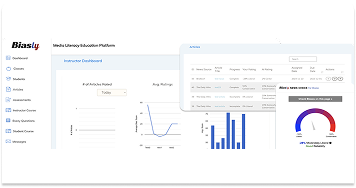
- Media Literacy Education Platform: Learn how to critically assess media sources, bias techniques, and news reliability.
Frequently Asked Questions
Armstrong Economics is rated as Somewhat Right based on Biasly’s media bias algorithm, which assesses sentiment, article framing, and policy favorability.
Yes, Armstrong Economics and its founder, Martin A. Armstrong, have faced criticism regarding the accuracy of certain claims, particularly those concerning economics, global conspiracies, and political forecasting. Armstrong’s own legal history, including his conviction for fraud in 2007 as documented in U.S. court records, has led some observers to question the reliability of his economic commentary.
Biasly uses a combination of AI sentiment analysis and human analyst review to assess tone, fact accuracy, source quality, and media bias indicators. Learn more on our Bias Meter page.
No. Armstrong Economics does not uphold fact-based journalism and consistently shows partisan framing and selective reporting issues.
Military Spending
| Date | Sentiment | Associated Article | Snippet |
|---|---|---|---|
| 08/25/2019 | 75% For | Trump Family Detentions Flores Agreement (link) | So, of course, the Trump administration is doing the opposite in a baldfaced |