




-54% Medium Left
Bias Meter
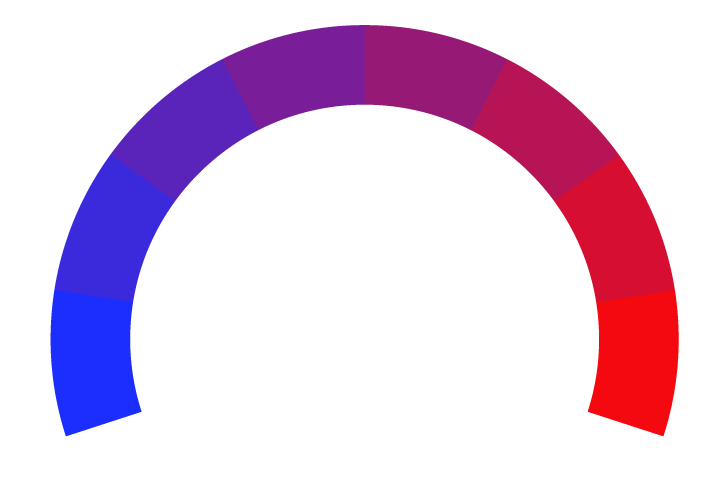
Extremely
Liberal
Very
Liberal
Somewhat Liberal
Center
Somewhat Conservative
Very
Conservative
Extremely
Conservative
-100%
Liberal
100%
Conservative
Biasly determines media bias ratings through a dual-layered approach combining artificial intelligence and analyst review. The platform’s proprietary bias detection engine, Bias Meter, evaluates sentiment, policy position alignment, and language framing across thousands of data points in news articles. Analysts then verify and interpret the AI’s findings, providing additional context where needed. Learn more about ratings
- Profile
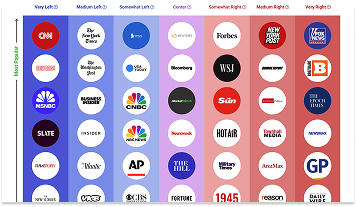
BuzzFeed News on the media bias chart
- Bias Rating
-54% Medium Left
- Reliability79% Reliable GoodPolicy Leanings
12% Somewhat Right
Extremely
LiberalVery
LiberalModerately
LiberalSomewhat Liberal
Center
Somewhat Conservative
Moderately
ConservativeVery
ConservativeExtremely
Conservative-100%
Liberal100%
Conservative
Average Reliability
*Our bias meter rating uses data science including sentiment analysis, machine learning and our proprietary algorithm for determining biases in news articles. Bias scores are on a scale of -100% to 100% with higher negative scores being more liberal and higher positive scores being more conservative and 0% being neutral. The rating is an independent analysis and is not affiliated nor sponsored by the news source or any other organization.
Politician Portrayal56% positive
Continue For Free
Create your free account to see the in-depth bias analytics and more.
By creating an account, you agree to our Terms and Privacy Policy, and subscribe to email updates.
Log In
Log in to your account to see the in-depth bias analytics and more.
Analysis of BuzzFeed News Articles
Analysis of Bias in BuzzFeed News Online Articles
According to DMR, BuzzFeed News primarily consists of a millennial-based audience at 60%, and 50% of their age range is also made up of users between the ages of 18 and 34. Additionally, Similarweb says, “BuzzFeed News’s audience is 43.10% male and 56.90% female. The largest age group of visitors is 25 – 34-year-olds (Desktop).” What we can take away from this is that most of the demographic that visits BuzzFeed News comes from people who have more trust in the news and are younger. According to Pew Research Center, those with liberal views (like the audience at BuzzFeed News) typically express more trust than distrust of 28 of the 36 news outlets in the survey. NPR, PBS, and the BBC are the most trusted news sources for consistent liberals.”
Given the curiosity and relatedness that the younger generations have to today’s events, can they show bias? Do the readers contribute to the writer’s going down a slippery slope of bias as they get fewer or more views? We shall examine more closely the articles of BuzzFeed News to discover the clear signs of bias in writing today.
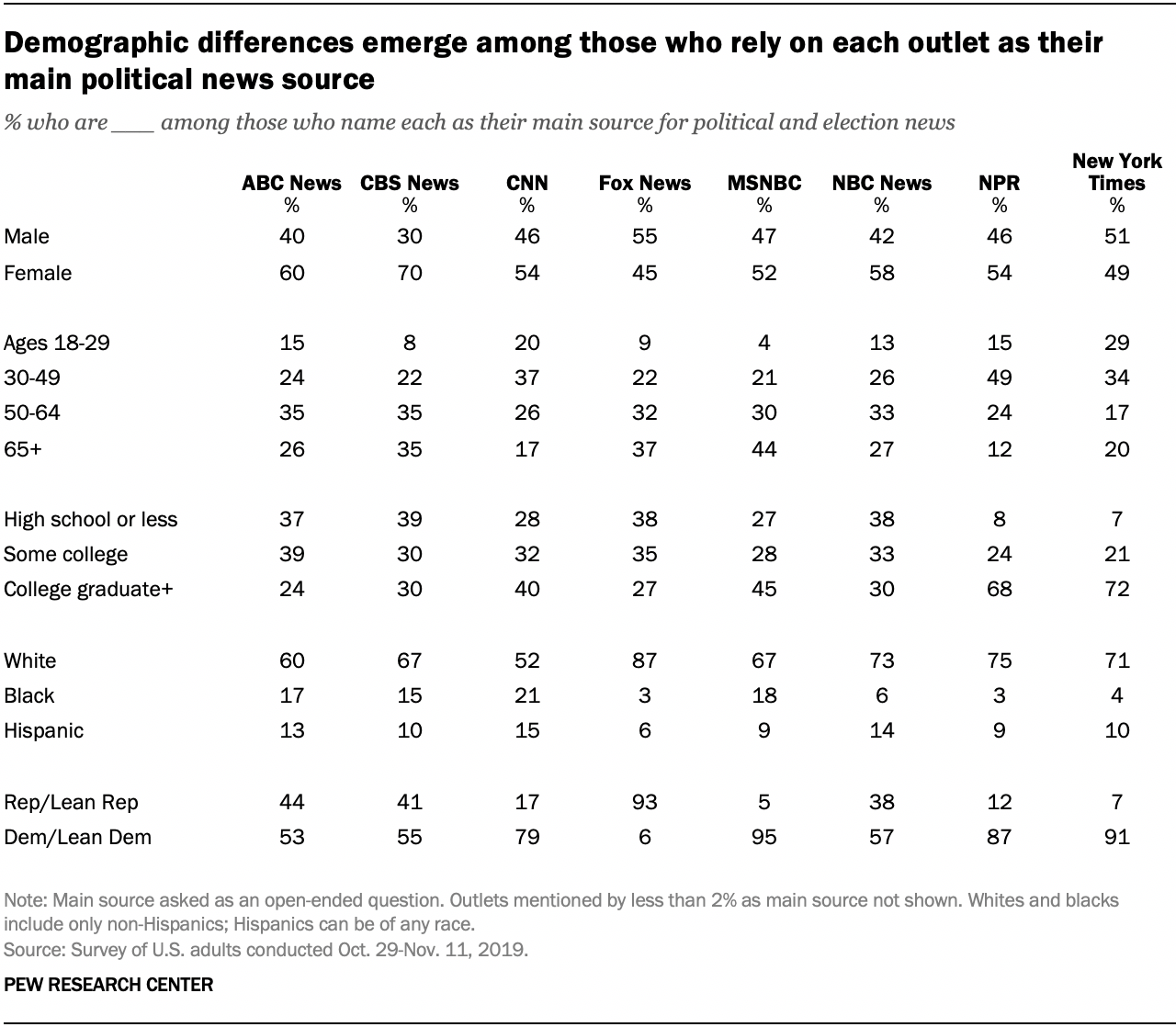
Source: Pew Research Center
When we analyze articles on bias, it is important to look at these five factors: Tone, Tendency, Author, Diction, and expedience bias. The tone is the attitude with which the article has been written, and the tendency is to find out how often that tone is used throughout the article. We can look at the author and determine their opinion and stance on issues based on past articles.
We can look at the author’s choice of words to help us determine their bias as well; this is known as their diction. Lastly, we can more closely examine how quickly the article is released after an incident occurs to see what kind of bias is going to be present in the article through the author wanting to rush through the writing process to release their work before competitors.
The first article we are going to dive into is “The First Capitol Rioter Was Sentenced And Won’t Get Any Jail Time.” Biasly has rated this article at Medium Left on the bias meter. The reason for this rating is that the tone the author gives portrays a liberal perspective consistently throughout the article. One of the few things that helps keep this article from being Extremely Left is its diction, where the author chooses to use mild political-leaning words and phrases throughout their article.
An example of this article’s tone and diction shows its stance on the political spectrum. This article’s author, Zoe Tillman, says:
“Anna Morgan-Lloyd’s sentence sets a benchmark for the hundreds of people charged with low-level misdemeanors for participating in the Jan. 6 insurrection.”
Her use of the word insurrection shows some liberal bias, and the statement about the benchmark for prosecutions suggests that all of these protesters are going to get off with light sentences. The author espoused a liberal tone that stays consistent throughout her article, with unique words that suggest a left political affiliation. However, her diction throughout the article stays mostly mild but clear to her viewpoint.
The author, Zoe Tillman, often writes left-leaning, liberal articles. Some of her articles include “The Far-Right Troll Known As “Baked Alaska” Just Blew Up His Own Jan. 6 Plea Hearing” and “Prosecutors Escalated The Stakes For Proud Boys Leaders In The Latest Jan. 6 Seditious Conspiracy Indictment.” Tillman clearly and consistently posts articles with headlines that force the reader to make left-leaning assumptions about the topics she writes on.
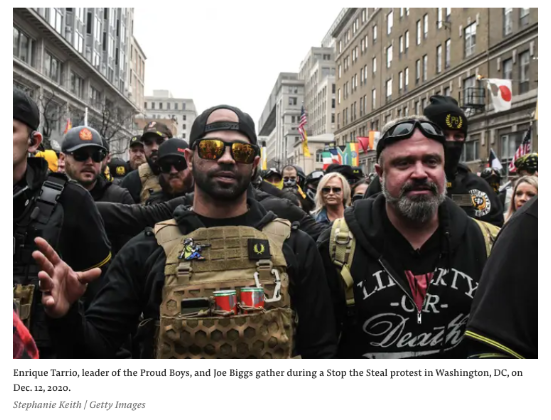
Source: Buzzfeed.News

Source: Buzzfeed.News
In the “Baked Alaska” story, she uses an image of Gionet on a phone inside the Congressional House, portraying him as guilty, and leading the reader to assume the same. In the “Proud Boys” article, Tillman uses heavy-handed language like “Seditious” and “Escalated the Stakes” in her title to force the reader to assume the Proud Boys. Furthermore, she uses a photo of the Proud Boys leader walking down the street in his body armor during a protest to make us assume that the Proud Boys leader is guilty.
In both articles, Tillman decides to release her story as the events happen on those days. You will see when looking at the story that she initially posts her story about the Proud Boys at 3:35 p.m. and then later updates it at 5:29 p.m. In her other article about “Baked Alaska”, she posts the story at 12:22 p.m., and this shows that she is choosing to release her stories earlier, knowing that they will be less accurate and more biased. This is a form of expediency bias where the author chooses to act quickly rather than to take the time to receive clarity and understanding about what she is writing.
To conclude our investigation into the media bias that Tillman portrays, we discover that she has a liberal bias. Regardless of the story she writes, Tillman makes it clear that only the left is correct and that no other opinions could be true. This is why it is important to pick apart articles from any news organization and to examine the bias they contain by looking for the tone, tendency, author, diction, omission, and expediency bias.
Next, we will take a look at an article from Buzzfeed that shows no bias and is rated as zero on the Biasly Meter. This article is titled “Rudy Giuliani Has Been Suspended From Practicing Law In New York,” and the rating for this article is centric because the tone and tendency do not change as it is very matter-of-fact. Further, the article sticks to the truth without many opinions added in as fluff from the author. This article is objective and does not have any extreme language from either side of the political spectrum. The article discusses the suspension of Rudy Giuliani and states that:
“His suspension from the New York State Bar is effective immediately, and it is indefinite, “pending further proceedings before the Attorney Grievance Committee,” and “Giuliani will have 20 days to submit a request for a post-suspension hearing.”
As a trustworthy and objective source of information, the Buzzfeed article, “Rudy Giuliani Has Been Suspended From Practicing Law In New York,” stands out. The article keeps a centered tone throughout and presents the data in an unbiased and factual way, earning a score of zero on the Biasly Meter policy leanings. It avoids adding pointless views or excessive words from any political perspective.
Although the author briefly expresses some mildly left-leaning opinions, the story is objective and thorough, covering all relevant facts. This article offers a fair assessment of the circumstances by outlining Giuliani’s immediate suspension from the New York State Bar and the ongoing procedures before the Attorney Grievance Committee.
Analysis of BuzzFeed News Opinion Articles
Before we get into and pick apart BuzzFeed News’s opinion pieces, we need to first learn about the difference between reporting and giving an opinion. Opinions provide a platform for columnists to express their individual views on the hot-button views and issues of the day. Whereas reporting is meant to be objective, providing the reader with information and quotes from primary sources to enable them to create their own opinion. Although the investigation we did above had some factual reporting, the BuzzFeed News opinion columns and articles stress expressing their own opinions over seeking neutrality.
Think about the editorial, “Dangers Lurk Aboard Cruise Ships. The Cruise Passenger Protection Act Can Help.” This title and article include bias because they contain strong wording that implies a bad opinion or judgment about the security of cruise ships. Specifically, the words “Dangers” and “Lurk” indicate that all cruise ships are unsafe and are always just around the corner. The title also implies that the only way to help stop this is through the “Cruise Passenger Protection Act,” which the author of the article, Sen. Richard Blumenthal, proposed to Congress. This is left-leaning because it asks for taxpayer money to be provided to support and increase the security on cruise ships. The author does not seem to be trying to offer a balanced and impartial account of the facts, but rather that only his proposed bill can help, and that we need to support the bill.
However, the article, “Here’s What You Need To Know About The Dominion V. Fox News Trial That Starts This Week,” has a more neutral title that emphasizes educating the reader rather than advancing an agenda. Neutral language and data from reliable sources are indicators of an unbiased article. It is fair to predict that this article will be more impartial than the one before it based solely on its title.
These articles, along with those mentioned above, are only a fraction of BuzzFeed News’s overall content, but they show that the publication frequently features a lot of opinions, emphasizing the significance of understanding how to differentiate opinion writing from accurate reporting. It is also important to understand the difference between reporting and opinion pieces. Accurate reporting provides sources from both sides of an issue with neutral language and unbiased commentary from the reporter. However, opinion pieces are stories written to express the writer’s opinion on the subject matter, which is acceptable as long as the authors do not mislead their readers.
Analysis of Reliability in BuzzFeed News’s Online News Articles
A full page at Biasly’s website includes dependability and accuracy ratings for newly released BuzzFeed News news stories. As we previously stated, according to the reports, analytics have assessed that BuzzFeed News is generally 84% reliable. This score can vary from article to article, though, and the most extreme variations in dependability are caused by bias, notably omission and selection bias. Consider also American Military News, which has a medium-right bias and is only “Good” reliability according to Biasly. For example, they had one article that was “Excellent” reliability titled, “U.S. Marine Corps account attacks Fox’s Tucker Carlson on Twitter, then deletes it, apologizes,” and another article called, “Op-ed: Guns, Politics, and Media Influence,” that is only “Fair” reliability. As a result, stories displaying political leanings are less reliable than neutral ones.
For instance, this BuzzFeed News article titled, “The Number Of Immigrants Jailed By ICE Has Ballooned Under Biden This Year” is rated at Somewhat Right but close to the center. Concerning the selection and omission bias, the author Hamed Aleaziz does a good job of getting a source who is crossing the border. However, Aleaziz fails to interview a border guard for his opinion on what is happening. His source, Mauricio, a 28-year-old from El Salvador, says in his interview:
“This is incredibly difficult — I’m just really on the edge of collapse,” he told BuzzFeed News News through a translator. “There’s been no change in the system in favor of immigrants.”
This article portrays a somewhat conservative stance, mostly due to portraying Biden as doing a poor job with immigration, which goes against the grain of many of BuzzFeed News’s stories. However, Aleaziz fails to balance his sources and commentary while reporting on this challenging subject matter. If Aleaziz had included someone who works on the border and not just an immigrant, he could provide a more holistic view of the issue. Therefore, this article can be considered mostly reliable.
We will take a closer look at more examples like this below, providing a further investigation into the reliability of BuzzFeed News’s articles. This will include its use of selection bias, omission bias, and the quality of its sources and facts used.
Quality of Sources and Facts Used
BuzzFeed News can be good at using reliable sources from both sides of the ideological divide and citing facts as evidence; however, this is not the case for every article. For instance, think about “Biden’s $2 Trillion Infrastructure Plan Is No Green New Deal, Progressives Said.” In this article, Zahra Hirji and Ryan Brooks only used 12 quotes. Of those 12 quotes, six are short, four are medium-length, and two are long quotes.
In addition to that, the author’s sources for the article were as follows:
- Congressional Progressive Caucus Rep. Pramila Jayapal
- Ellen Sciale, spokesperson for the youth climate group, Sunrise Movement
- A White House fact sheet
- Maurice Mitchell, director for the Working Families Party
- An unidentified aide to a progressive senator
- One senior administration official who requested to be unnamed
- A senior Biden official who also asked to be unnamed
Overall, the quality of the sources seems to be okay, but the biggest problem is that many of them are unnamed, and the weight of their quotes diminishes because of that. Furthermore, most of their quotes are optimistic opinions from their sources and are not as much about statistical facts. The article is accurate to the event overall, but leaves out the contested aspects of the plan. To give them credit, the article is indeed liberal but not excessively so. Still, they consistently tend to lean towards the left when writing it, giving average quality sources and a lack of holistic facts to the article.
The writers Zahra Hirji and Ryan Brooks continually use left sources only, like Rep. Pramilla Jayapal, an unidentified aide to a senator, and Ellen Sciales, a spokesperson for the youth climate group Sunrise Movement. The authors also paraphrase a lot and leave out key pieces of information to direct the readers’ thoughts. The evidence, then, points this article to being committed liberal-leaning and is not a trustworthy source for information on Biden’s plan.
The article from above, “President Trump Directed His Attorney Michael Cohen To Lie To Congress About The Moscow Tower Project,” is an example of misinformation, as the story was expedited to beat competitors and erroneously reported on the incident. The article was mostly incorrect, and they used inaccurate sources. For example, they used a source known as “individual 1” and stated in their article, “widely understood to be Trump,” which shows that they were making an assumption about a source and used it as fact. In truth, not even the statements were correct.
Selection and Omission Bias
In a more extreme example from BuzzFeed News, we can see an author portray approval of the selection committee to the Jan. 6 protest in Washington D.C., even though she tries to be objective. The article, “A House Select Committee Will Officially Investigate The Jan. 6 Insurrection” by Kadia Goba, tends to focus on the contributions of Democrats in the area investigating the attack on the Capitol, but limits the mention of Republicans helping out. Furthermore, only one of her quotes comes from a Republican; the rest are left-wing. The total number of quotes from her article is only four, with two being short quotes, one being long, and one medium-length quote. Here we see the quote used from the Republican source, Rep. Beth Van Duyne of Texas:
“It’s [the debate] a distraction meant to mask humanitarian failures at the border, massive spikes and crime in cities across the country, and absolute inept leadership in confronting our foreign adversaries.”
In the quote from Rep. Jim McGovern, a Democrat, we hear his opinion on the debate:
“To them, I apologize, they [the officers who were present at the Jan. 6 protest] have to hear this debate.”
Throughout the article, Goba makes use of extreme language that disparages Republicans. The author omits the fact that sensible Democrats and Republicans worked together to stop the protest at the Capitol. Instead, she only focuses on Democrats bringing aid to the officers who were protecting the Capitol from the protestors. Goba even goes so far as to use the title and images to provide a left-leaning opinion on the events that happened on Jan. 6.
In the article we discussed earlier, “Biden’s $2 Trillion Infrastructure Plan Is No Green New Deal, Progressives Said,” the authors omit any comments from the GOP or Democratic party opposition, and they frame the title to the ideologies of the left. They refuse to account for others’ perspectives and try to portray the issue from only one point of view, instead of a fact-based point of view, reducing their reliability.
Additionally, none of the sources that the authors used had opposite leanings; they were all Democrats. In this quote by Ellen Sciales, “I think it’s a step towards our vision of a Green New Deal,” we see how the author frames the Biden deal as a good thing without contradicting opinions. By omitting contradictory points of view, the authors reduce the reliability of their article, making stories like these sound like opinion pieces.
In opinion pieces, issues with factuality, sources, selection, and omission are frequently present. The articles we’ve covered so far are mostly biased and exclude adequate relevant background and information that may contradict the author’s position. As a news organization with a liberal slant, BuzzFeed News has a small incentive to continue appealing to liberal viewpoints to maintain the interests of its sizable left-wing readership. But now that we’ve enumerated typical trustworthiness indications, you may stay current by keeping yourself informed on the most accurate news.
BuzzFeed News Bias Overview
BuzzFeed News’s birth started in 2006 when they chose to dedicate themselves to providing “trusted, quality, brand-safe news, and entertainment to hundreds of millions of people.” (BuzzFeed News, 2023) Their goals were, “making content on the Internet more inclusive, empathetic, and creative; and inspiring our audience to live better lives.”(BuzzFeed News, 2023) BuzzFeed News has risen to the 22nd position in their category, and the 195th best-ranked news source in the U.S. They also total 97.3 million visits to their website each month, but what kind of quality are they providing to their audience base?
Since 2006, BuzzFeed News has garnered a reputation for its investigative journalism. However, how likely is a news organization like BuzzFeed News going to have a bias in its articles? For such an acclaimed news organization, we must investigate to find the hidden truth in the articles published by BuzzFeed News.
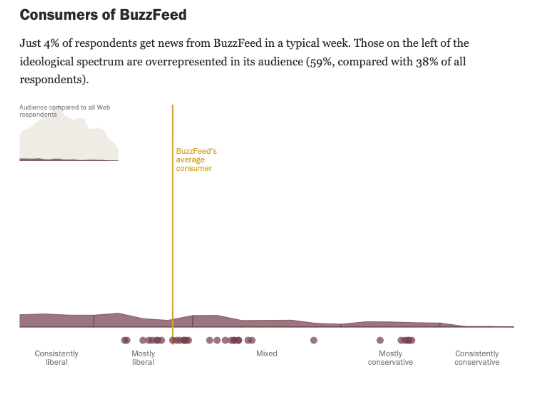
Source: Pew Research
In this article, we are going to investigate the bias of BuzzFeed News articles and their editorial choices to find out if they have a perceptible political bias in their work. Our investigation should provide a definitive answer as to whether BuzzFeed News is aligning to one side of the political spectrum and reveal the answers to the contributions of media bias to the public.
Is BuzzFeed News Biased?
Based on Biasly’s evaluations, BuzzFeed News is rated as Medium Left.
By examining content patterns and the broader context of media influence, we aim to offer a balanced perspective on BuzzFeed News’s political bias—and contribute to the ongoing discussion about bias in the news.
How Does Biasly Rate News Sources?
Biasly uses proprietary algorithms and a team of analysts to provide comprehensive bias evaluations across thousands of news outlets. Over 200,000 articles from more than 3,200 sources have been analyzed to identify the most accurate and unbiased stories.
Biasly assigns each outlet three key scores:
- Reliability Score – Reflects factual accuracy
- AI Bias Score – Generated via natural language processing
- Analyst Bias Score – Assessed by human political analysts
These scores are based on seven core metrics: Tone, Tendency, Diction, Author Check, Selection/Omission, Expediency Bias, and Accuracy. These elements help analysts and algorithms evaluate the political attitude conveyed by each article.
Biasly’s Bias Meter ranges from -100% (most left) to +100% (most right), with 0% indicating neutrality. The system evaluates individual articles based on political terms, policies, figures, and sentiment to calculate precise bias ratings.
Is BuzzFeed News Politically Biased?
BuzzFeed News earns a Medium Left rating for its AI Bias Score and a Somewhat Left for its Analyst Bias Score. The Analyst Bias Score is generated by reviewers from liberal, moderate, and conservative backgrounds. Analysts reviewed many BuzzFeed News articles and noted substantial criticisms and mocking of Republican politicians.
BuzzFeed News has faced much criticism in the last few months as its chief executive, Jonah Peretti, claims that BuzzFeed News may be shut down. They have reduced their workforce by 15% and have decided to acquire Huffpost, making that their main arm for political news. As of 2026, they continue to operate the Buzzfeed website, with the company focusing on quizzes, listicles, and pop culture content designed for social sharing. According to John Peretti, in his CNN interview:
“Moving forward, we will have a single news brand in HuffPost, which is profitable, with a loyal direct front page audience.”
This leads us to wonder if this ‘loyal audience’ is going to drive the political direction of BuzzFeed News and its writers as they prepare to become absorbed.
Biasly’s A.I. media rating for BuzzFeed News is considered Very Left on the political scale. This means that BuzzFeed News provides political coverage from an American liberal’s perspective of the news. They [BuzzFeed News] typically praise left-wing politicians, policies, and agendas, while disparaging Republican and right-leaning ideologies. They have a strong dislike of anything right of the center line in politics. Biasly’s score aligns closely with many third-party, non-biased research agencies, including MBFC, which have determined BuzzFeed News’s political bias to also be Left-leaning.
According to a Pew Research Study, 59% of BuzzFeed News’s audience is liberal, so BuzzFeed News has an incentive to favor their opinions. That is why BuzzFeed News and their CEO, John Peretti, have continually shut down articles about former President Trump due to Trump’s “offensive” dialogue. For the rest of this article, we will look into the ability to discern bias in articles and how you can filter out opinion from fact. We will help you become a better and more informed reader of political news.
Before we begin, we need to discuss bias. Bias is a natural function of humans, and we can express it both consciously and unconsciously. Bias is one of the most fundamental forms of pattern recognition in humans. This isn’t to lower the bar and say that “all things are biased,” but to explain the process by which we may come to trust certain news organizations that display patterns of coverage.
On the media’s part, there is an incentive to retain audiences, encourage them to purchase subscriptions, and rate products positively. Bias is a two-way street; people want to see news stories about things they care about, and the media needs viewers to continue their operations. This creates a positive feedback loop that influences what stories are covered and from what perspective. This also explains the actions of more liberal news organizations.
How to Evaluate Bias
Although Biasly rates BuzzFeed News as Medium Left, it’s important to remember that bias can vary from article to article. BuzzFeed News also covers a conservative-leaning state with objectivity on many issues, from state legislation to social developments. This complexity underscores the importance of examining each article individually. So, let’s learn how to evaluate media bias.
Recognizing media bias requires awareness and critical thinking. Often, readers trust news sources that affirm their existing beliefs—a psychological tendency known as confirmation bias. This makes it harder to identify slanted narratives or one-sided reporting.
To combat this, it’s essential to challenge your assumptions by consulting multiple viewpoints and verifying news through third-party analysis. Tools like Biasly’s media bias ratings allow readers to compare the same news story across the political spectrum.
Ultimately, bias isn’t always a matter of what is said—it’s also about what is left out, how topics are framed, and which stories are chosen for coverage. Learning to recognize these patterns can help readers make more informed decisions and develop greater media literacy.
To start comparing news outlets and gain a better understanding of bias, sign up for Biasly’s Media Bias & News Analytics Platform to see how stories vary between sources.
BuzzFeed News Reliability Overview
Is BuzzFeed News Reliable?
It can be argued that BuzzFeed News is a semi-reliable news source with an adequate reputation for journalistic integrity, and some lone exceptions; therefore, the degree of truth in its publications fluctuates. The more you research media reliability and accuracy, the simpler it will be for you to spot problems with sources, selection, omission, and factuality. To help with this, you can use Biasly’s News Bias Checker to uncover reliability problems and assist you in finding the most accurate and dependable news.
How to Evaluate Reliability?
Reliability refers to how trustworthy or accurate a news source is. If we can’t trust what we read, then continuing to consume content from that outlet serves little purpose. So how do we evaluate a news outlet’s reliability?
There are several potential measures of reliability to look out for when trying to determine whether a media source is reliable or not. Red flags for an unreliable article can include the presence of wild, unsubstantiated claims, facts dependent on other unreliable sources, heavy use of opinionated language, and more. In contrast, hallmarks of a reliable source include:
- Absence of subjective language
- Citing credible sources (e.g., .gov, .edu, academic references)
- Verifiable facts and statistics from multiple outlets
- Use of primary sources, like interviews or transcripts
- Consistency with coverage across other platforms
Biasly’s reliability scores incorporate these elements in evaluating media outlets.
So How Does BuzzFeed News Fare in Its Reliability?
The political reliability index developed by Biasly assesses both accuracy and trustworthiness. BuzzFeed News currently holds Good Reliability Score, which is calculated as a weighted average of:
- Fact Analysis Score – Evaluates the accuracy of claims, facts, and evidence.
- Source Analysis Score – Assesses the number, diversity, and credibility of sources and quotes used.
BuzzFeed News’s Source Analysis Score is Average at 62% Reliable. This suggests moderate trustworthiness in its sourcing practices. The score is AI-generated and considers quote length, frequency, diversity, and quality.
The Fact Analysis Score of BuzzFeed News is Good at 84% Reliable. This further shows how well BuzzFeed News supports its claims, addresses selection and omission bias, and presents verifiable evidence.
While BuzzFeed News leans toward factual reporting, occasional lapses—such as unbalanced viewpoints or incomplete data—can affect its reliability rating. These nuances emphasize the importance of analyzing individual articles.
BuzzFeed News’s Accuracy and Reliability
According to Biasly’s analysis, BuzzFeed News maintains Good Reliability Score, but individual articles may vary significantly. Let’s dive into the details.
Two common types of bias that affect factuality include:
- Selection Bias – Highlighting or omitting stories to fit a particular narrative.
- Omission Bias – Leaving out differing perspectives or relevant details to skew perception.
Biasly’s accuracy ratings use a scale from 1% (least accurate) to 100% (most accurate). Factors include the presence of supporting evidence, internal and external reliable sources, and balanced viewpoints.
BuzzFeed News’s opinions have raised some issues in the past with their reliability in their tendency to promote liberal ideologies and individuals; the group has been involved in several controversies where they have been charged with having low credibility in the Trump/Cohen scandal, and falsely making claims before the evidence revealed the truth. The article,” President Trump Directed His Attorney Michael Cohen To Lie To Congress About The Moscow Tower Project,” was advertised as reporting but looked more like an opinion piece with heavy liberal diction. Their commitment to the anti-Trump agenda news superseded their publications of truth and fact to appease their primarily liberal fan base.
So, is BuzzFeed News Reliable?
Overall, BuzzFeed News can be considered to be an outlet that is very reliable. It demonstrates a consistent goal of journalistic integrity and typically supports claims with sources and quotes. Occasional omissions and framing bias do appear, particularly on culturally sensitive or partisan issues.
As media literacy improves, readers can more easily detect issues with selection bias, omission bias, and factuality. To strengthen your ability to assess reliability across the political spectrum, use Biasly’s News Bias Checker to compare how multiple outlets report the same story.
This empowers you to consume more accurate, balanced, and dependable news
BuzzFeed News Editorial Patterns
BuzzFeed News’s coverage of political topics often reflects a Medium Left bias, with consistent patterns in phrasing, source selection, and thematic focus that are Moderately Liberal. While BuzzFeed News demonstrates journalistic standards in many of its reports, its framing and word usage can indicate a political slant. This content analysis examines how BuzzFeed News handles different political issues and evaluates its language choices and editorial tendencies.
Coverage of Liberal vs. Conservative Topics
BuzzFeed News’s political articles tend not to focus on the substance of social or political issues, but rather aim to comment on the cultural impacts of politics. For example, their articles mainly focus on reactions from the public on statements made by politicians.
Their articles tend to criticize and mock Republican officials rather than critically engage with their statements or policies. They often use clickbait titles and politically charged language to put Republican politicians in a negative light. This suggests that their articles have a liberal bias, but not because they support liberal policies.
Policy and Issue Framing
BuzzFeed News’s do not often engage with political issues in a substantive way. Rather, their engagement stems from dramatizing and reacting from a cultural standpoint to the statements made by politicians. For example, they have covered Donald Trump’s statements about lawnmowers and Gavin Newsom “ratio-ing” Ted Cruz on X. When engaging with Republican politicians, their articles often criticize and mock them, while Democratic politicians are portrayed positively, making their statements seem common sense and rational.
Coverage and Relevance
Although BuzzFeed News does not directly engage with political issues, their popular standing and their engagement with political issues from a cultural standpoint make them a unique news outlet to analyze in terms of bias. As such, it serves as a compelling case study for examining source bias and news media bias in state-focused reporting.
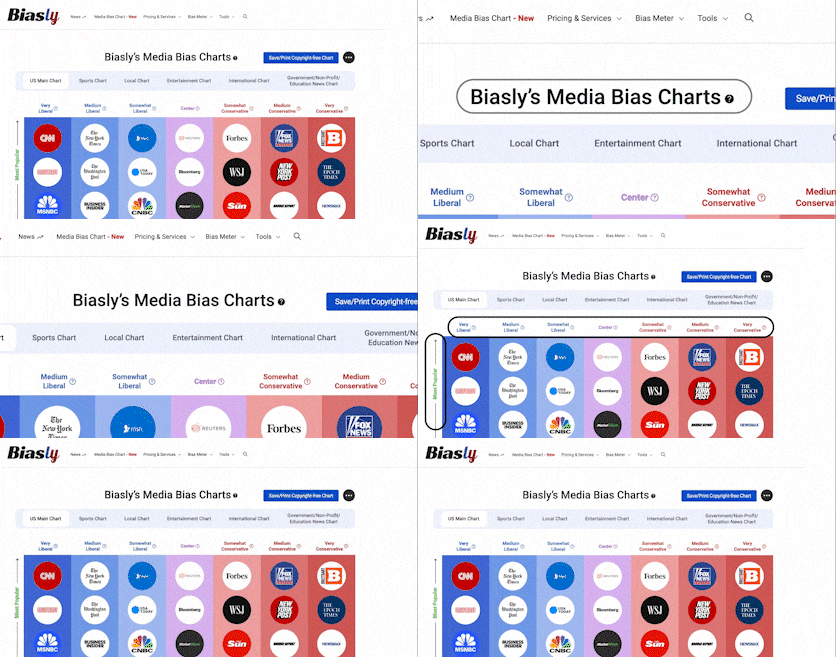
Readers who wish to further explore how BuzzFeed News compares with other publications can visit Biasly’s Media Bias Chart to analyze tone and word choice in real time.
Funding and Ownership
Who Owns BuzzFeed News?
BuzzFeed News is owned by BuzzFeed News Incorporated. NBCUniversal invested $200 million in BuzzFeed News in 2015, after initially utilizing venture capital to get itself started in its early years. In 2016, NBCUniversal made an additional $200 million investment in the news company. About a third of BuzzFeed News is owned by NBCUniversal and its Comcast affiliate together. According to BuzzFeed News, it wishes to maintain its independence. BuzzFeed News Incorporated decided to buy Huffington Post in a stock agreement in November 2020. Therefore, one-third owners of BuzzFeed News and Huffington Post are NBCUniversal and Comcast. The chairman, president, and CEO of Comcast is Brian L. Roberts. Comcast is a publicly listed company. It was also announced in 2020 by Perreti that BuzzFeed News News will be taken over by the Huffington Post. In a quote from BuzzFeed News, CEO Peretti, says,
“I have vivid memories of growing HuffPost into a major news outlet in its early years, but BuzzFeed News is making this acquisition because we believe in the future of HuffPost and the potential it has to continue to define the media landscape for years to come,” Peretti continued. “With the addition of HuffPost, our media network will have more users, spending significantly more time with our content than any of our peers.”
Given that NBCUniversal owns about a third of the company, it is reasonable to assume that’s the reason for the Left-leaning slant in their articles and that all the owners favor a Democrat-centric ideology.
Who Funds BuzzFeed News?
BuzzFeed News is funded by a combination of venture capital revenue, institutional investors, and private investors. This diverse funding pool suggests that there are multiple interests staked in BuzzFeed News’s editorial tendencies, but all are profit-driven. Thus, it is important for us to consider how profit incentives may influence BuzzFeed News’s editorial standards.
Additional Insights
News Source Comparison
When it comes to news source comparison, BuzzFeed News is often evaluated alongside other regional and national outlets that lean left or center-left. Sources like The Guardian, Los Angeles Times, or The Seattle Times often present similar tones and editorial philosophies. While BuzzFeed News maintains a Medium Left media bias, it differs from strongly partisan sources in that it occasionally includes opposing viewpoints and strives for regional coverage balance.
This puts it in contrast with more biased media outlets that present consistently one-sided narratives without factual counterpoints. Readers seeking balanced political coverage may compare BuzzFeed News’s framing of issues with outlets rated as Center or Lean Right on our Media Bias Chart, or explore other regional papers on our Similar Sources page.
Notable Contributors and Authors
BuzzFeed News features reporters who are generally left-leaning. Reporters like Alexa Lisitza and Natasha Jokic emphasize BuzzFeed News’s focus on providing entertaining, rather than substantive news articles. Most of their work focuses on pop culture and how politics is affecting culture, which suggests that they do not regularly attempt to engage with the substance of policies and political issues.
Related Tools and Resource Pages
To better understand how BuzzFeed News fits into the broader media landscape, we recommend exploring these helpful resources:
- Media Bias Chart: See where BuzzFeed News ranks among hundreds of media outlets across the political spectrum.
- Political Bias Chart: Visualize political slants of news sources across various policy areas.
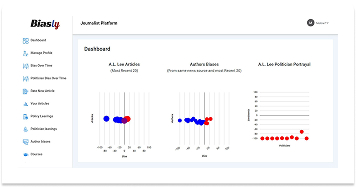
- Journalist Bias Analytics Platform: Explore how individual journalists contribute to bias within their publications.
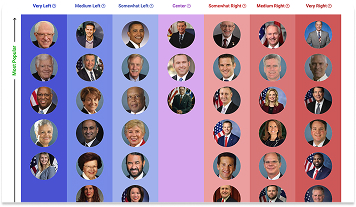
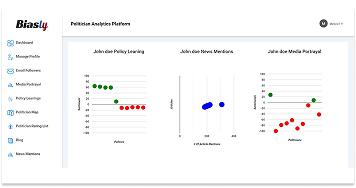
- Politician Bias Analytics Platform: Compare how politicians are framed differently by BuzzFeed News and other outlets.
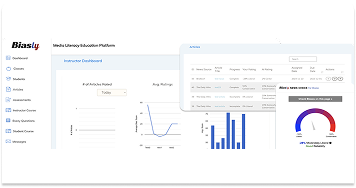
- Media Literacy Education Platform: Learn how to critically assess media sources, bias techniques, and news reliability.
Frequently Asked Questions
BuzzFeed News is rated as Medium Left based on Biasly’s media bias algorithm, which assesses sentiment, article framing, and policy favorability.
While BuzzFeed News has been charged for promoting fake news, some articles have shown selection and omission bias, especially in political reporting. For example, BuzzFeed News has faced criticism over concerns that its platform may have been used to amplify misleading information linked to Russian sources.
Biasly uses a combination of AI sentiment analysis and human analyst review to assess tone, fact accuracy, source quality, and media bias indicators. Learn more on our Bias Meter page.
Generally, yes, though partisan framing and selective reporting can affect perceived reliability.
Military Spending
| Date | Sentiment | Associated Article | Snippet |
|---|---|---|---|
| 08/25/2019 | 75% For | Trump Family Detentions Flores Agreement (link) | So, of course, the Trump administration is doing the opposite in a baldfaced |