




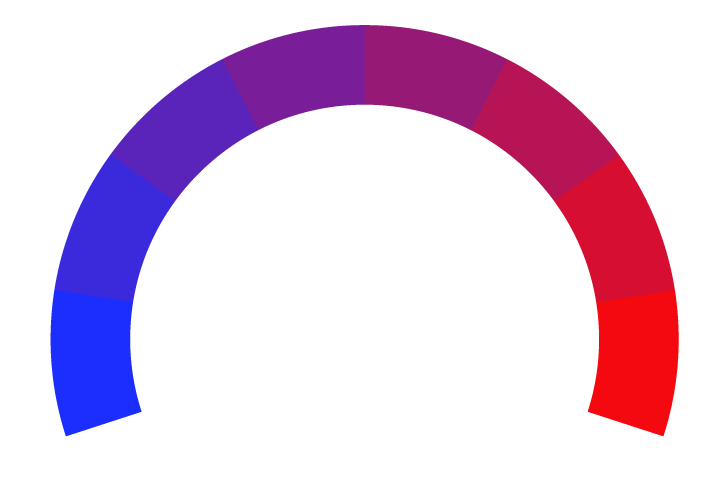
Bias Meter
Extremely
Liberal
Very
Liberal
Somewhat Liberal
Center
Somewhat Conservative
Very
Conservative
Extremely
Conservative
-100%
Liberal
100%
Conservative
- Profile
- Bias Rating
- Reliability26% Reliable LimitedPolicy Leanings
-4% Center
Extremely
LiberalVery
LiberalModerately
LiberalSomewhat Liberal
Center
Somewhat Conservative
Moderately
ConservativeVery
ConservativeExtremely
Conservative-100%
Liberal100%
Conservative
Limited Reliability
*Our bias meter rating uses data science including sentiment analysis, machine learning and our proprietary algorithm for determining biases in news articles. Bias scores are on a scale of -100% to 100% with higher negative scores being more liberal and higher positive scores being more conservative and 0% being neutral. The rating is an independent analysis and is not affiliated nor sponsored by the news source or any other organization.
Politician Portrayal