




34% Somewhat Right
Bias Meter
Extremely
Liberal
Very
Liberal
Somewhat Liberal
Center
Somewhat Conservative
Very
Conservative
Extremely
Conservative
-100%
Liberal
100%
Conservative

Biasly determines media bias ratings through a dual-layered approach combining artificial intelligence and analyst review. The platform’s proprietary bias detection engine, Bias Meter, evaluates sentiment, policy position alignment, and language framing across thousands of data points in news articles. Analysts then verify and interpret the AI’s findings, providing additional context where needed. Learn more about ratings
- Profile
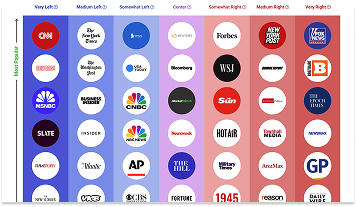
The American Conservative on the media bias chart

- Bias Rating
34% Somewhat Right
- Reliability61% Reliable AveragePolicy Leanings
28% Somewhat Right
Extremely
LiberalVery
LiberalModerately
LiberalSomewhat Liberal
Center
Somewhat Conservative
Moderately
ConservativeVery
ConservativeExtremely
Conservative-100%
Liberal100%
Conservative
Average Reliability
*Our bias meter rating uses data science including sentiment analysis, machine learning and our proprietary algorithm for determining biases in news articles. Bias scores are on a scale of -100% to 100% with higher negative scores being more liberal and higher positive scores being more conservative and 0% being neutral. The rating is an independent analysis and is not affiliated nor sponsored by the news source or any other organization.
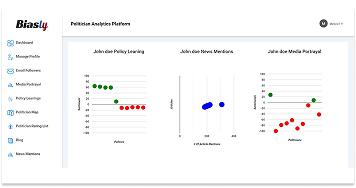
Politician Portrayal100% negative
Continue For Free
Create your free account to see the in-depth bias analytics and more.
By creating an account, you agree to our Terms and Privacy Policy, and subscribe to email updates.
Log In
Log in to your account to see the in-depth bias analytics and more.
Analysis of The American Conservative Articles
Analysis of Bias in The American Conservative Online Articles
To evaluate this, we can analyze select The American Conservative articles through several of Biasly’s bias rating criteria: Tone, Tendency, Author, Diction, and Expediency Bias.
- Tone: This represents the attitude of the writing, formed distinctively but related to the author’s word choices or diction.
- Diction: The specific words chosen by the writer.
- Author: A metric related to the article’s author, taking into account their history of stance on issues based on past articles and social media posts.
- Tendency: This measures how consistently an author shows bias in their work, including factors like their tone and perspective.
- Expediency Bias: the immediate impression created by elements like the article’s headline, images, or summary, indicating if they favor a particular viewpoint.
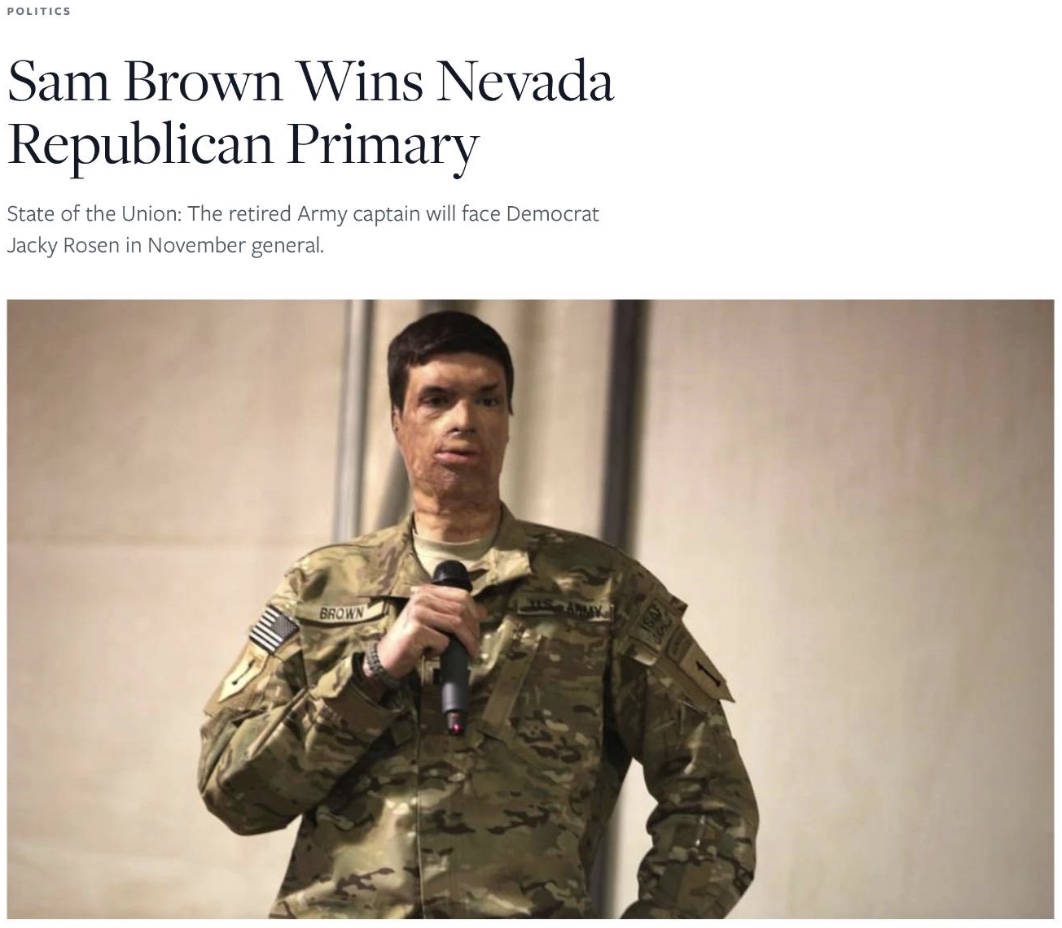
Source: The American Conservative
The reporter Spencer Neale frames Brown not just as a political candidate, but as heroic and morally grounded in the tone of the piece. Using Brown’s military service and personal suffering to reinforce his argument, Neale repeatedly highlights Brown’s Christian faith, patriotism, and perseverance. For example, the author chose to include a quote by Donald Trump,
“Sam Brown is a FEARLESS AMERICAN PATRIOT, a Purple Heart Recipient, who has proven he has the ‘PURE GRIT’ and COURAGE to take on our Enemies, both Foreign and Domestic,” Trump wrote. “Brown has my complete and total endorsement.”
Choosing to include this quote and the emotional language it provides contributes to the favorable framing of Brown using populist messaging. The article devotes considerably more space to Brown’s campaign and favorable framing than to competing perspectives.
The article’s language and diction reinforce the underlying ideological tendency of the new source. Terms like “resonated with Nevadan voters,” “grassroots members of the GOP rallied around his insurgent campaign,” frame Brown positively and serve as direct examples of diction bias. The competitor, Senator Jacky Rosen, is only briefly labeled as “moderate within her party,” while Brown enjoys an expansive narrative in the article leading to his victory.
Overall, this author aims at objectivity while covering the outcome of Nevada’s Republican Senate primary, but the article ultimately demonstrates a clear right-leaning bias in tone and framing. The article includes factual election and polling information, but it sympathetically portrays Republican candidate Sam Brown. This suggests that, although some stories use fact-based reporting, the present right-leaning bias correlates with Biasly’s rating for the source.
Although Spencer Neale has little public social media presence, another long-time author at the publication, Scott Greer, demonstrates stronger evidence of author bias, who posts on X about policies that are too woke for his beliefs and other outwardly conservative remarks.
The lone upside is that this just applies to DC. But it does open the possibility that the court may consider it applicable nationwide.
It’s a throwback to the peak woke era. There’s no reason it should be upheld today. https://t.co/lizApAmQeh
— Scott Greer 6’2” IQ 187 (@ScottMGreer) June 22, 2026
Tendency bias is present in Spencer Neale’s articles on The American Conservative, as do many authors on that platform. This may reflect more so on the foundational right-leaning criticism of The American Conservative, rather than it being indicative of any one author’s bias.
In another example of neutrality from this article, the photo, headline, and byline are all fairly void of any bias, showing no expediency bias. Some articles use headlines or images to subtly shape readers’ perceptions before they begin reading, therefore expediency bias.
Analysis of The American Conservative Opinion Articles
Before we answer this question, we need to draw the distinction between opinion and reporting. While reporting is intended to be neutral, giving the reader the facts and quotes from primary sources to let them form their own opinion, opinions are an outlet for columnists to express their personal views on the issues of the day. While we saw elements of factual reporting in the analysis above, The American Conservative opinion pieces don’t seek objectivity but prioritize putting forth an opinion instead.
The first article we’ll examine is titled “Biden Is a Study in Failed Centrism.” The title already reveals the author’s bias as it suggests a negative opinion of Joe Biden and his policies. It also suggests that the author does not intend to provide a fair and objective reporting of the facts on both sides of the aisle to provide multiple perspectives.
Next, consider the opinion article “On ‘Right-Wing Liberation Theology.’” The title is objective and simply informs readers of the topic being discussed. Reliable articles are marked by neutral language and facts from credible sources. Based on the title alone, it could be safely assumed that this article would be less biased than the previous one.
These articles, in addition to those above, are not the bulk of The American Conservative content, but they indicate that the outlet is often characterized by a great deal of opinion, further underscoring the importance of knowing how to distinguish subjective writing from genuine reporting.
Analysis of Reliability in The American Conservative’s Online News Articles
The American Conservative can be good at using reliable sources from both sides of the ideological divide and citing facts as evidence; however, this is not the case for every article. For instance, Jude Russo’s article “‘Waivable Loans for Ukraine Are Just Grants” uses one long quote, one medium quote, and one short quote. Longer quotes can indicate higher reliability if the source is reputable; however, a broader range of reputable sources would strengthen the article.
The number of sources used seems to be lower than we typically recommend, but the diversity appears to be slightly better as there are two Center, one Conservative, and one Liberal-leaning sources. Furthermore, all of their quotes are opinions from their sources without any statistical facts. The author, Jude Russo, consistently tends to lean towards the right when writing, providing an unequal distribution of sources and a lack of holistic facts in the article. Russo continually uses sources that share the same opinion and provide few facts. Overall, the evidence suggests the article is strongly committed to a conservative perspective and is not as trustworthy for information on loans to Ukraine.
Quality of Sources and Facts Used
The article, “‘Waivable Loans’ for Ukraine Are Just Grants,” takes a strongly skeptical view of Republican proposals to structure Ukraine aid as “waivable loans.” The piece argues that the proposal is effectively a political rebranding rather than a meaningful fiscal safeguard, framing it as an attempt to disguise future grant aid from voters. Its tone is openly critical, sarcastic, and populist, with repeated rhetorical flourishes aimed at both Republican leadership and pro-Ukraine lawmakers. While the article is easy to follow and highly opinionated, it clearly prioritizes persuasion over neutrality, making its ideological perspective central to the analysis that follows.
The article contains roughly six direct quoted passages, including partial quotations in quotation marks. The shortest quote is just one word, while the longest quote runs about 173 words, and the average quote length is approximately 35–36 words. The longer quotations—particularly the extended Trump excerpt—improve reliability because readers can evaluate the speaker’s meaning in a fuller context rather than through selectively clipped phrasing.
Most quotes appear accurately represented and attributable, although the article’s sarcastic framing around them still guides readers toward a particular interpretation. The balance between direct quotation and author commentary leans heavily toward commentary, but the inclusion of long-form quotes does provide some transparency.
The article uses a relatively small number of distinct linked or referenced sources. Most of the sourcing comes from center-right or right-leaning political figures and publications, with only limited inclusion of opposing viewpoints. The clearest externally referenced media source is POLITICO, which is generally considered center or center-left in media-bias tracking, while the political figures cited—such as Donald Trump and Lindsey Graham, come from the Republican right. The lone Democratic voice, Sen. Dick Durbin, is included briefly and mostly to reinforce the author’s criticism rather than challenge it. Overall, the sourcing ecosystem is narrow and ideologically tilted toward conservative skepticism of Ukraine aid.
- Donald Trump, speaking at a South Carolina campaign event
- Lindsey Graham, promoting the proposal on Twitter/X
- POLITICO is reporting on congressional discussions surrounding the aid package
- Dick Durbin is criticizing the “waivable loan” concept
- Jude Russo, conservative columnist for The American Conservative
The sourcing is not especially balanced across ideological lines. Right-leaning voices dominate both numerically and rhetorically, and they also receive the largest share of quoted words by a wide margin because of the lengthy Trump quotation. Center-aligned reporting from POLITICO is used primarily to validate the article’s premise rather than provide counterweight or nuance. Left-leaning perspectives are almost absent except for a brief Durbin quote that happens to support the author’s argument. In terms of overall framing, prominence, and quoted space, conservative and anti-Ukraine-aid viewpoints overwhelmingly dominate the piece.
The author uses sources selectively and strategically. Republican critics of Ukraine aid are treated sympathetically, while congressional leadership and pro-Ukraine lawmakers are portrayed as deceptive or manipulative. Skepticism is directed almost entirely at advocates of continued aid, whereas anti-aid assumptions generally go unchallenged. Even when opposing figures are included, they are often used to reinforce the author’s thesis rather than complicate it. Because of the imbalance in sourcing, tone, and framing, the article would best be rated as Medium Right in bias rather than merely “Somewhat Right.”
Factually, the article is broadly grounded in real congressional discussions about structuring portions of Ukraine aid as loans rather than direct grants, and outside reporting confirms that Republicans floated similar proposals during 2024 negotiations over Ukraine funding. The article is strongest when discussing the political logic behind “waivable loans,” since critics across the political spectrum questioned whether such loans would ever realistically be repaid.
However, some rhetorical claims—especially around total aid figures and assumptions that the loans would inevitably be forgiven—are more interpretive than proven fact. Other reporting has also noted that U.S. and European aid packages included mixtures of military transfers, grants, and loans, making the financial picture more complicated than the article suggests. Overall, the factual foundation is mostly sound, but the presentation is highly selective and shaped to support a clearly ideological conclusion.
Selection and Omission Bias
In a more extreme example from The American Conservative, we can see an author portray disapproval of the Democratic Party, even though he tries to be objective. The article by Paul Gottfried, “The Democrats Cannot Afford to Lose in November,” tends to focus exclusively on the Republican Party’s strengths and the Democratic Party’s weaknesses, suggesting Donald Trump will be reelected in November. Furthermore, he only has one short quote from Trump in which he says of the upcoming election, “my success will be my best revenge.”
Throughout the article, Gottfried makes use of strong language that disparages Democrats. He even goes so far as to claim that the Democrats will rig the election.
“It’s unlikely the Dems will allow any of this to happen without first pulling out all stops. They will do everything possible to rig the election in their favor, including the granting of citizenship to illegals, where possible, and arranging to allow other illegals to vote by removing all election integrity safeguards.”
The article appears quite one-sided, and there are few attempts to provide a multi-perspective article.
In opinion pieces, issues with factuality, sources, selection, and omission are frequently present. The articles we’ve covered so far are mostly biased and exclude adequate relevant background and information that may contradict the author’s position. As a news organization with a historically conservative slant, The American Conservative has an incentive to continue appealing to conservative viewpoints to maintain the interests of its right-wing readership. But now that we’ve enumerated typical trustworthiness indications, you may stay current by keeping yourself informed on the most accurate news.
The American Conservative Bias Overview
Since it started in 2002, The American Conservative has carved out a unique niche in American political commentary. It’s known for its principled, conservative viewpoint that differs slightly from the mainstream conservative media.
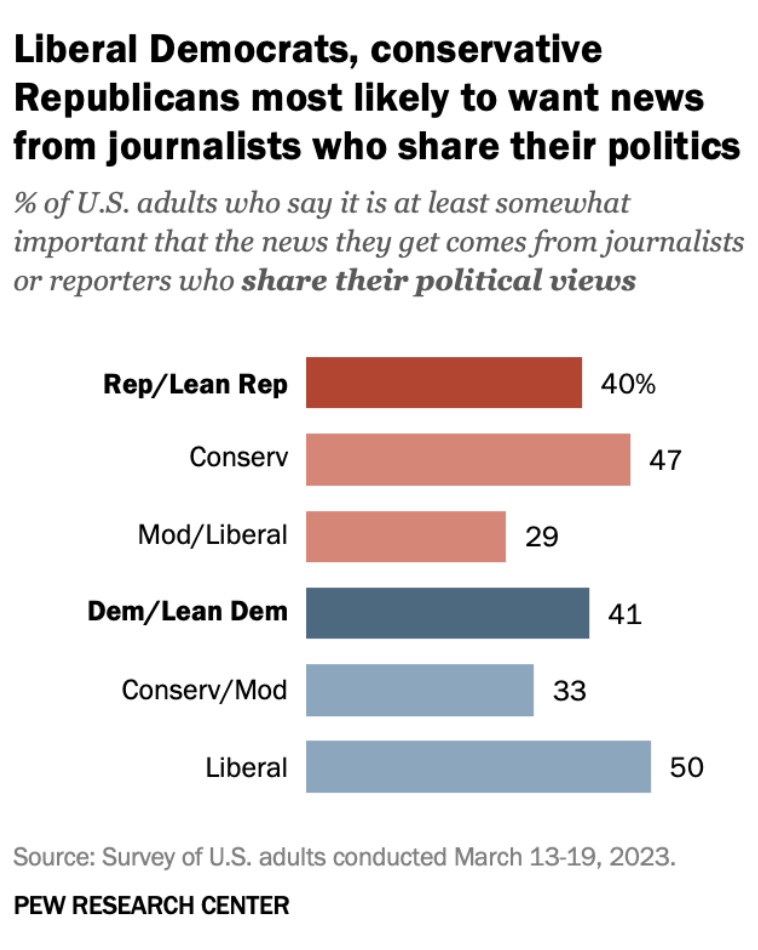
Available in both digital and print formats, The American Conservative is noted for its thoughtful and often unconventional viewpoints, making it an important platform for discussions on politics, culture, and policy. According to Pew Research, many conservative Republicans prefer news from sources that align with their political views, positioning The American Conservative as a trusted source for its readership. However, the question of whether The American Conservative maintains an unbiased stance is an ongoing topic of discussion among readers and critics.
Source: Pew Research
In this article, we will evaluate the publication’s coverage and editorial decisions to determine if there is a clear political bias in their reporting. Our aim is to provide a detailed assessment of whether The American Conservative shows bias and to explore the broader factors that influence media bias.
Is The American Conservative Biased?
Based on Biasly’s evaluations, The American Conservative is rated as Somewhat Right.
By examining content patterns and the broader context of media influence, we aim to offer a balanced perspective on The American Conservative’s political bias—and contribute to the ongoing discussion about bias in the news.
How Does Biasly Rate News Sources?
Biasly uses proprietary algorithms and a team of analysts to provide comprehensive bias evaluations across thousands of news outlets. Over 200,000 articles from more than 3,200 sources have been analyzed to identify the most accurate and unbiased stories.
Biasly assigns each outlet three key scores:
- Reliability Score – Reflects factual accuracy
- AI Bias Score – Generated via natural language processing
- Analyst Bias Score – Assessed by human political analysts
These scores are based on seven core metrics: Tone, Tendency, Diction, Author Check, Selection/Omission, Expediency Bias, and Accuracy. These elements help analysts and algorithms evaluate the political attitude conveyed by each article.
Biasly’s Bias Meter ranges from -100% (most left) to +100% (most right), with 0% indicating neutrality. The system evaluates individual articles based on political terms, policies, figures, and sentiment to calculate precise bias ratings.
Is The American Conservative Politically Biased?
The American Conservative earns a Somewhat Right rating for its AI Bias Score and a Medium Right for its Analyst Bias Score. The Analyst Bias Score is generated by reviewers from liberal, moderate, and conservative backgrounds.
Analyst scores are based on an average of at least 15 articles, with each being reviewed by one liberal, moderate, and conservative analyst. The more articles rated by Biasly’s analyst team for a particular source, the more accurate the analyst score. As Biasly rates more articles, the scores will become more accurate. Praise for conservative politicians and policies, as well as dislike toward Democratic policies and politicians, contribute to this rating. Biasly’s scores closely align with determinations by other third-party bias research agencies.
Readers like you are likely to have a strong opinion of The American Conservative based on your political leaning because they tend to favor conservative causes and people, as represented by Biasly’s “Somewhat Right” rating. In the remainder of this article, we’ll talk about ways to identify this bias so you can separate the opinions from the facts and become a more informed consumer of news.
Before we begin, we need to discuss bias. Bias is a natural function of humans, and we can express it both consciously and unconsciously. Bias is one of the most fundamental forms of pattern recognition in humans. This isn’t to lower the bar and say that “all things are biased,” but to explain the process in which we may come to trust certain news organizations that display patterns of coverage.
On the media’s part, there is an incentive to retain audiences, encourage them to purchase subscriptions, and rate products positively. Bias is a two-way street; people want to see news stories about things they care about, and the media needs viewers to continue their operations. This creates a positive feedback loop that influences what stories are covered and from what perspective. This also explains the actions of more liberal news organizations.
How to Evaluate Bias
Although Biasly rates The American Conservative as Somewhat Right, it’s important to remember that bias can vary from article to article. The American Conservative also covers many issues with objectivity, from state legislation to social developments. This complexity underscores the importance of examining each article individually. So, let’s learn how to evaluate media bias.
Recognizing media bias requires awareness and critical thinking. Often, readers trust news sources that affirm their existing beliefs—a psychological tendency known as confirmation bias. This makes it harder to identify slanted narratives or one-sided reporting.
To address this, it’s essential to challenge your assumptions by consulting multiple perspectives and verifying information through third-party analysis. Tools like Biasly’s media bias ratings allow readers to compare the same news story across the political spectrum.
Ultimately, bias isn’t always a matter of what is said—it’s also about what is left out, how topics are framed, and which stories are chosen for coverage. Learning to recognize these patterns can help readers make more informed decisions and develop greater media literacy.
To start comparing news outlets and gain a better understanding of bias, sign up for Biasly’s Media Bias & News Analytics Platform to see how stories vary between sources.
The American Conservative Reliability Overview
Is The American Conservative Reliable?
The American Conservative, a right-leaning news source, offers a variety of articles that often challenge the conventions of articles published by mainstream media. When these articles steer in a different direction, it may be the case that they are not as trustworthy or reliable as other articles. This warrants taking a closer look at The American Conservative and its reliability.
Biasly’s rating, based on the Analyst and A.I. ratings of different articles, for the reliability of The American Conservative is ‘Fair.’ This points to The American Conservative offering a moderate reliability. Although individual articles can differ,The American Conservative, on average, offers factual news that is supported by factual sources.
How to Evaluate Reliability?
Reliability refers to how trustworthy or accurate a news source is. If we can’t trust what we read, then continuing to consume content from that outlet serves little purpose. So how do we evaluate a news outlet’s reliability?
There are several key indicators of reliability to consider when assessing a media source. Red flags of an unreliable article can include wild, unsubstantiated claims, facts that depend on other unreliable sources, heavy use of opinionated language, and more. In contrast, hallmarks of a reliable source include:
- Absence of subjective language
- Citing credible sources (e.g., .gov, .edu, academic references)
- Verifiable facts and statistics from multiple outlets
- Use of primary sources, like interviews or transcripts
- Consistency with coverage across other platforms
Biasly’s reliability scores incorporate these elements in evaluating media outlets.
So How Does The American Conservative Fare in Its Reliability?
The political reliability index developed by Biasly assesses both accuracy and trustworthiness. The American Conservative currently holds Average Reliability Score, which is calculated as a weighted average of:
- Fact Analysis Score – Evaluates the accuracy of claims, facts, and evidence.
- Source Analysis Score – Assesses the number, diversity, and credibility of sources and quotes used.
The American Conservative’s Source Analysis Score is Average at 64% Reliable. This suggests moderate trustworthiness in its sourcing practices. The score is AI-generated and considers quote length, frequency, diversity, and quality.
The Fact Analysis Score of The American Conservative is Average at 61% Reliable. This further shows how well The American Conservative supports its claims, addresses selection and omission bias, and presents verifiable evidence.
While The American Conservative leans toward factual reporting, sometimes stories feature unbalanced viewpoints or incomplete data, and this affects its reliability rating. These nuances emphasize how important it is to analyze every article separately.
The American Conservative’s Accuracy and Reliability
According to Biasly’s analysis, The American Conservative maintains Average Reliability Score, but individual articles may vary significantly. Let’s dive into the details.
The credibility of news organizations is significantly impacted by bias and political orientation. Like numerous other media organizations, The American Conservative has occasionally been accused of prioritizing the conservative agenda above facts. We can evaluate the integrity of The American Conservative’s news stories and deduce how well the publication supports assertions with evidence, and see whether this is indeed the case. We will check for selection and omission bias as we assess the articles’ correctness and factuality.
Two common types of bias that affect factuality include:
- Selection Bias – when stories and facts are selected, often on ideological grounds, to create a narrative in support of the news sources’ ideology.
- Omission Bias – Leaving out differing perspectives or relevant details to skew perception.
Biasly assigns a percentage score to accuracy, with one being the least accurate and 100 being the most. Ratings are calculated by weighing assertions with supporting evidence, the number of reliable internal sources, and the number of reliable external sources employed. A full page at Biasly’s website includes dependability and accuracy ratings for newly released The American Conservative news stories. As we previously stated, according to the reports, analytics have assessed that The American Conservative has a Fair reliability score.
This score can vary from article to article, though, and the most extreme variations in dependability are caused by bias, notably omission and selection bias. Consider also CBS News, which has a “Medium Liberal” Bias and a “Good” analyst reliability score according to Biasly. For example, they published an article that had an 98% reliability score titled,” New study finds one-third of COVID survivors suffer mental health and neurological disorders,” and another article called, “Biden officials defend border response as number of migrant children in U.S. custody tops 20,000,” that had a 52% reliability score. As a result, stories displaying political leanings are less reliable than neutral ones.
For instance, The American Conservative article titled “Sam Brown Wins Nevada Republican Primary” is rated as Somewhat Conservative. Concerning the selection and omission bias, the author, Spencer Neale, does a good job of quoting sources that support Brown’s campaign for Nevada Senator. However, Neale fails to offer any other viewpoints. He quotes Trump, who endorsed Brown by posting on Truth Social:
“Sam Brown is a FEARLESS AMERICAN PATRIOT, a Purple Heart Recipient, who has proven he has the ‘PURE GRIT’ and COURAGE to take on our Enemies, both Foreign and Domestic.”
This article portrays a moderately conservative stance, mostly due to portraying Brown, a pro-life Republican, as a good choice for Nevada senator. However, Neale fails to balance his viewpoints and commentary while reporting on this campaign. If Neale had included someone who is not in favor of Brown’s campaign, he could have provided a more holistic view of the Nevada Senate race. Therefore, this article can be considered mostly reliable.
So, is The American Conservative Reliable?
Overall, The American Conservative can be considered to be an outlet that is moderately reliable. It demonstrates a consistent goal of journalistic integrity and typically supports claims with sources and quotes. Occasional omissions and framing bias do appear, particularly on culturally sensitive or partisan issues.
As media literacy improves, readers can more easily detect issues with selection bias, omission bias, and factuality. To strengthen your ability to assess reliability across the political spectrum, use Biasly’s News Bias Checker to compare how multiple outlets report the same story.
This empowers you to consume more accurate, balanced, and dependable news.
The American Conservative Reliability Overview
The American Conservative Reliability Overview
Is The American Conservative Reliable?
The American Conservative, a right-leaning news source, offers a variety of articles that often challenge the conventions of articles published by mainstream media. When these articles steer in a different direction, it may be the case that they are not as trustworthy or reliable as other articles. This warrants taking a closer look at The American Conservative and its reliability.
Biasly’s rating, based on the Analyst and A.I. ratings of different articles, for the reliability of The American Conservative is ‘Fair.’ This points to The American Conservative offering a moderate reliability. Although individual articles can differ,The American Conservative, on average, offers factual news that is supported by factual sources.
How to Evaluate Reliability?
Reliability refers to how trustworthy or accurate a news source is. If we can’t trust what we read, then continuing to consume content from that outlet serves little purpose. So how do we evaluate a news outlet’s reliability?
There are several key indicators of reliability to consider when assessing a media source. Red flags of an unreliable article can include wild, unsubstantiated claims, facts that depend on other unreliable sources, heavy use of opinionated language, and more. In contrast, hallmarks of a reliable source include:
- Absence of subjective language
- Citing credible sources (e.g., .gov, .edu, academic references)
- Verifiable facts and statistics from multiple outlets
- Use of primary sources, like interviews or transcripts
- Consistency with coverage across other platforms
Biasly’s reliability scores incorporate these elements in evaluating media outlets.
So How Does The American Conservative Fare in Its Reliability?
The political reliability index developed by Biasly assesses both accuracy and trustworthiness. The American Conservative currently holds Average Reliability Score, which is calculated as a weighted average of:
- Fact Analysis Score – Evaluates the accuracy of claims, facts, and evidence.
- Source Analysis Score – Assesses the number, diversity, and credibility of sources and quotes used.
The American Conservative’s Source Analysis Score is Average at 64% Reliable. This suggests moderate trustworthiness in its sourcing practices. The score is AI-generated and considers quote length, frequency, diversity, and quality.
The Fact Analysis Score of The American Conservative is Average at 61% Reliable. This further shows how well The American Conservative supports its claims, addresses selection and omission bias, and presents verifiable evidence.
While The American Conservative leans toward factual reporting, sometimes stories feature unbalanced viewpoints or incomplete data, and this affects its reliability rating. These nuances emphasize how important it is to analyze every article separately.
The American Conservative’s Accuracy and Reliability
According to Biasly’s analysis, The American Conservative maintains Average Reliability Score, but individual articles may vary significantly. Let’s dive into the details.
The credibility of news organizations is significantly impacted by bias and political orientation. Like numerous other media organizations, The American Conservative has occasionally been accused of prioritizing the conservative agenda above facts. We can evaluate the integrity of The American Conservative’s news stories and deduce how well the publication supports assertions with evidence, and see whether this is indeed the case. We will check for selection and omission bias as we assess the articles’ correctness and factuality.
Two common types of bias that affect factuality include:
- Selection Bias – when stories and facts are selected, often on ideological grounds, to create a narrative in support of the news sources’ ideology.
- Omission Bias – Leaving out differing perspectives or relevant details to skew perception.
Biasly assigns a percentage score to accuracy, with one being the least accurate and 100 being the most. Ratings are calculated by weighing assertions with supporting evidence, the number of reliable internal sources, and the number of reliable external sources employed. A full page at Biasly’s website includes dependability and accuracy ratings for newly released The American Conservative news stories. As we previously stated, according to the reports, analytics have assessed that The American Conservative has a Fair reliability score.
This score can vary from article to article, though, and the most extreme variations in dependability are caused by bias, notably omission and selection bias. Consider also CBS News, which has a “Medium Liberal” Bias and a “Good” analyst reliability score according to Biasly. For example, they published an article that had an 98% reliability score titled,” New study finds one-third of COVID survivors suffer mental health and neurological disorders,” and another article called, “Biden officials defend border response as number of migrant children in U.S. custody tops 20,000,” that had a 52% reliability score. As a result, stories displaying political leanings are less reliable than neutral ones.
For instance, The American Conservative article titled “Sam Brown Wins Nevada Republican Primary” is rated as Somewhat Conservative. Concerning the selection and omission bias, the author, Spencer Neale, does a good job of quoting sources that support Brown’s campaign for Nevada Senator. However, Neale fails to offer any other viewpoints. He quotes Trump, who endorsed Brown by posting on Truth Social:
“Sam Brown is a FEARLESS AMERICAN PATRIOT, a Purple Heart Recipient, who has proven he has the ‘PURE GRIT’ and COURAGE to take on our Enemies, both Foreign and Domestic.”
This article portrays a moderately conservative stance, mostly due to portraying Brown, a pro-life Republican, as a good choice for Nevada senator. However, Neale fails to balance his viewpoints and commentary while reporting on this campaign. If Neale had included someone who is not in favor of Brown’s campaign, he could have provided a more holistic view of the Nevada Senate race. Therefore, this article can be considered mostly reliable.
So, is The American Conservative Reliable?
Overall, The American Conservative can be considered to be an outlet that is moderately reliable. It demonstrates a consistent goal of journalistic integrity and typically supports claims with sources and quotes. Occasional omissions and framing bias do appear, particularly on culturally sensitive or partisan issues.
As media literacy improves, readers can more easily detect issues with selection bias, omission bias, and factuality. To strengthen your ability to assess reliability across the political spectrum, use Biasly’s News Bias Checker to compare how multiple outlets report the same story.
This empowers you to consume more accurate, balanced, and dependable news.
The American Conservative Editorial Patterns
The American Conservative’s coverage of political topics often reflects a Somewhat Right bias, with consistent patterns in phrasing, source selection, and thematic focus that are Slightly Conservative. While the publication demonstrates journalistic standards in many of its reports, the choice of issues, framing, and word usage can indicate a political slant. This content analysis examines how The American Conservative handles liberal and conservative issues and evaluates its language choices and editorial tendencies.
Coverage of Liberal vs. Conservative Topics
The American Conservative’s coverage frequently emphasizes traditionalist, nationalist, and anti-interventionist viewpoints, especially concerning immigration and foreign policy. Articles discussing progressive causes, like climate policy, LGBTQ+ advocacy, or social programs, are sometimes presented skeptically or in a cautionary fashion. The left-leaning topics can occasionally be framed as government overreach or elite-driven policies, as well. Many topics like identity politics, progressive education policies, or Ukraine aid are covered using language that expresses concern about institutional power and the erosion of traditional American values.
On the other hand, conservative figures and Republican criticism of certain policies are presented more sympathetically. The news source displays conservative arguments as underrepresented viewpoints on many occasions, especially for topics like foreign intervention and border security. While the source is willing to criticise Republican leadership, like neoconservatives, it is framed differently compared to how liberal policies are criticised.
The ideological leanings are visible when terms such as “globalism,” “bureaucratic expansion,” or “elite consensus” are categorically used.
Policy and Issue Framing
When covering issues like immigration, foreign intervention, or cultural change, this outlet often emphasizes the preservation of traditional institutions. The source consistently questions the intentions of policies tied to globalization, military intervention, and progressive social changes. This aligns with the “Medium Right” bias label given to the source. Many sources that the outlet uses for its stories are conservative academics, populist politicians, or anti-establishment voices.
In contrast, issues aligned with progressive politics, like climate legislation, diversity causes, or gender politics, are covered much more critically. The stories tend to be framed around concerns about ideological conformity or unintended economic or social consequences. Instead of focusing on activist voices in those areas, the articles highlight cultural backlash or dissenting voices. Even when discussing liberal arguments to certain policies, the framing consists of skepticism over endorsement, especially regarding specific institutional reforms.
In more direct reporting articles by The American Conservative, when conservative policies are discussed, they are labeled as “protecting communities” or as “defending national interests,” while progressive causes are labeled as “social engineering or “bureaucratic.” These language patterns reinforce the publication’s broader biases and framing/editorial tendencies.
Coverage and Relevance
This publication’s reporting often focuses on domestic and foreign policy issues in the United States. The articles include coverage on prominent politicians, breaking news stories, and issues on the world stage. The focus of the news outlet is exclusively political, with an emphasis on foreign policy and establishment narratives.
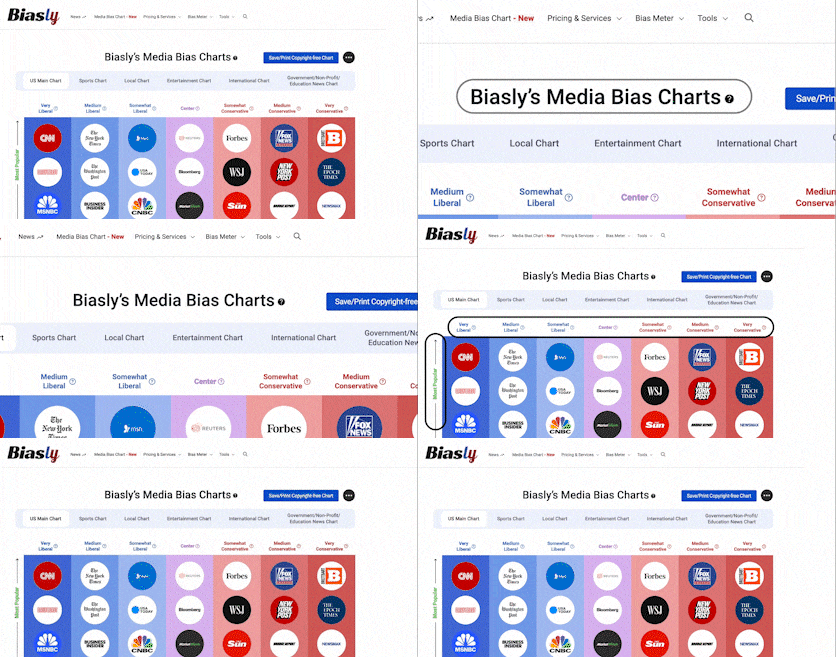
Readers who wish to further explore how The American Conservative compares with other publications can visit Biasly’s Media Bias Chart to analyze tone and word choice in real time.
Funding and Ownership
Who Owns The American Conservative?

Patrick J. Buchanan, Founder on The American Conservative’s board of directors
Source: Wikimedia Commons
The American Conservative is owned by the American Ideas Institute, a nonprofit organization. The publication operates with a mission to promote traditional conservatism and offer a platform for thoughtful political commentary and analysis. It was founded by three men, Scott McConnell, Patrick J. Buchanan, and Taki Theodoracopulos, all of whom believed that American conservatism was not actually “conserving much of anything.”
Under its nonprofit structure, the news source is funded through subscriptions and donations from foundations and individuals. These parties are not publicly disclosed, but tax filings indicate donations from the Charles Koch Foundation and the Winston Salem Foundation.
Who Funds The American Conservative?
The American Conservative is operated by the American Ideas Institute, a 501(c)(3) nonprofit organization owned by a board of directors. The source’s non-profit structure allows it to accept tax-deductible donations, as well as advertising revenue.
The source’s membership channels and donations have largely funded it to this day, specifically from large individual donors, foundation grants, and sponsorship revenue. Outlets of this type must be considered within the confines of the donors and individual funders of the organization, who may influence editorial decisions and help us understand any underlying bias.
On a different note, this structure can also potentially help journalists maintain their independence from traditional advertising pressures in corporate media. Regardless of this, the donors of the organization can likely influence framing and editorial decisions in the publications. Readers should remain aware of how donor relationships and institutional priorities can apply pressure to a source’s coverage.
Additional Insights
News Source Comparison
%_SOURCE_NAME compares to other right-leaning analysis outlets like the National Review, The Washington Times, The Daily Wire, and The Federalist. Due to the outlet’s consistent focus on policy analysis, essays, and commentary, the source is also grouped with other long-form commentary publications rather than breaking news sources.
The National Review is quite similar in terms of writing style and conservative commentary to The American Conservative. On the other hand, The Daily Wire or Breitbart, for instance, represent a more populist version of the same ideological conservative commentary.
Notable Contributors and Authors
The American Conservative features a range of voices in its commentary, prominently including its founders Scott McConnell, Pat Buchanan, and Taki Theodoracopulos, who wrote for the outlet. As a contributing author, George H. Nash also published essays on The American Conservative, including essays and commentary sections.
Many who wrote for The American Conservative are anti-interventionists, academics, historians, policy-writers, journalists, and pundits. The array of voices on the platform aids in credibility and focuses the platform towards ideas and away from identity politics.
Some other noteworthy names include Daniel Larison and John Daniel Davidson, who write in the areas of foreign policy and culture, respectively.
Related Tools and Resource Pages
To better understand how The American Conservative fits into the broader media landscape, we recommend exploring these helpful resources:
- Media Bias Chart: See where The American Conservative ranks among hundreds of media outlets across the political spectrum.
- Political Bias Chart: Visualize political slants of news sources across various policy areas.
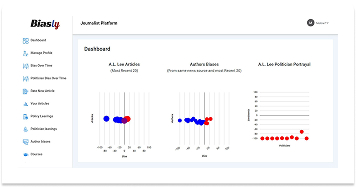
- Journalist Bias Analytics Platform: Explore how individual journalists contribute to bias within their publications.
- Politician Bias Analytics Platform: Compare how politicians are framed differently by The American Conservative and other outlets.
- Media Literacy Education Platform: Learn how to critically assess media sources, bias techniques, and news reliability.
Frequently Asked Questions
The American Conservative is rated as Somewhat Right based on Biasly’s media bias algorithm, which assesses sentiment, article framing, and policy favorability.
While The American Conservative is not widely known for promoting fake news, they have been repeatedly labeled as a biased news source by bias-report organizations. Even though this outlet may not directly use misinformation or fake news, framing a story in a biased manner to manipulate public perception can contribute to misleading impressions if important context is omitted.
Biasly uses both AI sentiment analysis and human analyst review to analyze tone, fact accuracy, source quality, and media bias indicators. Learn more on our Bias Meter page.
Yes, for the most part, as long as every article is being interpreted through the lens of the outlet as a right-leaning organization. Opinion articles will also be much more biased than articles covering a national headline story, for example.
Military Spending
| Date | Sentiment | Associated Article | Snippet |
|---|---|---|---|
| 08/25/2019 | 75% For | Trump Family Detentions Flores Agreement (link) | So, of course, the Trump administration is doing the opposite in a baldfaced |