




-28% Somewhat Left
Bias Meter
Extremely
Liberal
Very
Liberal
Somewhat Liberal
Center
Somewhat Conservative
Very
Conservative
Extremely
Conservative
-100%
Liberal
100%
Conservative
Biasly determines media bias ratings through a dual-layered approach combining artificial intelligence and analyst review. The platform’s proprietary bias detection engine, Bias Meter, evaluates sentiment, policy position alignment, and language framing across thousands of data points in news articles. Analysts then verify and interpret the AI’s findings, providing additional context where needed. Learn more about ratings
- Profile
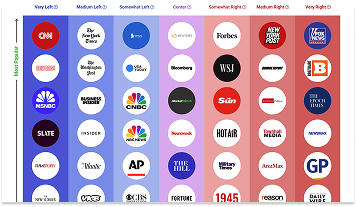
UNILAD on the media bias chart
- Bias Rating
-28% Somewhat Left
- Reliability57% Reliable AveragePolicy Leanings
-20% Somewhat Left
Extremely
LiberalVery
LiberalModerately
LiberalSomewhat Liberal
Center
Somewhat Conservative
Moderately
ConservativeVery
ConservativeExtremely
Conservative-100%
Liberal100%
Conservative
Average Reliability
*Our bias meter rating uses data science including sentiment analysis, machine learning and our proprietary algorithm for determining biases in news articles. Bias scores are on a scale of -100% to 100% with higher negative scores being more liberal and higher positive scores being more conservative and 0% being neutral. The rating is an independent analysis and is not affiliated nor sponsored by the news source or any other organization.
Politician Portrayal25% negative
Continue For Free
Create your free account to see the in-depth bias analytics and more.
By creating an account, you agree to our Terms and Privacy Policy, and subscribe to email updates.
Log In
Log in to your account to see the in-depth bias analytics and more.
Analysis of UNILAD Articles
Analysis of Bias in UNILAD Online Articles
UNILAD has found that in-depth coverage of trends is one of the most effective ways to drive subscriptions. Given that much of its readership is young adults, it’s essential to ask: is UNILAD truly biased?
To evaluate this, we can analyze select UNILAD articles through several of Biasly’s bias rating criteria: Tone, Tendency, Author, Diction, and Expediency Bias.
- Tone: The overall attitude or emotional stance the article communicates—whether it feels neutral, skeptical, sympathetic, outraged, sarcastic, etc.
- Diction: The writer’s precise word choices, including loaded or evaluative language, labels, and framing terms that can subtly shape how readers interpret people and events.
- Author: The journalist’s background and public footprint—past roles, stated viewpoints, beat history, and social media activity—that may provide context for their perspective.
- Tendency: Recurring patterns in the writer’s larger body of work, such as consistently favoring certain narratives, sources, or ideological assumptions across multiple pieces.
- Expediency Bias: Fast, surface-level signals that suggest a slant before you even read closely—headlines, photo selection, captions, pull quotes, and other prominent visual or structural cues.
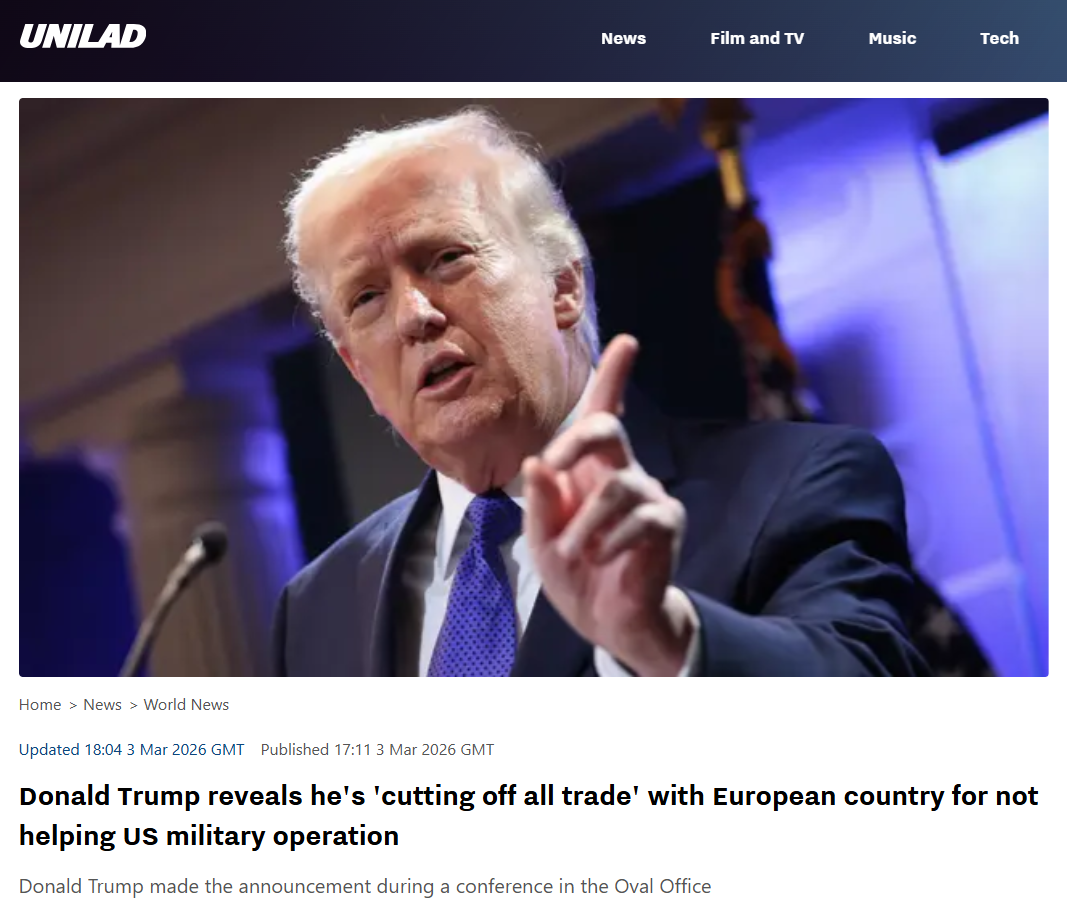
“Donald Trump Reveals He’s Cutting Off All Trade With European Nation For Not Helping US Military Operation,” frames Trump’s actions negatively from the outset by highlighting his decision to “cut off all trade” and the context of a military dispute. The headline doesn’t overtly scream bias. It clearly states the core news event: Trump says he’s cutting off trade with Spain. It avoids adjectives like “outrageous” or “reckless,” which would signal stronger bias. However, using “reveals” (rather than “announces” or “details”) can subtly frame Trump’s statement as more dramatic or self-serving.
The image reinforces this tone. Trump is shown mid-gesture, pointing with a firm expression, which visually conveys authority and intensity. This kind of image selection can amplify the perception of assertiveness or confrontation, subtly shaping how readers interpret the headline before engaging with the article.
Overall, the combination of headline and image aligns with the article’s moderately liberal bent by emphasizing the seriousness and assertive nature of Trump’s statement without using overtly partisan language.
The selection of quotations focuses on Trump’s criticism of Spain’s leadership and his dismissive tone, which can shape readers to view his actions critically. It emphasizes Spain’s denial of base use and statements from Spanish officials clarifying their legal position, which implicitly contrasts with Trump’s rhetoric against Spain’s defense of international norms.
These elements contribute to a Medium Left framing because they highlight conflict and paint Trump’s stance as aggressive or unreasonable, a pattern typical in critiques from a liberal viewpoint.
Despite its framing, the actual language used is fairly moderate and not highly emotive overall. The article sticks to reporting direct quotes rather than loaded commentary. It summarizes Trump’s statements and the Spanish response factually, without excessive adjectives or explicit editorializing. Even when reporting Trump’s harsher remarks, the phrasing comes from his own quote, not the author imposing judgment.
“Speaking in the Oval Office on Tuesday, the president said: “Spain has been terrible. In fact I told Scott [likely Secretary of the Treasury Scott Bessent] to cut off all dealings with Spain. First of all, it started when every European nation at my request paid 5 percent which they should be doing, and everybody was enthusiastic about it, Germany, everybody, and Spain didn’t do it. And now Spain actually said that we can’t use their bases.”
So while the selection of information leans a certain way, the *word choices themselves aren’t dramatically partisan.
Callum Jones is better known for gaming and science reporting, not for deep foreign policy analysis. That background likely means he isn’t intentionally pushing a strong political agenda; his expertise isn’t in geopolitics, which may help explain the use of quotes and contextual facts rather than a hard editorial stance.
The tone suggests a focus on reporting the event and reactions rather than expressing the author’s personal political view. So even if the outcome feels Moderately Liberal, it might stem from selection and context rather than overt author bias. On Twitter, Jones is not very active, but occasionally retweets sports content.
How has this been disallowed 😭 #nffc https://t.co/uphCl3toeU
— Callum Jones (@CallumJ2709) January 19, 2025
“Bill Clinton reveals ‘real reason’ he claims Trump and Epstein’s friendship ended,” the article from UNILAD is generally Center-Left leaning and informational in tone, rather than overtly trying to sway the reader politically.
Unlike more opinionated pieces, this article focuses on explaining what was said during a deposition about former President Donald Trump’s relationship with Jeffrey Epstein. It reports on Bill Clinton’s comments that Trump and Epstein fell out “all because of a real estate deal,” without amplifying inflammatory or partisan language.
The language throughout is straightforward and descriptive, summarizing the deposition, mentioning past interactions between Trump and Epstein, and noting that both Trump and Clinton have denied seeing signs of criminal behavior before Epstein’s legal troubles. There isn’t exaggerated wording meant to cast Trump in an unusually negative light, which helps the piece stay more center-leaning and fact-oriented.
The author, Niamh Shackleton, normally covers arts and entertainment topics rather than hard political news. That background likely contributes to her neutral reporting style here: she relays what was said in the deposition without inserting strong personal or ideological commentary. The article reads as an attempt to inform readers about a specific element of ongoing news, not to influence political opinion.
Most of the article’s word choices are neutral descriptive phrases (“claimed,” “revealed,” “supposedly”), rather than loaded or emotionally charged language. It includes relevant context (past photos together, Trump’s earlier comment that Epstein was a “terrific guy”) that helps readers understand why the topic matters now, without pushing a particular political message.
“They seemed to have been acquaintances for quite some time, with Trump hailing Epstein as a ‘terrific guy’ in a 2002 interview.”
The headline is informative and accurate, not sensationalistic. It tells the reader what the article is about without implying judgment or editorializing. This matches the tone of the article itself, which reports deposition remarks rather than speculating or drawing partisan conclusions.
Analysis of UNILAD Opinion Articles
To fully understand political bias in media, it’s important to distinguish between factual reporting and opinion pieces. While reporting aims to present facts and let readers form their own conclusions, opinion articles express personal viewpoints on current issues. Although the previous section examined factual reporting, this section turns to how bias surfaces through UNILAD’s selection and tone of opinion content.
“Why some Republicans are calling Bad Bunny’s halftime show ‘illegal’ after it was in a different language,” the UNILAD article leans more center-leaning and informative, but it does show some favorability toward Bad Bunny in its word choices and framing rather than being strictly neutral political reporting.
The article’s primary aim is to explain why a group of Republican lawmakers called for an investigation into Bad Bunny’s Super Bowl Halftime Show performance, citing claims that certain lyrics were inappropriate or “illegal” and that the broadcast should be investigated by the Federal Communications Commission (FCC). The piece lays out what Republicans said, including direct quotes and the reasons they gave for their complaints, which is informative rather than overtly editorial.
However, the word choices in the article are not completely neutral; some phrases subtly favor Bad Bunny’s perspective or celebrate his performance. The article mentions that Bad Bunny was “celebrating his culture and that of those across the US on the world stage,” which presents his artistic expression in a positive light. It notes his ability to “get people up and dancing,” again casting the performance as joyful and engaging rather than controversial. These phrases go beyond basic reporting and indicate approval or admiration for the artist’s cultural impact.
The article does include context that helps balance the reporting: it refers to external reporting (such as from Axios) that debunked claims Republicans made about explicit language, noting that Bad Bunny actually censored or cut explicit content from the televised performance. This inclusion of fact-checking increases the article’s informative quality and prevents it from simply repeating partisan claims without correction.
The author, Britt Jones, writes freelance for a variety of publications, including UNILAD and covers a range of topics (from national security to motherhood). She generally writes with minimal overt bias, and in this piece, the tone stays more informative than opinionated. That said, the framing and word choice lean somewhat in favor of Bad Bunny and his cultural role rather than presenting the lawmakers’ point of view and the artist’s role symmetrically.
The headline accurately summarizes the article’s subject without using inflammatory language. It signals the controversy and frames it clearly for the reader without taking a side.
“Why Justin Bieber performed in his underwear at the Grammys” is a UNILAD article that adopts a center-leaning, informative tone, letting fans’ perspectives drive the narrative rather than pushing a strong editorial line.
Unlike political commentary or heavily opinionated pieces, this article focuses on what happened and how fans reacted to Justin Bieber’s unconventional performance outfit at the Grammy Awards. It reports on reactions from social media and music communities and frames the topic as a cultural moment rather than a controversy. This approach keeps the piece more informational than persuasive.
While the article overall reads as reporting, some elements of the word choice can hint at a positive framing. Phrases like describing his performance as expressive or celebratory of music can feel supportive of Bieber’s artistic intent. Even a quoted description of his look as “symbolic” (if presented with quotation marks) can convey a slightly playful or sarcastic vibe depending on context, subtly aligning the author with fan interpretations rather than remaining completely neutral.
These stylistic choices don’t fundamentally shift the piece into a strong bias, but they do signal a degree of favorability toward Bieber’s creative expression over criticism of his outfit or performance.
The article’s writer, Niamh Shackleton, typically covers arts and entertainment topics for UNILAD and other outlets, not hard news. That background shows in the piece. She lets quotes and fan voices carry the storytelling, rather than using heavy commentary of her own. The article centers on fan interpretation and cultural context around Bieber’s choice, which plays to Shackleton’s strengths in covering music and entertainment effectively.
Her reporting generally shows minimal political bias or overt editorializing, instead framing creative decisions in pop culture with a focus on how audiences and communities respond.
The title clearly states the topic and aligns with the article’s intent to explain rather than judge. It doesn’t use provocative or judgmental language. This helps maintain a neutral presenting frame, even if the article’s subtle word choices lean toward a favorable portrayal of Bieber’s performance.
This tendency underscores the importance of distinguishing subjective viewpoints from straight reporting, especially when interpreting the political leanings of any news organization.
Analysis of Reliability in UNILAD’s Online News Articles
UNILAD aims to serve its readers with objective, fact-based reporting. Its staff includes writers from varying ideological backgrounds, which can help balance coverage. However, readers should distinguish between news reporting and opinion pieces to evaluate credibility effectively.
The article, titled “Trump Speaks Out About Three American Troops Killed In Escalating Conflict In Iran,” cites a White House press release, Trump’s own social media posts, and links to other outlets like CNN, giving several points of reference rather than a single claim. By quoting Trump’s statements and the White House framing of the conflict, the article gives the reader material they can verify for themselves.
The sources quoted, CNN, Truth Social posts, and the White House reflect the U.S. government’s framing and U.S.-aligned media. That means the narrative centers on how the conflict is presented by U.S. officials and U.S. outlets, rather than independent or global reporting. There’s no reference to Iranian government statements, neutral third-party observers, or reporting from non-Western outlets in the article itself. As a result, it doesn’t capture how different parties view the events. For example, international responses or casualty figures outside of the U.S. narrative. (Independent news like Reuters, AP, and PBS provide broader context on the war, which UNILAD doesn’t bring in directly.)
It isn’t analyzing Trump politically so much as it is quoting his statements and explaining the situation in terms of U.S. foreign policy. However, the framing is sympathetic to the U.S. government’s justification for the strikes and the narrative of military necessity. It doesn’t counter these claims with critical voices, independent evaluations of the conflict, or Iranian accounts of the same events.
To assess reliability, it’s useful to compare with other reporting on the same topic. Reuters, CBS News, and other outlets report similar casualty figures but also provide more detail on context and operations. AP and others describe the broader escalation, including regional impacts and politics, which UNILAD’s article doesn’t cover.
Overall, Biasly rates this article as having average reliability.
Another article, titled “Travel Blogger Trapped In Kuwait Reveals How She’s Trying To Self-Evacuate Claiming U.S. Government Is No Help,” lets Alyssa Ramos tell her own experience in her own words, quoting her Instagram posts directly. That gives readers a direct view of what she claims she went through. Similar details about her experience and frustration with the U.S. government’s assistance appear across multiple outlets (e.g., People/AOL/Yahoo), suggesting the account isn’t unique to UNILAD.
Narrow focus on a personal story: The article is primarily anecdotal, centered on one individual’s experience. It doesn’t place her situation in a broader geopolitical or evacuation context, such as how many Americans overall are being assisted, what the U.S. government has officially said about evacuations, or how other governments are responding. Most of the details about her claims come from her own social media posts. There’s no external corroboration of her statements about government assistance or the precise conditions she faced, just the article repeating them. In comparison, more comprehensive reporting (e.g., from People or CBS News) includes both her claims and official travel advisories. The piece mentions a “DEPART NOW” advisory for Americans, but it doesn’t explain the scale of the evacuation efforts, how many people are being helped, or how the U.S. government or other nations are responding overall. Independent coverage shows that the State Department issued general guidance for many countries and that evacuations are underway in various forms, information that the UNILAD article doesn’t include.
The article isn’t overtly partisan; it focuses on a personal travel story rather than making political arguments. Because it focuses so tightly on Alyssa’s experience and frustration, it can give readers a skewed sense of the overall situation (for example, omitting that organized evacuation flights and broader government advisories are in place).
The article effectively shares a personal story and includes direct quotes, but doesn’t provide enough wider context or independent sourcing to paint a full picture. That keeps its overall reliability around average rather than high.
Quality of Sources and Facts Used
UNILAD often uses credible sources from across the political spectrum. However, some articles lean too heavily toward how comprehensively they present opposing viewpoints.
The first article we’ll evaluate is “Trump explains exactly how long Iran operation will continue despite US soldiers already dying.” The only numbers referenced in this article are the death count of the attacks.
Sources cited in the article:
- Donald Trump’s statements (direct quotes from his address/social media)
- Other UNILAD articles (referenced within the text)
- White House / official government announcements (via Trump’s address)
-UNILAD reached out to the White House for comment’ (stated but not expanded)
The article relies heavily on direct quotes from President Trump, particularly his comments about how long military operations will continue and the expected casualties. These are drawn from his public address and social media posts. This provides primary source material on Trump’s perspective and intentions, but it is inherently one-sided, as it reflects only the president’s own framing of events. This leaves the article feeling unbalanced.
The piece incorporates or references content from other UNILAD articles on the conflict, effectively recycling reporting from the same outlet. This means the information lacks external corroboration and can feel circular because it’s UNILAD citing UNILAD rather than independent sources.
While the article notes that UNILAD “reached out to the White House for comment,” it doesn’t actually include a substantial independent statement; instead, what we see are official government quotes from Trump’s speech. So the article is largely relaying what the U.S. administration has said rather than reporting new or independently verified details.
The article does not include foreign policy experts, military analysts, or independent commentators to assess Trump’s statements or the broader implications of the military operation. This weakens analytical depth and can make the piece feel like a summary of remarks rather than reporting with critical context.
There’s no inclusion of Iranian government sources, independent Iranian media, or perspectives from affected civilians or regional authorities. This means the narrative stays firmly anchored in the U.S. viewpoint without presenting alternative or critical international responses.
Beyond quoting Trump and referencing internal UNILAD coverage, the article doesn’t systematically bring in reporting from neutral outlets (e.g., Reuters, AP, BBC) or official casualty figures from independent military briefings.
Overall, the limited variety of sources, mostly Trump’s own words and internal UNILAD links, can make the narrative feel narrow and less robust, particularly when the subject is a complex international conflict.
Another article is, “Zendaya’s mom Claire Stoermer reacts to stylist’s claim that her daughter ‘secretly’ married Tom Holland.” The article uses a limited but somewhat varied set of sources, which gives it better sourcing than some celebrity pieces, but still leaves gaps in perspective and verification.
The piece quotes Zendaya’s mom, Claire Stoermer, reacting on social media to comments about a possible secret marriage, which serves as the primary personal source on the rumor and adds a first-hand reaction. It cites statements from stylist Lew Roach, who allegedly made remarks on the red carpet about the couple being “already married.” Roach’s comments are a secondary insider source and central to the claim that drives the article’s narrative.
The article references coverage from People Magazine about Stoermer’s reaction, using that publication as an external supporting source rather than relying solely on UNILAD’s own reporting. It mentions Tom Holland and Zendaya indirectly, mostly by noting that neither has confirmed or denied the rumors, which contextualizes the speculation.
There are multiple human sources connected to the story (the mom, the stylist), rather than just hearsay or anonymous internet gossip. Referencing an established outlet like People Magazine adds a layer of external reporting.
None of the sources conclusively confirms the marriage; Stoermer’s reaction is cryptic rather than explicit, and Roach’s comments are playful rather than an official statement. The article lacks direct quotes from Zendaya or Holland themselves, or from their official representatives. There’s no inclusion of third-party verification from neutral celebrity news outlets beyond what’s referenced, which could help confirm or refute the rumor more authoritatively.
Overall, while the sourcing here is stronger than in a piece based solely on internet chatter, it remains relatively limited in scope and doesn’t provide definitive confirmation from the subjects themselves or authoritative statements.
Selection and Omission Bias
UNILAD provides extensive coverage of news and entertainment. However, bias may still emerge through framing and story selection.
Here’s an evaluation of selection and omission bias in the article “Bill Clinton asked if he thinks Epstein took his own life in tense exchange during deposition.”
The piece zeroes in on a single exchange, the moment Clinton was asked if Epstein took his own life, and his response, rather than the full deposition. This choice highlights a tense, potentially suggestive moment that might prompt readers to infer something significant about Clinton’s knowledge or attitude. Because that one exchange is cherry-picked, the article foregrounds ambiguity and tension while omitting many of Clinton’s broader responses, such as his denials of wrongdoing, his explanations of his past interactions with Epstein, and the context for other lines of questioning.
Focusing on this specific moment creates a spotlight on controversy and emotional reaction, even though it is just one small portion of a much longer testimony. This is a classic form of selection bias: emphasizing a slice of information that produces a particular impression.
The article omits large parts of the deposition that offer important context for interpreting Clinton’s answer. For example, Other reporting shows that Clinton also denied any knowledge of Epstein’s crimes and stressed that he had stopped associating with Epstein long before the abuse charges arose. He explained how and why he interacted with Epstein (e.g., travel for Clinton Foundation work) and consistently stated that he saw nothing illegal during those interactions.
Many outlets describe his denials of knowledge and explanations for his past contacts as completely absent from the article’s framing. By leaving out these broader responses, the article can implicitly frame Clinton’s testimony as evasive or suspicious, even though his broader testimony included extensive denials of wrongdoing and clarifications.
The selection of a striking moment without much context can mislead readers into thinking that the deposition was dominated by that one exchange, when in fact Clinton answered a wide range of questions and consistently maintained certain positions. The omission of Clinton’s defenses, explanations of his interactions with Epstein, and broader content from the deposition means the article doesn’t present the fuller picture. That can skew understanding toward implying ambiguity or guilt, even without direct evidence.
This framing can make the coverage seem more dramatic or suggestive than a more balanced account. Because of these biases, the article’s reliability is average at best in conveying a full and fair representation of what took place.
The article, “Spanish Government Slams White House Claims It Has Reversed Position On Iran Conflict As Feud Escalates,” demonstrates selection and omission bias by primarily presenting statements from the two parties involved in the dispute, the governments of Spain and the White House under Donald Trump, without incorporating neutral or independent perspectives. The story centers on comments from Spanish officials, including Prime Minister Pedro Sánchez, who strongly opposed U.S. military actions against Iran, and U.S. officials who claimed Spain had shifted toward cooperating with American forces.
Because the article relies almost entirely on these two sides, readers only see the conflicting narratives presented by each government. Spanish officials deny any change in policy, while U.S. representatives suggest Spain is reconsidering its stance. This selective sourcing limits the range of viewpoints included in the coverage.
The omission of neutral sources such as independent foreign policy analysts, international organizations, or other allied governments means the article provides little broader context about the conflict or the diplomatic situation. Without expert analysis or third-party verification, readers cannot easily evaluate which claims are more credible or how the dispute fits into wider international relations.
As a result, the article frames the situation as a two-sided political confrontation rather than a complex geopolitical issue. This selection of sources and the omission of independent perspectives can shape how readers interpret the disagreement, potentially reinforcing each side’s narrative rather than helping the audience understand the full context of the situation.
UNILAD Bias Overview
UNILAD was founded in 2010 by Alex Partridge, who wanted to create a platform that provides entertainment and news tailored to young people’s interests. Based in London, United Kingdom, UNILAD provides a wide array of news coverage, focusing particularly on Entertainment, Sports, Technology, and Lifestyle. The site also features original video content, designed to engage its primarily young audience with compelling visuals.
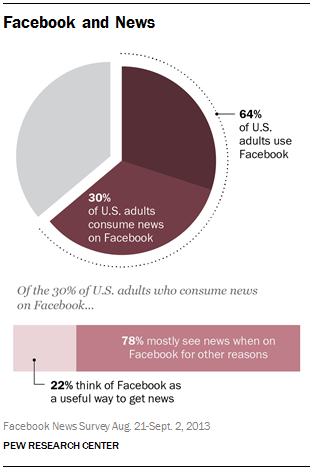
Source: Pew Research
UNILAD started as a student “lad culture” website and quickly evolved into a global platform with a significant social media presence. In fact, by 2016, it was named one of Facebook’s most popular pages, demonstrating its strong connection with its young, socially-engaged audience.
Is UNILAD Biased?
Based on Biasly’s evaluations, UNILAD is rated as Somewhat Left.
By examining content patterns and the broader context of media influence, we aim to offer a balanced perspective on UNILAD’s political bias—and contribute to the ongoing discussion about bias in the news.
How Does Biasly Rate News Sources?
Biasly uses proprietary algorithms and a team of analysts to provide comprehensive bias evaluations across thousands of news outlets. Over 200,000 articles from more than 3,200 sources have been analyzed to identify the most accurate and unbiased stories.
Biasly assigns each outlet three key scores:
- Reliability Score – Reflects factual accuracy
- AI Bias Score – Generated via natural language processing
- Analyst Bias Score – Assessed by human political analysts
These scores are based on seven core metrics: Tone, Tendency, Diction, Author Check, Selection/Omission, Expediency Bias, and Accuracy. These elements help analysts and algorithms evaluate the political attitude conveyed by each article.
Biasly’s Bias Meter ranges from -100% (most left) to +100% (most right), with 0% indicating neutrality. The system evaluates individual articles based on political terms, policies, figures, and sentiment to calculate precise bias ratings.
Is UNILAD Politically Biased?
UNILAD earns a Somewhat Left rating for its AI Bias Score and a Somewhat Left for its Analyst Bias Score. The Analyst Bias Score is generated by reviewers from liberal, moderate, and conservative backgrounds. Analysts reviewed UNILAD articles and noted preferences in some %_SOURCE_LIB_% policy topics. However, the outlet didn’t show bias in other areas.
This Bias score is determined through natural language processing that evaluates the tone, word choice, and opinion embedded in the reporting.
How to Evaluate Bias
Although Biasly rates UNILAD as Somewhat Left, it’s important to remember that bias can vary from article to article. This complexity underscores the importance of examining each article individually. So, let’s learn how to evaluate media bias.
Recognizing media bias requires awareness and critical thinking. Often, readers trust news sources that affirm their existing beliefs—a psychological tendency known as confirmation bias. This makes it harder to identify slanted narratives or one-sided reporting.
To address this, it’s essential to challenge your assumptions by consulting multiple perspectives and verifying information through third-party analysis. Tools like Biasly’s media bias ratings allow readers to compare the same news story across the political spectrum.
Ultimately, bias isn’t always a matter of what is said—it’s also about what is left out, how topics are framed, and which stories are chosen for coverage. Learning to recognize these patterns can help readers make more informed decisions and develop greater media literacy.
To start comparing news outlets and gain a better understanding of bias, sign up for Biasly’s Media Bias & News Analytics Platform to see how stories vary between sources.
UNILAD Reliability Overview
Is UNILAD Reliable?
UNILAD finds itself toward the middle of the spectrum, with neither high nor low accuracy. Its status as a local news outlet contributes to its moderate reputation for reliability.
At Biasly, we specialize in evaluating not just bias but also the reliability of media outlets. Let’s explore the accuracy and trustworthiness of UNILAD.
How to Evaluate Reliability?
Reliability refers to how trustworthy or accurate a news source is. If we can’t trust what we read, then continuing to consume content from that outlet serves little purpose. So how do we evaluate a news outlet’s reliability?
There are several key indicators of reliability to consider when assessing a media source. Red flags of an unreliable article can include wild, unsubstantiated claims, facts that depend on other unreliable sources, heavy use of opinionated language, and more. In contrast, hallmarks of a reliable source include:
- Absence of subjective language
- Citing credible sources (e.g., .gov, .edu, academic references)
- Verifiable facts and statistics from multiple outlets
- Use of primary sources, like interviews or transcripts
- Consistency with coverage across other platforms
Biasly’s reliability scores incorporate these elements in evaluating media outlets.
So How Does UNILAD Fare in Its Reliability?
The political reliability index developed by Biasly assesses both accuracy and trustworthiness. UNILAD currently holds Average Reliability Score, which is calculated as a weighted average of:
- Fact Analysis Score – Evaluates the accuracy of claims, facts, and evidence.
- Source Analysis Score – Assesses the number, diversity, and credibility of sources and quotes used.
UNILAD’s Source Analysis Score is Average at 57% Reliable. This suggests moderate trustworthiness in its sourcing practices. The score is AI-generated and considers quote length, frequency, diversity, and quality.
The Fact Analysis Score of UNILAD is Pending at N/A. This further shows how well UNILAD supports its claims, addresses selection and omission bias, and presents verifiable evidence.
While UNILAD leans toward factual reporting, occasional lapses such as unbalanced viewpoints or incomplete data can affect its reliability rating. These nuances emphasize the importance of analyzing individual articles.
UNILAD’s Accuracy and Reliability
According to Biasly’s analysis, UNILAD maintains Average Reliability Score, but individual articles may vary significantly. Let’s dive into the details.
Political orientation plays a crucial role in how audiences perceive reliability. UNILAD has been accused of favoring a liberal narrative, potentially at the expense of factual reporting. To validate such claims, it’s essential to analyze whether the publication backs its assertions with sufficient evidence and diverse viewpoints.
Two common types of bias that affect factuality include:
- Selection Bias – Highlighting or omitting stories to fit a particular narrative.
- Omission Bias – Leaving out differing perspectives or relevant details to skew perception.
Biasly’s accuracy ratings use a scale from 1% (least accurate) to 100% (most accurate). Factors include supporting evidence, reliable internal and external sources, and balanced viewpoints.
For example, Slate Magazine’s reliability is generally considered average to fair by independent media-bias analysis platforms like Biasly, which rates Slate with a Medium Left bias and an Average Reliability. This suggests that while Slate can provide factual information and thoughtful analysis, readers should be aware that its coverage often reflects a left-leaning perspective and may emphasize certain angles while omitting others, depending on the topic.
According to Pew Research data referenced by Biasly, perceptions of Slate’s credibility vary widely among audiences, with %_SOURCE_LIB_% readers tending to trust it more and %_SOURCE_CON_% readers expressing caution. Because of its opinionated commentary and selection of sources, Slate’s overall reporting is best understood as informational and interpretive rather than strictly neutral, and readers seeking fully balanced viewpoints may benefit from consulting a range of other sources as well.
So, is UNILAD Reliable?
Overall, UNILAD can be considered an outlet that is moderately reliabile. The site often prioritizes opinion-driven content, with variable sourcing and occasional editorial framing on sensitive international topics. While some claims are supported with evidence, consistency in sourcing and balance could be improved to meet stronger journalistic standards.
As media literacy improves, readers can more easily detect issues with selection bias, omission bias, and factuality. To strengthen your ability to assess reliability across the political spectrum, use Biasly’s News Bias Checker to compare how multiple outlets report the same story.
This empowers you to consume more accurate, balanced, and dependable news.
UNILAD Editorial Patterns
UNILAD’s coverage of political topics often reflects a Somewhat Left bias, with consistent patterns in phrasing, source selection, and thematic focus that are Slightly Liberal. While the publication demonstrates journalistic standards in many of its reports, the choice of issues, framing, and word usage can indicate a political slant. The editorial patterns of UNILAD show some bias, but also plenty of balanced reporting.
Coverage of Liberal vs. Conservative Topics
UNILAD doesn’t focus on major events. Their primary focus is on covering viral memes, videos, and trends. They also cover traditional entertainment media like movies and TV. Travel content is also pretty common on UNILAD.
When they do address major issues, their coverage centers primarily on mental health and animal rights, and their Somewhat Left lean is apparent. Since 2018, they’ve also had a separate section called UNILAD Tech, which focuses on technology news. They tend to cover technology issues from a balanced perspective.
Policy and Issue Framing
On traditional political issues, UNILAD can be all over the place. They cover issues from both a liberal and conservative perspective.
Issues that UNILAD shows the strongest bias towards the liberal narrative are border control, government regulation, and ICE. Generally speaking, these are not issues UNILAD covers often. However, ICE has been covered more by UNILAD since 2026.
Meanwhile, on issues such as government intervention and international involvement, UNILAD shows favoritism toward the conservative narrative. Neither of these issues is covered extensively by UNILAD. However, this does show that UNILAD is willing to take different positions depending on the issue at hand.
Coverage and Relevance
UNILAD’s reporting often touches on key issues central to modern pop culture, like memes, viral trends, and entertainment. As such, it serves as a compelling case study for examining source bias and news media bias in state-focused reporting.
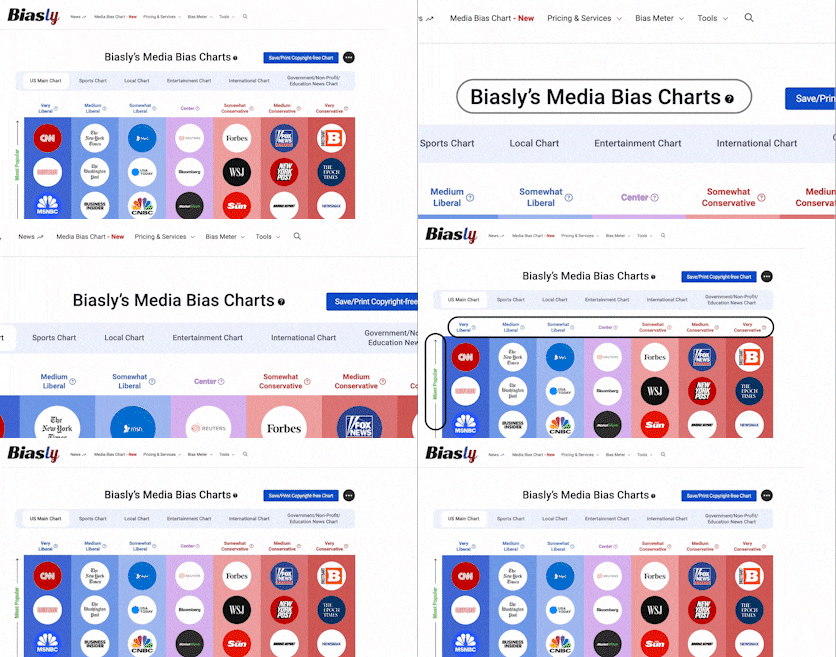
Readers who wish to further explore how UNILAD compares with other publications can visit Biasly’s Media Bias Chart to analyze tone and word choice in real time.
Funding and Ownership
Who Owns UNILAD?
Source: Wikimedia Commons
After Alex Partridge created UNILAD in 2010, the site experienced large growth. However, after 2016, the site struggled to grow and faced financial difficulties. LADbible purchased UNILAD in 2018. Alexander Solomou is the largest shareholder of the company, holding 41.6%. LADbible also runs other brands like SPORTSbible, GAMINGbible, and musician Tyla’s self-named clothing line.
Who Funds UNILAD?
UNILAD makes money through branded content. Companies like Cadbury’s, Warner Brothers, and Pokerstars have partnered with UNILAD. Branded content is a controversial practice in journalism, as some believe it can compromise a publication’s independence. Their content is always catered towards social media, which helps increase ad revenue, even from people who never visit the main site. Of course, they run ads on their website as well.
All content on UNILAD is free to view. However, they will sometimes license their content to other news companies for republication. This is especially true of video content.
Additional Insights
News Source Comparison
When comparing news sources, UNILAD is often evaluated alongside other entertainment outlets. Sources like Buzzfeed, Complex, and Vice Media often present similar tones and editorial philosophies. While UNILAD maintains a Somewhat Left media bias, it differs from strongly partisan sources in that it occasionally includes opposing viewpoints and strives for a balanced regional coverage.
This contrasts with more biased media outlets that consistently present one-sided narratives without factual counterpoints. Readers seeking balanced political coverage may compare UNILAD’s framing of issues with outlets rated as Center or Lean Right on our Media Bias Chart, or explore other regional papers on our Similar Sources page.
Notable Contributors and Authors
UNILAD features a diverse range of reporters and columnists, many of whom are deeply familiar with entertainment and culture.
Callum Jones is one of UNILAD’s most notable writers. He started as a freelance writer for Culture Dent in 2019. He was hired by UNILAD in 2022 as a full-time journalist. Jones has lots of experience writing about video games, but does write about hard news topics as well. He also writes for other LADbible publications.
Niamh Shackleton is another mainstay in the UNILAD lineup. She started her news career in 2017 as a News Intern at Manchester Evening News. She joined UNILAD in 2019 as a junior journalist. She left the company in 2021 to become a Digital News Reporter for OK! Magazine. She rejoined UNILAD in 2023 as a journalist and was promoted to senior journalist in December 2025.
Related Tools and Resource Pages
To better understand how UNILAD fits into the broader media landscape, we recommend exploring these helpful resources:
- Media Bias Chart: See where UNILAD ranks among hundreds of media outlets across the political spectrum.
- Political Bias Chart: Visualize political slants of news sources across various policy areas.
- Journalist Bias Analytics Platform: Explore how individual journalists contribute to bias within their publications.
- Politician Bias Analytics Platform: Compare how politicians are framed differently by UNILAD and other outlets.
- Media Literacy Education Platform: Learn how to critically assess media sources, bias techniques, and news reliability.
Frequently Asked Questions
UNILAD is rated as Somewhat Left based on Biasly’s media bias algorithm, which assesses sentiment, article framing, and policy favorability.
In the early days of UNILAD, they posted several controversial articles that were labeled as misogynistic. For example, one article claimed that 75 percent of women were “sluts” with no source. The site was temporarily shut down in 2012, but was brought back under new ownership in 2014. After 2014, they still relied on viral content, but a much more toned-down version.
In recent years, they’ve been champions of fighting misinformation. They helped lead a fight against COVID-19 misinformation.
Biasly uses a combination of AI sentiment analysis and human analyst review to assess tone, fact accuracy, source quality, and media bias indicators. Learn more on our Bias Meter page.
Generally, yes, though partisan framing and selective reporting can affect perceived reliability.
Military Spending
| Date | Sentiment | Associated Article | Snippet |
|---|---|---|---|
| 08/25/2019 | 75% For | Trump Family Detentions Flores Agreement (link) | So, of course, the Trump administration is doing the opposite in a baldfaced |