








Being involved in a vehicle collision near busy corridors like Tuckaseegee Road or I-485 in Charlotte, NC, is a stressful experience, especially when you feel the situation was caused by something you could not control. Many drivers wonder if a sudden breakdown, such as a tire blowout or brake failure, serves as a shield against liability.
In North Carolina, the rules regarding fault can be complex, and a mechanical issue does not automatically clear a driver of responsibility. Managing these regulations is an important step for anyone involved in such a situation. Consult with a qualified legal professional to assess how specific state statutes apply to your circumstances.
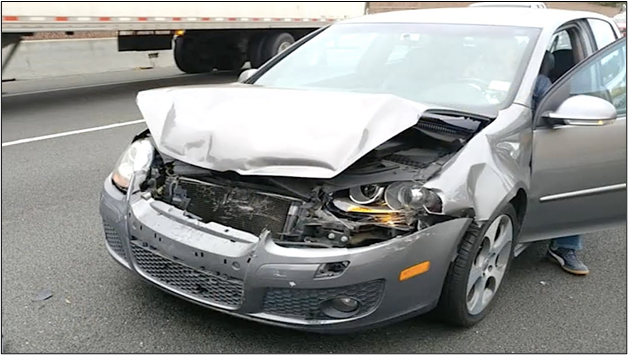
How do NC Laws View Mechanical Failure In Accidents?
In North Carolina, the law often looks at whether a driver acted with reasonable care. While a sudden, unforeseeable defect might seem like a valid defense, the courts generally require proof that the failure was truly unavoidable.
A Charlotte auto accident lawyer associated with Stewart Law Offices, a firm with decades of courtroom experience, can facilitate evaluating the specific circumstances of your situation to align with state standards for liability. North Carolina operates under the doctrine of contributory negligence. Under this common law rule, if a person is found even partially responsible for an incident, they may be barred from recovering damages. This makes it especially essential to establish a clear and well-documented account of fault before pursuing any claim.
Negligence Per Se
Sometimes, violating a safety statute is considered negligence per se, meaning the violation itself establishes the negligence element, removing the need to separately prove unreasonable conduct. If a vehicle lacks safety features required by state law, that violation may be treated as negligence per se, making it significantly more difficult for the owner to avoid liability for a resulting collision.
What Role Does Evidence Play In These Cases?
Proving that a mechanical failure was the true cause of an accident requires concrete documentation. Without physical proof, it is difficult to distinguish a genuine mechanical breakdown from a simple driver error.
Data from the Government Accountability Office highlights that vehicle condition is a contributing factor in only 2 to 7 percent of crashes nationwide. Furthermore, national statistics from the Insurance Institute for Highway Safety (IIHS) show that there were approximately 40,901 motor vehicle crash deaths in 2023. This underscores why individual vehicle maintenance remains a primary focus in liability disputes.
Spoliation Of Evidence
Spoliation occurs when evidence is lost, destroyed, or altered. In a collision case, if a party destroys potential evidence, the court may allow a jury to infer that the missing evidence would have been harmful to that party’s position. This is why preserving the vehicle and its components immediately is a priority.
E-Discovery Importance
Modern vehicles store significant data in electronic control units. This data can reveal vehicle speed, braking patterns, and system alerts at the time of the collision. Accessing this information often requires a formal process known as e-discovery. These digital logs often provide the clarity needed to determine if a mechanical system failed.
If important vehicle data is at risk of being lost, contact Brent Stewart and his legal team at Stewart Law Offices immediately at (704) 521-5000 or visit their Charlotte office at 2427 Tuckaseegee Rd, NC 28208, before evidence is compromised. If you are unable to visit the office, you may request that an attorney come to your location to discuss your case.
Why You Should Consider The Contributory Negligence Rule?
North Carolina follows the strict rule of contributory negligence. This means that if a person is found to be even 1% at fault, they may be prohibited from receiving compensation.
According to Christian Gerencir, a Charlotte car accident attorney, “In NC state, the margin for error is razor thin; when mechanical failures are involved, the burden remains on the driver to demonstrate that they upheld their duty of care, as even the slightest attribution of fault can close the door to recovery.”
When To Consult A Lawyer After A Mechanical Failure Accident?
Seeking legal guidance on time after a collision involving a suspected mechanical failure can significantly affect the direction of your case. An attorney can help preserve essential evidence, identify liable parties, and build a case that addresses North Carolina’s demanding contributory negligence standard.
Whether the failure stems from a manufacturing defect, poor maintenance, or an unforeseeable breakdown, legal counsel can assess which theory of liability applies. Waiting too long risks losing access to key vehicle data, witness accounts, and physical evidence that could otherwise support your position in court.
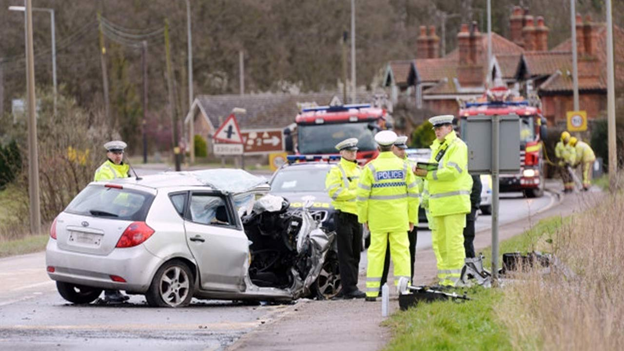
Commonly Asked Questions About Unexpected Failures
Does a mechanical failure automatically mean I am not at fault?
No, a mechanical failure does not guarantee you are absolved of fault, as you must still prove you exercised reasonable care and proper vehicle maintenance. North Carolina courts weigh the totality of circumstances before assigning or dismissing liability.
What happens if I cannot prove my vehicle failed?
If you cannot prove a mechanical defect caused the crash, the law may presume the accident resulted from driver error, which could negatively impact your claim. This is why securing specialized testimony and physical evidence early in the process can make a measurable difference in the outcome.
Can I still recover damages if I was partially at fault?
In North Carolina, the strict contributory negligence rule generally prevents recovery if you are found to be even partially at fault for the accident. Even a minor lapse in vehicle upkeep could be used to argue shared responsibility and bar you from receiving any compensation.