




Do contradicting interests between wealthy and emerging economies weaken the G20?
- Bias Rating
- Reliability
35% ReliableAverage
- Policy Leaning
42% Medium Right
- Politician Portrayal
N/A
Continue For Free
Create your free account to see the in-depth bias analytics and more.
By creating an account, you agree to our Terms and Privacy Policy, and subscribe to email updates.
Bias Score Analysis
The A.I. bias rating includes policy and politician portrayal leanings based on the author’s tone found in the article using machine learning. Bias scores are on a scale of -100% to 100% with higher negative scores being more liberal and higher positive scores being more conservative, and 0% being neutral.
Sentiments
33% Positive
- Liberal
- Conservative
| Sentence | Sentiment | Bias |
|---|---|---|
Unlock this feature by upgrading to the Pro plan. | ||
Reliability Score Analysis
Policy Leaning Analysis
Politician Portrayal Analysis
Bias Meter
Extremely
Liberal
Very
Liberal
Moderately
Liberal
Somewhat Liberal
Center
Somewhat Conservative
Moderately
Conservative
Very
Conservative
Extremely
Conservative
-100%
Liberal
100%
Conservative
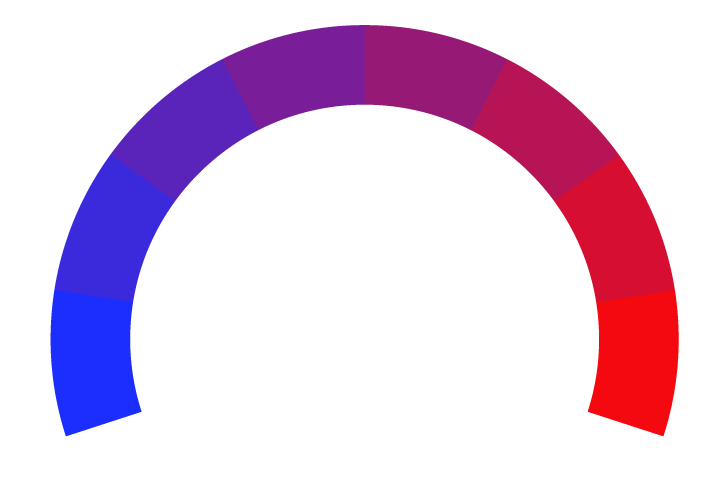
Contributing sentiments towards policy:
57% : The G20 endorses tax reform in principle, but the language remains broad because binding commitments would undermine the advantages enjoyed by the wealthiest member states.54% : Another area where G7 interests dilute G20 sincerity is global taxation.
50% : G7 nations regularly call for ambitious carbon reduction targets, yet continue financing fossil fuel projects, protecting carbon-intensive industries, and imposing environmental standards that place disproportionate burdens on poorer economies.
42% : It needs climate financing that is delivered, debt that is restructured, financial institutions that are reformed, and global tax rules that stop leakage from poorer economies.
40% : Efforts to coordinate a global minimum tax and crack down on illicit financial flows have stalled because they threaten the financial systems of rich countries that host multinational headquarters and tax havens.
35% : Africa, home to 1.3 billion people, still lacks permanent representation at the UN Security Council.
*Our bias meter rating uses data science including sentiment analysis, machine learning and our proprietary algorithm for determining biases in news articles. Bias scores are on a scale of -100% to 100% with higher negative scores being more liberal and higher positive scores being more conservative, and 0% being neutral. The rating is an independent analysis and is not affiliated nor sponsored by the news source or any other organization.