




Japan Tourism Faces Overcrowding Concerns Amid Rising Low-Cost Visitors: Overtourism and Shifting Consumption Patterns Threaten Local Experiences - Travel And Tour World
- Bias Rating
- Reliability
15% ReliableLimited
- Policy Leaning
-10% Center
- Politician Portrayal
N/A
Continue For Free
Create your free account to see the in-depth bias analytics and more.
By creating an account, you agree to our Terms and Privacy Policy, and subscribe to email updates.
Bias Score Analysis
The A.I. bias rating includes policy and politician portrayal leanings based on the author’s tone found in the article using machine learning. Bias scores are on a scale of -100% to 100% with higher negative scores being more liberal and higher positive scores being more conservative, and 0% being neutral.
Sentiments
18% Positive
- Liberal
- Conservative
| Sentence | Sentiment | Bias |
|---|---|---|
Unlock this feature by upgrading to the Pro plan. | ||
Reliability Score Analysis
Policy Leaning Analysis
Politician Portrayal Analysis
Bias Meter
Extremely
Liberal
Very
Liberal
Moderately
Liberal
Somewhat Liberal
Center
Somewhat Conservative
Moderately
Conservative
Very
Conservative
Extremely
Conservative
-100%
Liberal
100%
Conservative
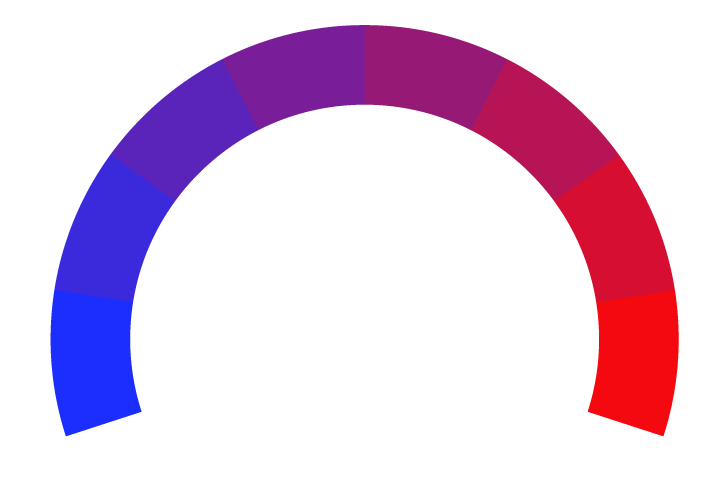
Contributing sentiments towards policy:
55% : The funds collected from this tax would also be used to reduce passport fees for Japanese citizens, creating a dual benefit that seeks to balance the needs of both tourists and the local population.52% : A proposal to raise the international tourist tax has been put forward, which would see the current rate of ¥1,000 ($6) rise to ¥3,000 ($19) per traveller.
51% : This tax would help fund measures designed to mitigate the impact of overcrowding on local communities and the environment.
48% : An important first step in resolving these issues is the government's proposed reforms, which include a higher tax on foreign visitors.
*Our bias meter rating uses data science including sentiment analysis, machine learning and our proprietary algorithm for determining biases in news articles. Bias scores are on a scale of -100% to 100% with higher negative scores being more liberal and higher positive scores being more conservative, and 0% being neutral. The rating is an independent analysis and is not affiliated nor sponsored by the news source or any other organization.