









How News Sources Portray North Korea Sanctions Policy
This chart shows how major news sources across the ideological spectrum frame north korea sanctions policy, from left to right-leaning perspectives.















Many of the media biases we observe, whether in news coverage or political rhetoric, stem from fundamental differences in policy perspectives held by major political parties. One of the many key points of conflict is the North Korea Sanctions.
North Korea sanctions refer to “the trade restrictions imposed on North Korea for violating nuclear weapons treaties.” Nuclear warfare has long remained a nightmare for those all around the world, and with North Korea’s advancement into the Nuclear age, the threat of nuclear annihilation grows ever closer.
U.S. policy on North Korea has been a defining element of foreign policy legislation for decades, shaped by global security concerns and human rights advocacy. This foreign policy debate in particular remains one of the few international issues that generates concern between both political parties, sharing a sense of urgency when it comes to North Korea’s nuclear capabilities and authoritarian leadership.
The Democratic Stance on North Korea Sanctions
The Democratic policy stance on North Korea sanctions emphasizes policy enforcement alongside diplomacy. The party advocates for strong U.S. sanctions on North Korea while considering the possibility of peace talks rather than continuous punishment. Democrats often call for the U.S. to work closely with the United Nations and other countries to ensure sanctions are fair and effective.
In addition, Democrats emphasize protecting the innocent North Korean citizens who suffer because of their government’s choices, alongside a lack of resources and increasing poverty. They also tend to support humanitarian exceptions, such as food and medicine. The party’s goal is to use sanctions to stop nuclear development while leaving the door open for negotiation and humanitarian aid. Their approach values long-term stability through communication and trust-building, believing U.S. foreign policy should protect human rights even in the face of an authoritarian government.
Politicians Who Support North Korea Sanctions
The threat of North Korean nuclear weapons is seen as a major threat by 79% of Democrats.
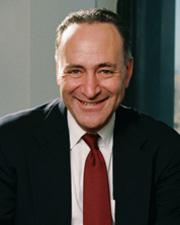
Charles E. Schumer
“Sanctions relief by the U.S. and our allies should be dependent on dismantlement and removal of North Korea's nuclear weapons and ballistic missile programs. Any deal that explicitly or implicitly gives North Korea sanctions relief for anything other than the verifiable performance of its obligations to dismantle its nuclear and missile arsenal is a bad deal.”
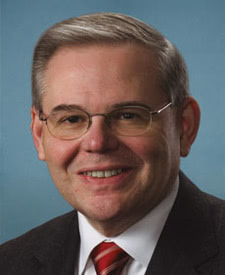
Robert Menendez
“At a dangerous time when the threat of North Korea continues to mount, this important bipartisan legislation will impose additional sanctions on North Korea's ability to generate revenue to fund its unlawful WMD programs... This bipartisan bill will go a long way in advancing peace and security in the Indo-Pacific by expanding and tightening enforcement of sanctions for North Korea's nuclear and ballistic missile development and other destructive activities of the Kim regime.”
The Republican Stance on North Korea Sanctions
Just like the Democratic Party, the Republican stance on North Korea largely supports imposing sanctions. They believe that North Korea’s dictatorship emphasizes strength and power over negotiation, and that the only way to stop its nuclear activities is through sanctions. Republicans see sanctions as a powerful act, and removing them would be considered showing weakness without a solution.
The Republican Party connects this issue to broader foreign policy goals, specifically regarding China and Russia, which often help ensure political stability in North Korea as the country evades sanctions. This idea centers on deterrence and toughness when defending America’s national security interests through power and pressure, not compromise.
Politicians Who Support North Korea Sanctions
The threat of North Korean nuclear weapons is seen as a major threat by 87% of Republicans.
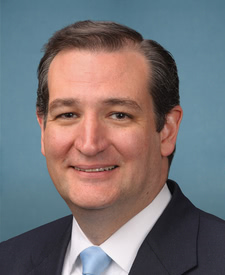
Ted Cruz
“The passage of sanctions on North Korea, Russia, and Iran sends a clear message to our foes that the United States will hold them accountable for their harmful and destabilizing behavior. ... It was a mistake for North Korea to be removed from the list of state sponsors nine years ago, and the rogue regime in Pyongyang has only grown more hostile toward America and our allies, more engaged in illicit proliferation around the world, and more committed to destabilizing the Asia-Pacific region ever since.”
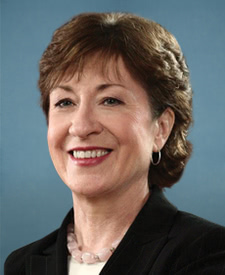
Susan M. Collins
“Given the credible and serious threat North Korea poses to our country, and in particular to U.S. forces and our allies in the region, I welcome the Administration's success in securing new economic sanctions against North Korea at the UN. The unanimous passage of these strict sanctions, the economic pressure they will exert on North Korea, and the fact that the Chinese government voted for the sanctions are significant developments that I hope will lead Kim Jong Un to curtail his extremely dangerous and destabilizing pursuit of nuclear weapons.”
Policy on North Korea Sanctions in the United States
The main goal of North Korea sanctions is to prevent nuclear weapons from being developed while keeping peace in Asia and the rest of the world. This fear of North Korea and its nuclear arsenal was felt by Congress as well, as shown by their passing of H.R. 757, which placed numerous sanctions on North Korea as well as penalties if any nation were to trade with them. This bill passed the Senate and the House almost unanimously, thus showing the American fear of North Korea and its nuclear arsenal.
While oftentimes there are party disagreements as to whether something is a threat or not, the threat of North Korean nuclear weapons is seen as a major threat by 79% of Democrats and 87% of Republicans. By placing sanctions on North Korea, funding for these programs is cut short, pushing the regime toward disarmament. Despite this, sanctions are often seen as ineffective because China and Russia secretly trade with it and ensure its stability.
U.S. agencies remain enforcing economic sanctions on North Korea, showing a commitment to protecting allies and stopping nuclear threats.
A Brief History of North Korea Sanctions in the U.S.
North Korea sanctions have escalated more recently than ever before, but restrictions and sanctions have been implemented since the Korean War in the 1950s. Initially, these restrictions targeted trade and aid to prevent the regime from rebuilding its military strength. However, after decades passed, the Democratic People’s Republic of Korea became increasingly isolated, and the country began testing nuclear weapons and long-range missiles. Sanctions became stricter, and many countries aside from the U.S. joined the effort.
Since 2006, multiple resolutions have been passed by the UN Security Council for North Korea’s actions with nuclear weapons. The United States and other countries also imposed unilateral sanctions. In 2016, the North Korea Sanctions and Policy Enhancement Act became one of the toughest U.S. laws on the issue, sanctioning anyone involved in activities including weapons of mass destruction.
Additionally, the Countering America’s Adversaries Through Sanctions Act (CAATSA) in 2017 imposed further sanctions on North Korea, Iran, and Russia, prohibiting certain types of U.S. assistance to foreign governments that aid North Korea. Nowadays, current sanctions on North Korea block almost all trade, banking, and fuel supplies, making it harder for the regime to fund its military projects.
What the Future Holds
The future of North Korean sanctions largely depends on the government and how it deals with the situation in the Asian country. With growing support from other authoritarian regimes, sanctions become less and less effective as nuclear programs continue to grow and create global concerns.
As tensions rise, the U.S. might impose even stricter sanctions on North Korea or establish new methods to block illegal funding. While some politicians might prefer negotiations and peace talks, others continue to push for a more powerful strategy. The issue now is whether sanctions alone can actually prove effective and deter North Korea from continuing its nuclear activities. The main challenge is to advocate for future sanctions and resolutions that can protect global security while ensuring diplomacy and peace.
To explore how each political party views other key policy topics, visit Biasly’s full list of Political Party Policy Stances.
To unlock more data-driven insights into media bias, explore political leanings with research-backed tools, and customize your news feed around what matters most to you, sign up for a Biasly Premium News Membership.
