









How News Sources Portray Planned Parenthood Policy
This chart shows how major news sources across the ideological spectrum frame planned parenthood policy, from left to right-leaning perspectives.











Support for Planned Parenthood, an organization centered on providing reproductive care including contraception and abortion services, is relatively partisan. Polling indicates that 89% of Democrats view Planned Parenthood positively, compared to only 36% of Republicans. Further polling shows that 63% of Republicans would support defunding Planned Parenthood, while only a marginal 7% of Democrats would. Planned Parenthood is mentioned in both the Democratic and Republican 2016 party platforms; the Democratic Party commits to protect federal funding of Planned Parenthood, while the Republican Party expresses the desire to cut its funding.
Democratic Stance on Planned Parenthood
Democrats generally support Planned Parenthood as a provider of reproductive and preventive healthcare, including contraception, cancer screenings, STI testing, and abortion services. That support is reflected clearly in public opinion data: 89% of Democrats view Planned Parenthood positively, while only 7% of Democrats support defunding it, according to the figures cited on Biasly’s Planned Parenthood policy page. This broad support aligns with the Democratic Party’s longstanding position that reproductive healthcare access should remain protected, particularly for low-income patients and women who rely on Planned Parenthood clinics for routine care.
In policy terms, Democrats have generally defended continued federal funding for Planned Parenthood and opposed Republican-led efforts to restrict or eliminate that funding. The 2016 Democratic Party Platform explicitly states that Democrats will continue to stand up to efforts to defund Planned Parenthood health centers, framing those clinics as an essential part of the healthcare safety net. This position reflects a broader Democratic belief that reproductive care is a healthcare right and that institutions providing such care should remain accessible and publicly supported.
More broadly, Democrats tend to view Planned Parenthood through the lens of healthcare access, gender equality, and reproductive rights. In that view, support for the organization is not limited to abortion policy alone, but extends to the larger principle that people should have access to affordable reproductive and preventive medical services without political interference.
Politicians Who Support Planned Parenthood


Kamala Harris
“Breast cancer screenings, contraceptive care. That is the kind of work that happens here, in addition of course to abortion care... Walking through this clinic, that's what I saw, are people who have dedicated their lives to the profession of providing health care in a safe place that gives people dignity. And I think we should all want that for each other.”
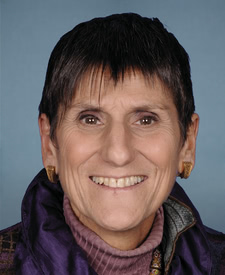
Rosa L. DeLauro
“Planned Parenthood provides 2.7 million people with life-saving care. For many low-income families, Planned Parenthood is the only way to get care. The politicians who are attacking Planned Parenthood are not just attacking women's access to affordable health care – they are attacking women's access to supportive, caring health care providers who make a difference in their patients' lives every single day.”
Republican Stance on Planned Parenthood
Republicans generally oppose public funding for Planned Parenthood, primarily because of the organization’s connection to abortion services. That opposition is also reflected in polling: only 36% of Republicans view Planned Parenthood positively, while 63% of Republicans support defunding it, according to the figures cited on Biasly’s Planned Parenthood policy page. While some Republicans acknowledge that Planned Parenthood provides non-abortion healthcare services, many argue that no taxpayer money should go to an organization associated with abortion provision.
This view has been reflected repeatedly in Republican platform language and legislative priorities. The 2016 Republican Party Platform expressed support for cutting Planned Parenthood’s federal funding, consistent with the party’s broader pro-life commitments. Republican lawmakers have also advanced repeated federal and state efforts to block Medicaid reimbursements or other forms of government support for Planned Parenthood clinics, arguing that those funds should instead go to providers that do not perform abortions.
More broadly, Republicans tend to frame the Planned Parenthood debate as part of a larger moral and fiscal argument about abortion, religious conscience, and the appropriate use of public funds. In that framework, opposition to Planned Parenthood is not only about one organization, but about limiting state support for institutions involved in abortion services and redirecting healthcare funding toward alternatives more consistent with conservative social values.
Politicians Who Oppose Planned Parenthood
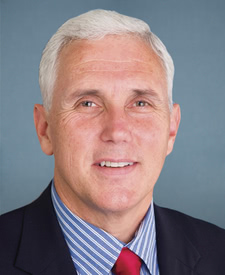
Mike Pence
“The days of public funding for Planned Parenthood are over when the Trump-Pence administration arrives in Washington D.C. ... We will defend the sanctity of life and ensure that no taxpayer dollars are used to fund abortion providers.”
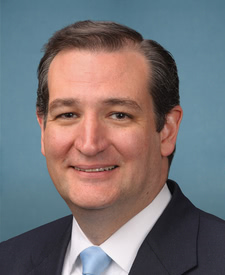
Ted Cruz
“With every new video released showing Planned Parenthood’s degenerate business that benefits from the taking of innocent life, we are reminded that our fight to save and protect these lives is far from over. ... No organization that profits from terminating innocent human life should receive one penny of taxpayer money and those who are engaging in these likely criminal activities must and will be held to account.”
Political Implications
Planned Parenthood has long served as one of the clearest markers of partisan division on reproductive policy in the United States. The fact that 89% of Democrats view the organization positively while only 36% of Republicans do, according to Biasly’s cited figures on its policy page, shows how deeply the issue is tied to party identity. Similarly, the split between just 7% of Democrats supporting defunding and 63% of Republicans supporting it underscores that the debate is not simply about one healthcare provider, but about fundamentally different views on abortion, public funding, and women’s healthcare.
These divisions have major implications for elections, judicial politics, and legislative agendas. For Democrats, defending Planned Parenthood reinforces the party’s alignment with reproductive rights advocates and its broader message around healthcare access and bodily autonomy. For Republicans, efforts to defund Planned Parenthood remain an important part of the party’s pro-life platform and a visible way to signal opposition to abortion-related public funding. Because of this, Planned Parenthood often becomes a focal point in larger political battles over abortion law, Medicaid, Title X funding, and state-level healthcare restrictions.
The organization also carries symbolic political weight beyond its direct services. Support for or opposition to Planned Parenthood frequently serves as a stand-in for broader attitudes toward reproductive freedom, the role of religion in public policy, and the extent to which government should fund contested medical services. That has made it one of the most durable flashpoints in modern party politics.
What the Future Holds
The future of Planned Parenthood as a political issue will likely remain closely tied to the broader national debate over abortion and reproductive healthcare. Since the fall of Roe v. Wade, state-level restrictions and funding battles have intensified, making Planned Parenthood’s role even more politically salient in both legislatures and courtrooms. Ongoing efforts to restrict or preserve access to reproductive care will likely continue to shape how both parties position themselves on the issue, especially in competitive states and federal elections. Recent legislative efforts, such as H.R. 271 in the 119th Congress, show that attempts to defund Planned Parenthood remain active in national politics.
For Democrats, Planned Parenthood is likely to remain a core institution in the party’s defense of reproductive rights and healthcare access. For Republicans, opposition to funding the organization is likely to remain a central component of pro-life policymaking and a priority for social conservatives. As a result, Planned Parenthood will probably continue to serve as both a practical healthcare policy issue and a symbolic dividing line between the parties.
In the longer term, the debate may increasingly center on state funding rules, federal healthcare reimbursements, and the legal boundaries of abortion-related services rather than on the organization alone. Still, because Planned Parenthood sits at the intersection of healthcare, abortion, and public morality, it is likely to remain a politically charged issue for the foreseeable future.
