




-4% Center
Bias Meter
Extremely
Liberal
Very
Liberal
Somewhat Liberal
Center
Somewhat Conservative
Very
Conservative
Extremely
Conservative
-100%
Liberal
100%
Conservative

Biasly determines media bias ratings through a dual-layered approach combining artificial intelligence and analyst review. The platform’s proprietary bias detection engine, Bias Meter, evaluates sentiment, policy position alignment, and language framing across thousands of data points in news articles. Analysts then verify and interpret the AI’s findings, providing additional context where needed. Learn more about ratings
- Profile
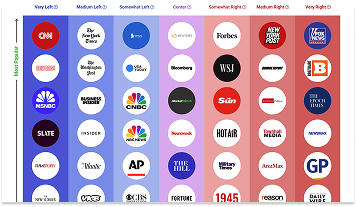
CBS Sports on the media bias chart
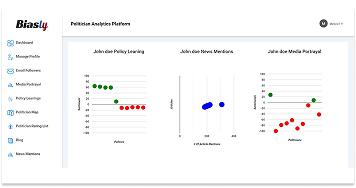

CBS Sports has a Bias Score of -4% Center which is based on a variety of factors including its policy and politician leanings, article ratings, and the use of biased language. Its Reliability is rated as Average, and additional analytical insights are available in the other tabs.

- Bias Rating
-4% Center
- Reliability31% Reliable AveragePolicy Leanings
-2% Center
Extremely
LiberalVery
LiberalModerately
LiberalSomewhat Liberal
Center
Somewhat Conservative
Moderately
ConservativeVery
ConservativeExtremely
Conservative-100%
Liberal100%
Conservative
Average Reliability
*Our bias meter rating uses data science including sentiment analysis, machine learning and our proprietary algorithm for determining biases in news articles. Bias scores are on a scale of -100% to 100% with higher negative scores being more liberal and higher positive scores being more conservative and 0% being neutral. The rating is an independent analysis and is not affiliated nor sponsored by the news source or any other organization.
Politician Portrayal45% negative
Continue For Free
Create your free account to see the in-depth bias analytics and more.
By creating an account, you agree to our Terms and Privacy Policy, and subscribe to email updates.
Log In
Log in to your account to see the in-depth bias analytics and more.
Policy Leanings Analysis
Policy | Bias score |
|---|
CBS Sports Editorial Patterns
CBS Sports’s coverage of political topics often reflects a Center bias, with consistent patterns in phrasing, source selection, and thematic focus that are Neutral. The source demonstrates reliable standards for most of its sports articles. Sometimes, word choice and political framing can indicate a slight left-leaning slant in the platform’s publications. This article will examine how CBS Sports handles liberal vs. conservative issues, certain bias metrics within articles, and how language choices and editorial tendencies are used within this media institution.
Coverage of Liberal vs. Conservative Topics
CBS Sports does not often feature explicit political content, so there are not many instances of coverage related to this topic. Biasly has analyzed that CBS Sports has a “Center” bias. For more information about how explicitly political news sources cover liberal vs. conservative topics in their articles, visit Biasly’s Media Bias Rating page.
One of the very few instances of political discussion on CBS Sports occurred in an article discussing Chris Kluwe’s stance on gay marriage. The former professional football player wrote a left-leaning letter to Delegate Emmett C. Burns Jr., disagreeing with his stance on gay marriage. The article claims, “
And it segued quite nicely into the same-sex marriage issue, because I firmly believe that people are people and deserve, you know, the same as everyone else.”
Whether or not you agree with his stance, the interview’s worth watching.”
The language the author uses immediately after he quotes the ex-football player helps clarify why CBS Sports is ranked low in bias in either direction. The last line quoted above suggests that the author is not taking a stance, but the article’s stance leans left. When the source does bring up politics, the topics lean leftward to a slight degree.
Policy and Issue Framing
In a separate CBS Sports article by Bill Reiter, there is a more specific framing of political issues. The article explores Colin Kaepernick’s political stance on the police and the author’s perspective on athletes’ political involvement. In this uncharacteristically biased article, the author claims, concerning a political statement by Lebron James, “
“You might hate it, or his politics, but we should commend him. And not only because I fervently agree with his view, and the remarkable stakes at play in this election.”
This sports writer’s opinions about the stakes of a particular election are not substantiated by any evidence, proving a degree of unreliability. Additionally, although the article covers some right-leaning stances, the author makes his bias clear and discusses the intersection of sports and politics as inevitable. The author frames the issue as such:
“You don’t like or want your politics hanging out with your sports? You see that as a violation of your personal escapism, or just a cross-pollination that simply doesn’t belong together? That’s fair. It’s reasonable. But you’re going to have to get used to it anyway.”
This author, framing the issue as inevitable, is thus allowed to intersect his own opinions and bias into the article, demonstrating a framing bias.
Besides the generally slight leftward tilt in CBS Sports’s publications, some specific stances on policies have been made in articles, exemplifying this. For example, as previously discussed, Chris Kluwe’s stance on gay marriage was made clear, which was socially liberal.
Not many specific declarations of a policy stance have occurred in CBS Sports’s articles, meaning there are few examples of outward policy stance bias. There are certainly instances of selection or omission bias towards certain politicians, as further examined below. For instance, when championship teams or players express negative opinions about Donald Trump, these beliefs are printed without much critique when compared to how conservative viewpoints are analyzed.
Coverage and Relevance
CBS Sports’s reporting, when not sports-centered, occasionally discusses the intersection between sports and politics. Examples of topics include events or relationships between sports figures and politicians, individual athletes’ stances, and political funding from athletes or related owners.
Readers who wish to further explore how CBS Sports compares with other publications can visit Biasly’s Media Bias Chart to analyze tone and word choice in real time.
CBS Sports Bias Analysis
Since CBS Sports is primarily accessible online and on TV, the findings of this graphic from Pew Research represent good news for the network. Most of their content comes from their website or TV channel, the two most popular media consumption channels.
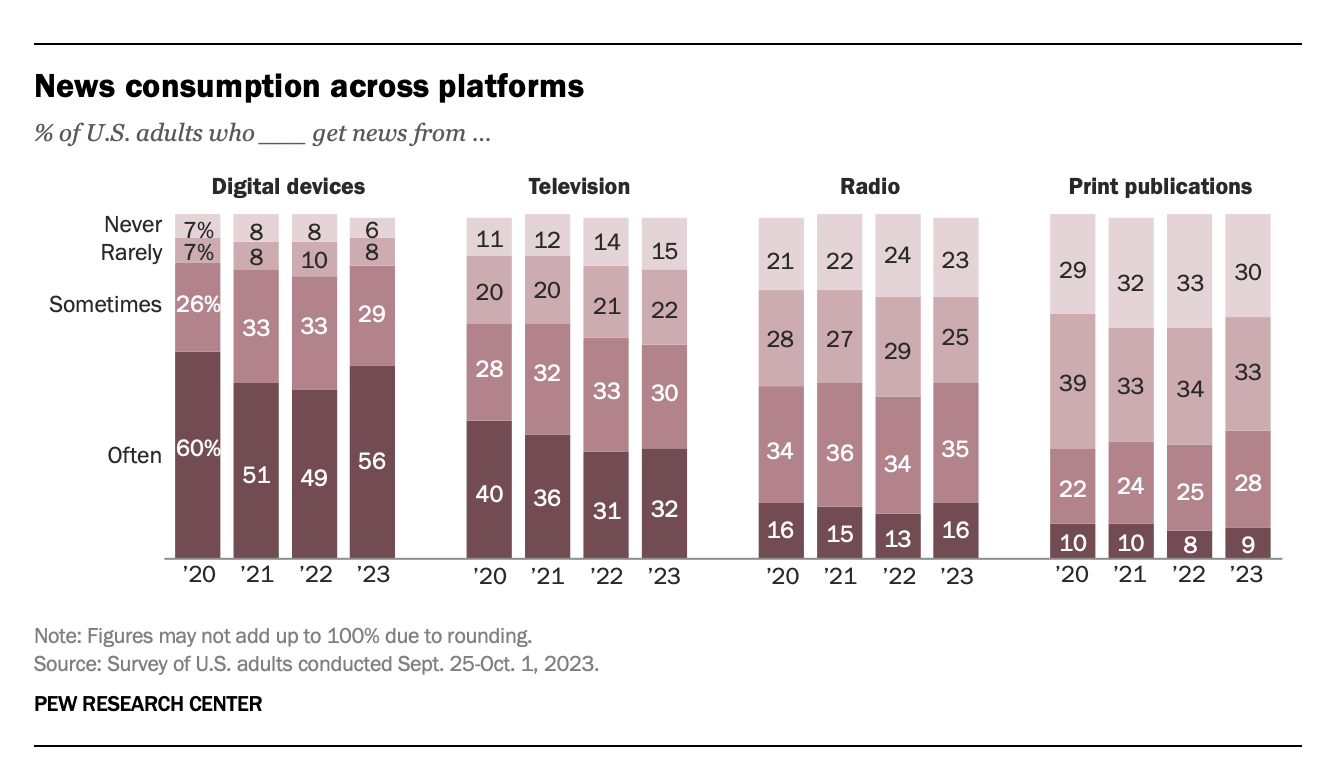
Source: Pew Research
Given its popularity, bias certainly comes into question when considering the overall trustworthiness of CBS Sports Network. In this article, we will analyze their coverage of certain topics and events to determine whether there is any political bias in their reporting.
Through our analysis, we hope to answer the following question: despite being a network that’s primarily dedicated to covering athletes, games, and scores, does CBS Sports have any political bias? We’ll turn to Biasly for some help.
Is CBS Sports Biased?
Based on Biasly’s evaluations, CBS Sports is rated as Center.
By examining content patterns and the broader context of media influence, we aim to offer a balanced perspective on CBS Sports’s political bias—and contribute to the ongoing discussion about bias in the news.
How Does Biasly Rate News Sources?
Biasly uses proprietary algorithms and a team of analysts to provide comprehensive bias evaluations across thousands of news outlets. Over 200,000 articles from more than 3,200 sources have been analyzed to identify the most accurate and unbiased stories.
Biasly assigns each outlet three key scores:
- Reliability Score – Reflects factual accuracy
- AI Bias Score – Generated via natural language processing
- Analyst Bias Score – Assessed by human political analysts
These scores are based on seven core metrics: Tone, Tendency, Diction, Author Check, Selection/Omission, Expediency Bias, and Accuracy. These elements help analysts and algorithms evaluate the political attitude conveyed by each article.
Biasly’s Bias Meter ranges from -100% (most left) to +100% (most right), with 0% indicating neutrality. The system evaluates individual articles based on political terms, policies, figures, and sentiment to calculate precise bias ratings.
Is CBS Sports Politically Biased?
CBS Sports earns a Center rating for its AI Bias Score and a Center for its Analyst Bias Score. The Analyst Bias Score is generated by reviewers from liberal, moderate, and conservative backgrounds. Biasly’s rating for CBS Sports is based on two scores, one from its computer algorithms, which are based on Artificial Intelligence, and one from its Analysts. Biasly rated CBS Sports as Center and no Analyst Bias Score, meaning the network can be considered fairly unbiased, politically centered, and without enough political content to gather an analyst score.
Of course, this score, like all others, deserves a closer look to be truly understood. Biasly’s A.I. score was Center-Left, meaning CBS Sports has the slightest of leans to the right. This lean is so minor that it’s unlikely to ever be noticeable.
In the absence of an analyst bias score, the most probable explanation is a lack of thorough analysis, likely due to a lack of politically oriented articles. After all, CBS Sports isn’t meant to cover politics, and they do so very rarely.
Analyst scores are based on an average of at least 15 articles. Each article is reviewed by one liberal, one moderate, and one conservative analyst. The more articles rated by Bialsy’s analyst team from one source, the more accurate the analyst score is for that source. In this case, so few politically relevant articles exist from CBS Sports that there is no analyst score. Let’s take a deeper dive into the potential bias of this network, rather than relying on an analyst score.
Before we begin, we need to discuss bias. Bias is a natural function of the human mind, and we can express it both consciously and unconsciously. Bias is one of the most fundamental forms of pattern recognition in humans. This isn’t to lower the bar and say that “all things are biased,” but to explain the process by which we may come to trust certain news organizations that display patterns of coverage.
On the media’s part, there is an incentive to retain audiences, encourage them to purchase subscriptions, and rate products positively. Bias is a two-way street; people want to see news stories about things they care about, and the media needs viewers to continue their operations. This creates a positive feedback loop that influences what stories are covered and from what perspective. This also explains the actions of more liberal news organizations.
Analysis of Bias in CBS Sports Online Articles
When determining bias, the bulleted list below details the metrics Biasly follows. These are the primary metrics we’ll focus on when discussing bias.
- Tone: The attitude displayed in the writing, related to the author’s word choices or diction.
- Diction: The words chosen by the author.
- Author: Relates to the article’s author, considering their history of stance on issues based on past articles and social media posts.
- Tendency: Measures how consistently an author shows bias in their work, including factors like their tone and perspective.
- Expediency Bias: Initial impressions created by concepts like the article’s headline, images, or summary, indicating if they favor a particular viewpoint.
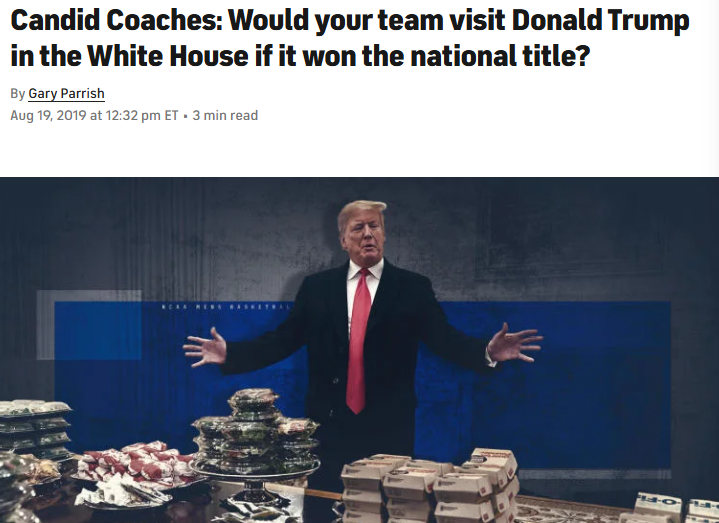
With that being said, let’s view some political articles from CBS Sports and evaluate them within these five categories. Here’s an excerpt from an article they published in 2019, called “Candid Coaches: Would Your Team Visit Donald Trump in the White House if it Won the National Title?” which discusses a disinterest shared by many college basketball coaches in visiting the Trump White House. As you can see, the question proposed in the article title above is inherently biased against Trump. Additionally, the image appears dark and negative of Trump at the White House.
This article discusses sports and politics, mentioning President Trump and the team that refused to visit the White House.
“Virginia coach Tony Bennett created headlines in April when he announced, just weeks after winning the national championship, that his Cavaliers would not be visiting the White House. The official explanation was that “it would be difficult, if not impossible, to get everyone back together.” But when you consider that teams in similar situations, literally for decades, managed to figure it out, well, that explanation doesn’t suffice. Plus, it should be noted that when Virginia raises its championship banner in September, every player from its championship team is expected to attend the ceremony — which suggests it’s not actually impossible to get everybody back together if everybody wants to get back together. Simply put, the Cavaliers just didn’t want to go to the White House. President Trump is obviously the reason.”
One of the first things to consider is diction: Is the author, Gary Parrish, using words that indicate pro-Trump or anti-Trump bias? To a certain extent, it seems as though he’s making assumptions about Trump that present him in a negative light. Parish states that
“President Trump is obviously the reason” a team skipped out on their White House invite, even though the team’s coach had already offered an explanation that suggested otherwise.
The author clearly has his own preconceived notions, and his word choice suggests some level of disdain for Trump. A similar explanation applies to his tone in this article.
“The majority of coaches we spoke with either despise the man or understand he’s despised by so many, so intensely, that visiting him would create a public perception they’d rather avoid.”
Using words like “despise” demonstrates a negative tone from the author, who chooses to act on his own interpretations rather than citing a coach who was surveyed for this article.
Additionally, a quick Google search of Parrish reveals more about his political beliefs. His Twitter feed features some anti-Trump content, or at least content that insinuates anti-Trump bias. In terms of tendency, however, there isn’t much to be said, as he rarely covers politics in his writing.
The President of the United States just described some people who marched with neo-Nazis and white supremacists as “very fine people.” https://t.co/6llJUyPDAb
— Gary Parrish (@GaryParrishCBS) August 15, 2017
The article’s headline is not biased, but the picture of Trump serving fast food could be designed to paint him in a negative light. This suggests there may be some expediency bias in Parrish’s piece.
It’s worth noting that this is just one article, and it doesn’t reflect CBS Sports as a whole. If anything, this article is just used to highlight how Biasly encourages readers to assess bias. This article is not the standard; it is an exception. Biasly’s official assessment of CBS Sports suggests that they have little bias, given the largely sports content.
There are some minor biases in both directions within the network’s content. These instances are insignificant and tend to balance each other out. While the article included above highlights some potential left-leaning bias, there are a few that show the opposite.
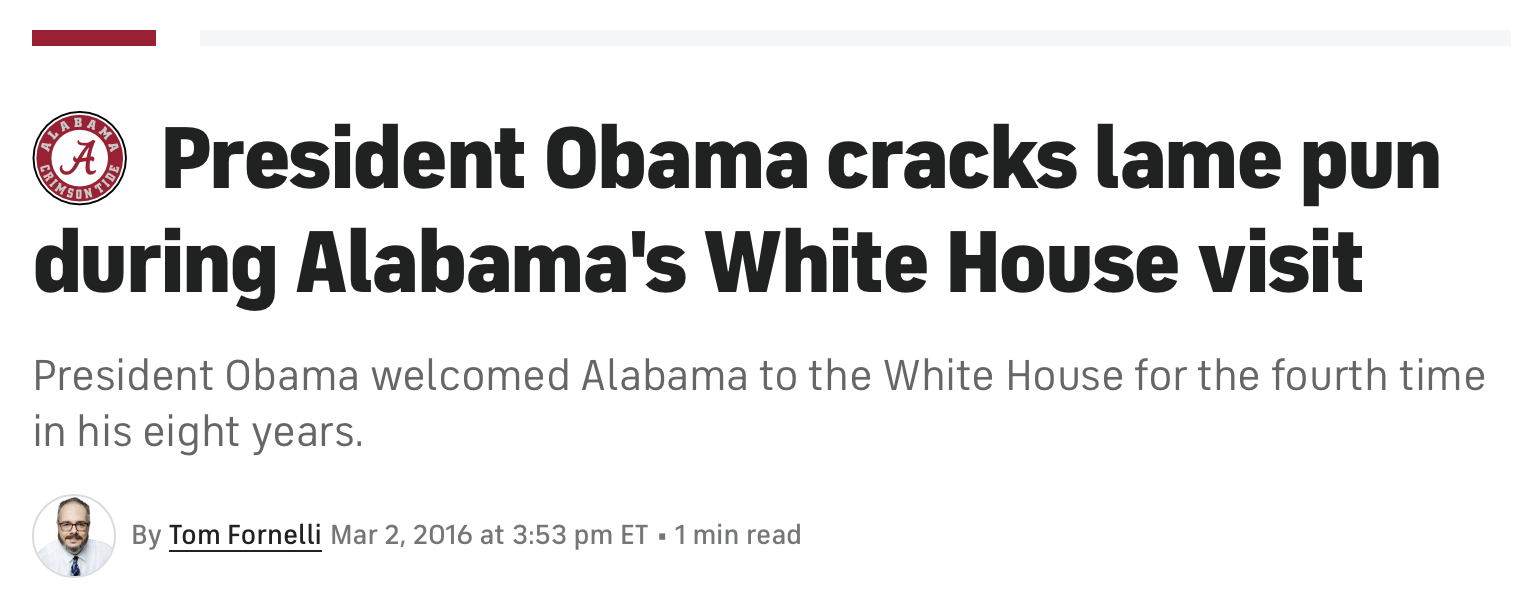
This article could be interpreted as containing anti-Obama rhetoric because calling his joke lame is politically motivated. Regardless, there’s no guarantee that the author meant any ill will with this choice of headline.
Generally, an assessment of a network’s editorial pieces accompanies the analysis of their articles, but in this case, CBS Sports doesn’t have any political editorials to analyze. CBS Sports does not include an opinion section because its coverage is almost entirely focused on sports.
How to Evaluate Bias
Although Biasly rates CBS Sports as Center, it’s important to remember that bias can vary from article to article. So, let’s learn how to evaluate media bias.
Recognizing media bias requires awareness and critical thinking. Often, readers trust news sources that affirm their existing beliefs, a psychological tendency known as confirmation bias. This makes it harder to identify slanted narratives or one-sided reporting.
To combat this, it’s essential to challenge your assumptions by consulting multiple viewpoints and verifying news through third-party analysis. Tools like Biasly’s media bias ratings allow readers to compare the same news story across the political spectrum.
Ultimately, bias isn’t always a matter of what is said—it’s also about what is left out, how topics are framed, and which stories are chosen for coverage. Learning to recognize these patterns can help readers make more informed decisions and develop greater media literacy.
To start comparing news outlets and gain a better understanding of bias, sign up for Biasly’s Media Bias & News Analytics Platform to see how stories vary between sources.
CBS Sports Reliability Analysis
Is CBS Sports Reliable?
Because CBS Sports primarily covers sports, the implications of unreliability are less severe compared to a politically-centered network. Additionally, the fact that CBS Sports rarely covers politics makes it harder to give a definite answer on their reliability. It would appear as though their reliability rating is good, but not great. It could certainly be improved upon.
As previously stated, Biasly gave them a rating of “Average.” CBS Sports is something of an oddity for this type of analysis, due to their overall lack of participation in political discourse. Nonetheless, Biasly’s A.I. technology was still able to rate them. The ‘Average’ rating is accurate and should always be considered when consuming information from CBS Sports. In general, readers can trust CBS Sports– to a certain extent.
How to Evaluate Reliability?
Reliability refers to how trustworthy or accurate a news source is. If we can’t trust what we read, then continuing to consume content from that outlet serves little purpose. So how do we evaluate a news outlet’s reliability?
There are several potential measures of reliability to look out for when trying to determine whether a media source is reliable or not. Red flags for an unreliable article can include the presence of wild, unsubstantiated claims, facts dependent on other unreliable sources, heavy use of opinionated language, and more. In contrast, hallmarks of a reliable source include:
- Absence of subjective language
- Citing credible sources (e.g., .gov, .edu, academic references)
- Verifiable facts and statistics from multiple outlets
- Use of primary sources, like interviews or transcripts
- Consistency with coverage across other platforms
Biasly’s reliability scores incorporate these elements in evaluating media outlets.
So How Does CBS Sports Fare in Its Reliability?
The political reliability index developed by Biasly assesses both accuracy and trustworthiness. CBS Sports currently holds Average Reliability Score, which is calculated as a weighted average of:
- Fact Analysis Score – Evaluates the accuracy of claims, facts, and evidence.
- Source Analysis Score – Assesses the number, diversity, and credibility of sources and quotes used.
CBS Sports’s Source Analysis Score is Average at 31% Reliable. This suggests moderate trustworthiness in its sourcing practices. The score is AI-generated and considers quote length, frequency, diversity, and quality.
The Fact Analysis Score of CBS Sports is Pending at N/A. This further shows how well CBS Sports supports its claims, addresses selection and omission bias, and presents verifiable evidence.
CBS Sports’s Accuracy and Reliability
According to Biasly’s analysis, CBS Sports maintains Average Reliability Score, but individual articles may vary significantly. Let’s dive into the details.
News organizations are often accused of being left-leaning or right-leaning, and such biases can dictate a source’s credibility. Fortunately for CBS Sports, they tend to steer clear of such accusations by dissociating with political discourse and focusing on what they initially set out to cover– sports.
That said, there are a few articles that examine the intersection of sports and politics. They will be evaluated in our analysis below. What we already know is that CBS Sports has earned a ‘Average’ reliability rating, which isn’t necessarily as high as other mainstream networks that cover news and current events, but seems to be consistent with that of other sports-exclusive networks like Fox Sports.
To determine whether the reliability rating for CBS Sports is justified, we can evaluate how well each article supports its assertions with evidence on an article-by-article basis. It’s important to look for potential selection and omission biases when assessing the articles’ overall factuality.
Selection bias occurs when stories and facts are selected or deselected, often on ideological grounds, to create a narrative that supports the new sources’ ideology. Omission bias, on the other hand, is when different opinions and political views regarding a situation are left out so that the reader is only exposed to the ideological perspective supported by the author. It’s important to keep in mind these two types of biases when trying to assess an article’s level of accuracy. These concepts will be elaborated upon later in one of the preceding sections.
Biasly rates a variety of articles from every outlet it’s analyzed, examining the author bias and overall accuracy of each piece. Each article has a calculated reliability score, and, in the case of CBS Sports and most other networks, scores vary from article to article. Variations in reliability usually stem from bias, most notably omission and selection bias. Take a look at an example of such variations between articles from one outlet.
One article, titled “Federal Appeals Court Overturns West Virginia Ban on Transgender Athletes in Women’s Sports,” was given an overall reliability score of ‘Poor’ by Biasly. Another article, published a few months earlier, earned a much higher rating. The piece– titled “Chiefs’ Travis Kelce wishes he could go to the Grammys with Taylor Swift, ‘watch her win every single award‘”– has a reliability score of ‘Fair.’
Clearly, ratings can fluctuate from article to article. Admittedly, “Good” isn’t perfect, but it’s a huge jump from “Poor.” The fact that CBS Sports’s average Source Analysis Score is “Average” indicates that the “Poor” article is more of an outlier than anything else, and shows that the quality of sources, quotes, and link diversity may simply be weaker in these articles, which usually indicate a more reliable article. Let’s take a moment to consider what fuels these differences in reliability ratings from article to article.
Analysis of Reliability in CBS Sports’s Online News Articles
There are several ways to analyze the overall reliability of a network. It’s important to look at the quality of the sources a network chooses, the accuracy of the facts they report, and the degree to which they exhibit selection/omission bias. These are all important factors to consider when determining a network’s reliability– let’s expand on each one.
Quality of Sources and Facts Used
Observe the following excerpt from the previously-referenced article on transgender athletes in the state of West Virginia:
“The 4th U.S. Circuit Court of Appeals has overturned a West Virginia transgender sports ban, according to the Associated Press. The federal appeals court ruled that the law violated Title IX, which prevents sex-based discrimination in schools.”
One big takeaway here is the reference to a source. That source is the Associated Press. According to Biasly, AP News is considered to have an overall Somewhat Left bias that leans slightly to the left. AP News’ overall reliability is quite high, but its Source Analysis Score is only “Fair”. In general, they might not be the most trustworthy source. CBS Sports’s inclusion of AP News as a source could be a potential red flag that helped earn the article a “Poor” reliability score.
In addition to AP, the author referenced a few other sources, but didn’t necessarily indicate that he was getting information directly from them:
- West Virginia Governor Jim Justice (Republican)
- The American Civil Liberties Union
- Various policies from other states were referenced as well
One potential red flag could be the overall lack of source citation, beyond the examples previously shown. For example, when the author cited policies from other states, he failed to cite his sources or indicate exactly where he obtained this information. Pay attention to the following quote:
“Over the last few years, nearly half the states in the United States have passed some sort of ban on transgender athletes participating in women’s sports competitions.”
To boost the reliability of this article, the author could have included a source for this information, like attaching a hyperlink. Steps like these can be taken to limit questions about unreliability in a network’s content. By not including a source for the information provided, the author may undermine the reliability of their article. This notion is especially applicable when the network at hand primarily covers sports and rarely addresses politics.
Overall, the number of sources used in this piece is suboptimal and suggests limited reliability.
The facts used in this article are factually correct, but most lack source citations of any kind. This also contributes to limited reliability. Fortunately for the author and readers, there is no misinformation in this writing; while the information is correct, the delivery could be improved.
In a broader context beyond this particular article, it’s worth considering the potentially biased nature of sources that are included in CBS Sports content. In one of their articles, titled “Ravens vs. 49ers score, takeaways: Baltimore throttles Brock Purdy, San Fran as Lamar Jackson makes MVP case” CBS Sports cited ESPN multiple times as a source. Biasly has given ESPN a Somewhat Liberal bias score. On the other hand, CBS Sports has also used more conservative sources at times. Another article, titled “Real Madrid overtake Manchester United as the most valuable soccer club in the world, according to Forbes,” featured a citation from Forbes, a source that operates on a slight conservative lean, according to Biasly. Clearly, CBS Sports incorporates sources from both sides of the political spectrum, albeit not frequently enough (for source citation in general).
Selection and Omission Bias
Let’s shift our focus to a different piece. In June of 2023, CBS News published an article discussing the Oakland Athletics’ new advancements toward an eventual relocation to Las Vegas.
The author discusses Nevada politics, putting the rare intersection of sports and politics on full display. It’s important to consider the sources that are being used in this piece, as selection and omission biases are determined by the author’s choice of sources.
It’s worth researching the quotes and statistics in an article, and for the article referenced above, there is some bias. The author, Max Axisa, only includes quotes from those who support this relocation effort. There are two quotes from people aiding the relocation, and no quotes from those who oppose it or tried to resist it. This is a disservice to readers, who aren’t necessarily getting the full picture of this issue.
“Today is a significant step forward in securing a new home for the Athletics. We thank Nevada Governor Lombardo, Legislative leaders, and Clark County Commissioners and staff for their hard work, support, and partnership. We will now begin the process with MLB to apply for relocation to Las Vegas.”
“We are excited about Southern Nevada’s dynamic and vibrant professional sports scene, and we look forward to becoming a valued community member through jobs, economic development, and the quality of life and civic pride of a Major League Baseball team.”
The fact that these two quotes are accompanied by those of resistors– who make up a large chunk of the folks involved with the Oakland Athletics– is a sign of limitation in storytelling. The author fails to tell the full story by focusing primarily on one side.
In a separate article previously discussed, titled “Candid Coaches: Would Your Team Visit Donald Trump in the White House if it Won the National Title?”, we can see another instance of selection/omission bias. The article asks coaches a politically-charged hypothetical about whether they would visit the White House under the Trump administration. The specific case of omission bias occurs after including statistics indicating that around 40% of coaches would visit Trump’s White House, yet nearly none of their perspectives are included. The author, Gary Parrish, places much more emphasis on the reasons why around 60% of coaches would not visit the White House.
These perspectives include labelings of racism, hate speech, and overall anti-Trump rhetoric, even though the statistics included show that nearly half of all coaches polled would indeed visit the White House. By diminishing these perspectives and focusing on the anti-Trump sentiment, the author has engaged in omission bias that caters to his own partisan beliefs.
This is an example of both selection and omission bias because the author selected sources reinforcing one message and omitted those that conflict with it. Selection and omission bias play a big role in rating a network’s reliability, and with CBS Sports’s reliability rated at just Average, via its Source Analysis Score, this specific type of bias might be a reason why.
There are a few different things that we could point to as explanations for CBS Sports’s underwhelming Source Analysis Score. Firstly, there are the sources that they use in their writing. As explained earlier, incorporating sources that have questionable reliability ratings can drag down your own reliability.
When CBS Sports used AP News as a reference– a network with a 50% Source Analysis Score– it’s possible that they compromised their reliability to a certain extent. Additionally, any time a source notably omits an important perspective, statistic, or fact, its reliability weakens. The same logic applies to selecting an unbalanced amount of information from one source or to choosing sources designed to prop up one perspective over the other. Nonetheless, AP is reputable in many other ways, specifically because of its lack of a political lean towards one side or another. They are a news organization, rather than an opinion outlet. There are various perspectives to consider when evaluating the citation of AP News in pieces from CBS Sports.
So, is CBS Sports Reliable?
Overall, CBS Sports can be considered to be an outlet that is moderately reliable. It demonstrates a consistent goal of journalistic integrity and typically supports claims with sources and quotes. Occasional omissions and framing bias do appear, particularly on culturally sensitive or partisan issues.
As media literacy improves, readers can more easily detect issues with selection bias, omission bias, and factuality. To strengthen your ability to assess reliability across the political spectrum, use Biasly’s News Bias Checker to compare how multiple outlets report the same story.
This empowers you to consume more accurate, balanced, and dependable news.
Funding and Ownership
Who Owns CBS Sports?

David Berson, President, CBS Sports – Source: Wikimedia
As previously mentioned, CBS Sports is a part of CBS Inc., which is owned by Paramount Global. David Berson is the President of CBS Sports. There isn’t much information available about Berson, so we cannot draw any conclusions about bias at this time.
It’s possible that more information about the President could come out following a closer look into his past or his family history, but that information is simply not accessible right now.
Who Funds CBS Sports?
There is not a substantial amount of information regarding specific funding for CBS Sports. The company began in 2002 as National College Sports Network, later renamed College Sports Network (CSTV). Viacom purchased CSTV in 2005, and then the company was sold to CBS in 2006. CBS renamed the platform CBS College Sports Network in 2008, but later changed it to CBS Sports to cover a wider array of sports.
CBS Sports is funded through telecast rights, advertisements, sponsorship, subscriptions, and related revenue from Paramount. For example, media rights deals, such as CBS Sports’s large deal for March Madness with the NCAA, and Paramount+ subscriptions contribute significantly to the organization’s revenue.
Additional Insights
News Source Comparison
When it comes to news source comparison, CBS Sports is evaluated alongside other sports media competitors. Some of these platforms include ESPN, NBC Sports, Fox Sports, and Yahoo Sports. ESPN, for example, represents a sports news source with more biased perspectives, rated as left-leaning by Biasly. Using Biasly’s sports media bias ranking page is useful to compare these sources to one another in terms of bias.
CBS Sports falls in the center of the bias spectrum, along with Yahoo News, Sports Illustrated, and NBC Sports. Examples of left-leaning sports sources, such as ESPN, include Sky Sports and Deadspin, which more commonly discuss the intersection of politics and sports. Sources like CBS Sports prefer to mostly exclude politics from their coverage, contributing to their center bias rating.
Notable Contributors and Authors
CBS Sports employs different popular writers and TV personalities within the realm of sports. Jim Nantz is a notable example, known for his interviews and commentary, which sometimes touch on broader social issues. Additionally, Tony Romo, a retired NFL quarterback, provides color commentary on the platform and is known for sometimes discussing his beliefs.
For example, Romo expressed his opinions about former President George W. Bush while commentating on an NFL game alongside Jim Nantz. While President Bush was present at the event, Romo stated,
“He’s very impressive. He loves sports, he loves America. One of the greatest human beings you’ll ever meet.”
While instances like this are uncommon on CBS Sports’s platform, during live commentary, reporters can sometimes demonstrate their personal biases.
Related Tools and Resource Pages
To better understand how CBS Sports fits into the broader media landscape, we recommend exploring these helpful resources:
- Media Bias Chart: See where CBS Sports ranks in comparison to hundreds of different media outlets across the political spectrum.
- Political Bias Chart: Visualize the political slants of your favorite news sources.
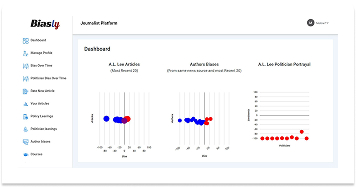
- Journalist Bias Analytics Platform: Explore how individual journalists influence bias within their publications.
- Politician Bias Analytics Platform: Compare how politicians are framed by CBS Sports and other comparable sources.
- Media Literacy Education Platform: Learn how to assess media sources for bias and news reliability.
Frequently Asked Questions
CBS Sports is rated as Center based on Biasly’s media bias algorithm, which assesses sentiment, article framing, and policy favorability.
While CBS Sports is not known for fake news, it parted ways with former NFL insider Jason La Canfora after years of criticism over inaccurate reporting, with his scoops frequently mocked by NFL reporters and blogs. More recently, CBS Sports’s lead broadcast team of Jim Nantz and Tony Romo faced social media backlash and accusations of perceived on-air bias, fueling criticism of their performance.
Biasly uses AI sentiment analysis and human analyst review to assess for tone, fact accuracy, source quality, and media bias indicators. Learn more on our Bias Meter page.
When it comes to sports, absolutely. If the source covers social or political topics, which is uncommon, it is not always ultimately fact-based.
Ratings are based on recent news using data science and A.I. technology.
Military Spending
| Date | Sentiment | Associated Article | Snippet |
|---|---|---|---|
| 08/25/2019 | 75% For | Trump Family Detentions Flores Agreement (link) | So, of course, the Trump administration is doing the opposite in a baldfaced |