




-14% Somewhat Left
Bias Meter
Extremely
Liberal
Very
Liberal
Somewhat Liberal
Center
Somewhat Conservative
Very
Conservative
Extremely
Conservative
-100%
Liberal
100%
Conservative

Biasly determines media bias ratings through a dual-layered approach combining artificial intelligence and analyst review. The platform’s proprietary bias detection engine, Bias Meter, evaluates sentiment, policy position alignment, and language framing across thousands of data points in news articles. Analysts then verify and interpret the AI’s findings, providing additional context where needed. Learn more about ratings
- Profile
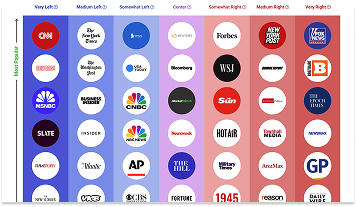
ESPN on the media bias chart
ESPN has a Bias Score of -14% Somewhat Left which is based on a variety of factors including its policy and politician leanings, article ratings, and the use of biased language. Its Reliability is rated as Average, and additional analytical insights are available in the other tabs.

- Bias Rating
-14% Somewhat Left
- Reliability52% Reliable AveragePolicy Leanings
-12% Somewhat Left
Extremely
LiberalVery
LiberalModerately
LiberalSomewhat Liberal
Center
Somewhat Conservative
Moderately
ConservativeVery
ConservativeExtremely
Conservative-100%
Liberal100%
Conservative
Average Reliability
*Our bias meter rating uses data science including sentiment analysis, machine learning and our proprietary algorithm for determining biases in news articles. Bias scores are on a scale of -100% to 100% with higher negative scores being more liberal and higher positive scores being more conservative and 0% being neutral. The rating is an independent analysis and is not affiliated nor sponsored by the news source or any other organization.
Politician Portrayal93% positive
Continue For Free
Create your free account to see the in-depth bias analytics and more.
By creating an account, you agree to our Terms and Privacy Policy, and subscribe to email updates.
Log In
Log in to your account to see the in-depth bias analytics and more.
Policy Leanings Analysis
Policy | Bias score |
|---|
ESPN Editorial Patterns
ESPN’s coverage of political topics often reflects a Somewhat Left bias, with consistent patterns in phrasing, source selection, and thematic focus that are Slightly Liberal. Although the publication generally demonstrates journalistic standards in most reports, its framing of political issues sometimes reflects a slight preference for left-leaning viewpoints. This content analysis examines how ESPN handles liberal and conservative issues and evaluates its language choices and editorial tendencies.
Coverage of Liberal vs. Conservative Topics
ESPN’s articles largely cover sports analysis, but occasionally include politics when relevant to players or teams. This Biasly analysis purely aims at identifying the political bias, when present, in ESPN’s articles. For example, its coverage of LGBTQ+ rights in sports and liberal-leaning athlete protests aligns with liberal viewpoints. These subjects exemplify what Biasly analyzes, including the sources’ editorial techniques that frame these positions with a leftward tilt.
For instance, athlete Colin Kaepernick’s demonstrations, where he knelt during the national anthem in 2016 to protest police brutality, were covered positively by ESPN. Right-leaning news sources have called out these instances as “glorifying liberal ideas”, in a different manner than how ESPN covers conservative ideas. For example, during that same year, conservative baseball analyst Curt Schilling was fired from ESPN for posting a conservative-leaning meme on his social media. The post resonated with right-leaning stances on transgender restroom laws, demonstrating a bias against Republican stances within ESPN.
The critical stances that ESPN has taken towards conservative viewpoints have also bled into articles that more often celebrate liberal viewpoints, especially in one specific 2022 article. The article was written by Howard Bryant and covered the 4th of July holiday. Specifically, the article criticized expressions of patriotism and the symbolism of the holiday in recent years. Additionally, the author briefly lamented the quantity of guns in the country and the nation’s disregard for environmental concerns. Articles like this demonstrate how ESPN is capable of political bias within the framework of their sports-related articles.
Policy and Issue Framing
When ESPN brings up political topics, such as gun control, there are limited right-wing perspectives, and most of its stances are slanted towards the left. One example is %SOURCE_NAME_%’s coverage of a speech by Gregg Popovich, head coach for the San Antonio Spurs, in which he discussed gun control. In alignment with other ESPN articles, Popovich’s speech included sharp criticism of certain Republican lawmakers. Tim MacMahon, the author who wrote the column, presented no alternative viewpoints, which appears supportive of the coach’s stance.
ESPN openly promotes transgender rights, demonstrated by awarding Caitlyn Jenner the Arthur Ashe Courage Award following her gender transition. The firing of Schilling after he posted a meme concerning transgender rights in a negative light also indicates this bias. The specific coverage of these issues on ESPN has led some to question its level of bias in recent years, pointing to the contemporary large-scale disagreements between the political parties as a reason for the emergence of bias in a sports news source.
There is a notable lack of conservative viewpoints represented in ESPN’s columns, often presenting conservative opinions as secondary to liberal stances. News Nation anchor Dan Abrams spoke about the increase of bias in ESPN’s articles:
“Let’s be clear: ESPN certainly has shown a leftward leaning in recent years. Earlier this year the network honored transgender swimmer Lia Thomas during a celebration of women’s history month, they’ve been criticized by many over on the right about their coverage of Colin Kaepernick, their commentators frequently express left-leaning political opinions on air, on social media and elsewhere.”
Coverage and Relevance
ESPN reports on intersections between politics and sports, often because of the outward political opinions of athletes and management. In these cases, like transgender rights to play professional sports, ESPN’s editorial bias towards the left is demonstrated. There are also a minority of cases where political issues take precedence in ESPN’s reporting, which is where Biasly’s “somewhat left” bias rating becomes predominantly clear, largely through language choice.
Readers who wish to further explore how ESPN compares with other publications can visit Biasly’s Media Bias Chart to analyze tone and word choice in real time.
ESPN Bias Analysis
ESPN began publication in 1979 and now spans all digital and multimedia platforms. The main audience of ESPN includes older individuals, men, and those in the middle and upper socioeconomic classes. ESPN’s slogan is “Serving Sports Fans. Anytime. Anywhere.”, highlighting the platform’s simplicity and commitment to serving sports fans.
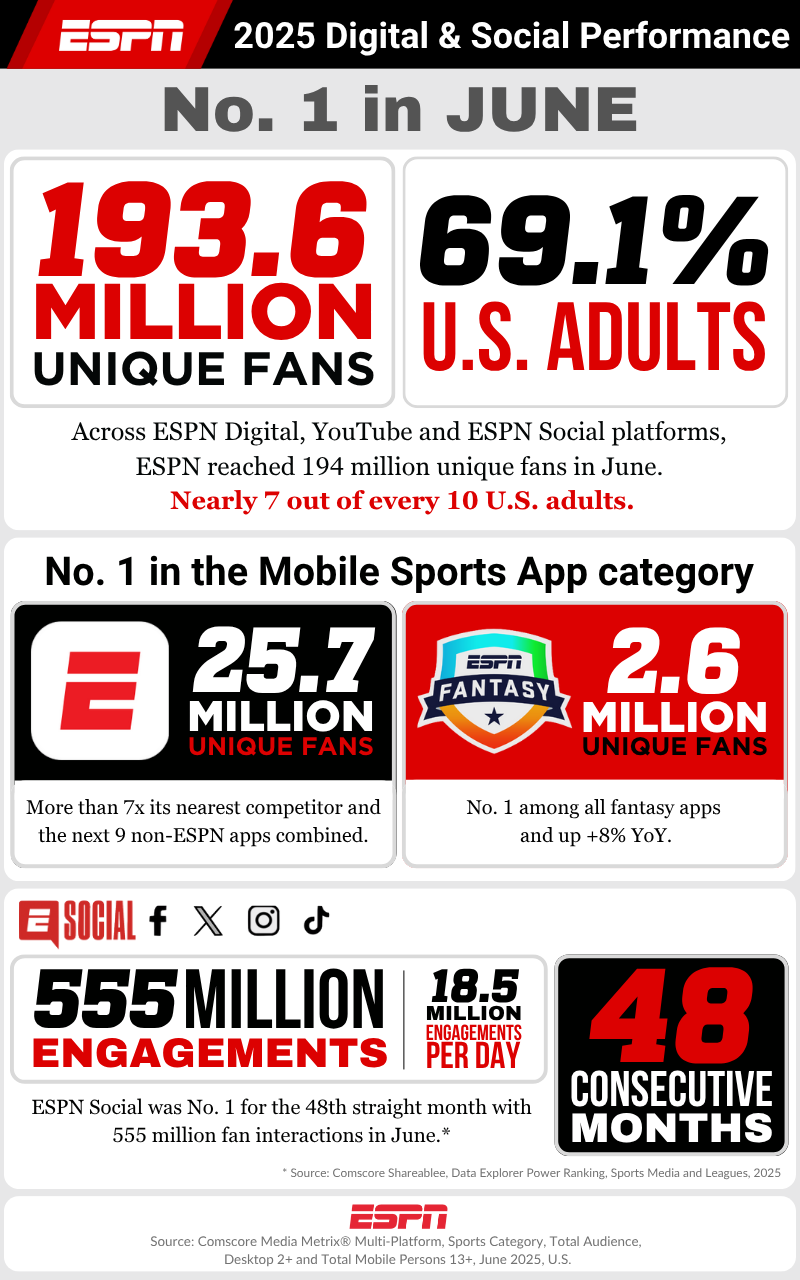
Although Pew Research Center released a study in 2023 claiming that most Americans do not closely follow college or professional sports, ESPN maintains, as of 2025, that 7 in 10 American adults consistently use their platform. With 193 million consistent fans, the source has the most successful mobile sports app and reaches 18 million users daily.
Source: ESPN
With these statistics in mind, ESPN holds significant influence in the sports media sphere. Interestingly, the fan base using this news source is demographically distinct from those who would agree with its leftward bias. Concerning political media bias, both AI and media analysts evaluate its content, sources, and funding to determine its political leaning.
Using headlines and a targeted analysis of verbiage, Biasly’s media bias rating classifies the source politically, compared to other sources. This article dissects the editorial techniques of ESPN to identify levels of bias and what led to this conclusion.
Is ESPN Biased?
Based on Biasly’s evaluations, ESPN is rated as Somewhat Left.
By examining content patterns and the broader context of media influence, we aim to offer a balanced perspective on ESPN’s political bias—and contribute to the ongoing discussion about bias in the news.
How Does Biasly Rate News Sources?
Biasly uses proprietary algorithms and a team of analysts to provide comprehensive bias evaluations across thousands of news outlets. Over 200,000 articles from more than 3,200 sources have been analyzed to identify the most accurate and unbiased stories.
Biasly assigns each outlet three key scores:
- Reliability Score – Reflects factual accuracy
- AI Bias Score – Generated via natural language processing
- Analyst Bias Score – Assessed by human political analysts
These scores are based on seven core metrics: Tone, Tendency, Diction, Author Check, Selection/Omission, Expediency Bias, and Accuracy. These elements help analysts and algorithms evaluate the political attitude conveyed by each article.
Biasly’s Bias Meter ranges from -100% (most left) to +100% (most right), with 0% indicating neutrality. The system evaluates individual articles based on political terms, policies, figures, and sentiment to calculate precise bias ratings.
Is ESPN Politically Biased?
ESPN earns a Somewhat Left rating for its AI Bias Score and a Somewhat Left for its Analyst Bias Score. The Analyst Bias Score is generated by reviewers from liberal, moderate, and conservative backgrounds. This source maintains a fair level of objectivity in its sports articles, but when discussing politics, it aligns with left-leaning viewpoints on key issues. The selective inclusion of political figures in ESPN articles sometimes aligns with Democratic positions.
Jim Brady, a public editor for ESPN, wrote in 2016 about concerns regarding ESPN’s perceived political bias.
“As it turns out, ESPN is far from immune from the political fever that has afflicted so much of the country over the past year. Internally, there’s a feeling among many staffers — both liberal and conservative — that the company’s perceived move leftward has had a stifling effect on discourse inside the company and has affected its public-facing products. Consumers have sensed that same leftward movement, alienating some. “
It is clear from the demographics of those who commonly visit ESPN that there are substantive differences between the outlet’s editorial leanings and the political affiliations of its fans. ESPN’s main audience largely consists of men and older individuals, which, according to Pew Research statistics, are both demographics that tilt towards the Republican Party and away from ESPN’s political biases.
Analysis of Bias in ESPN Online Articles
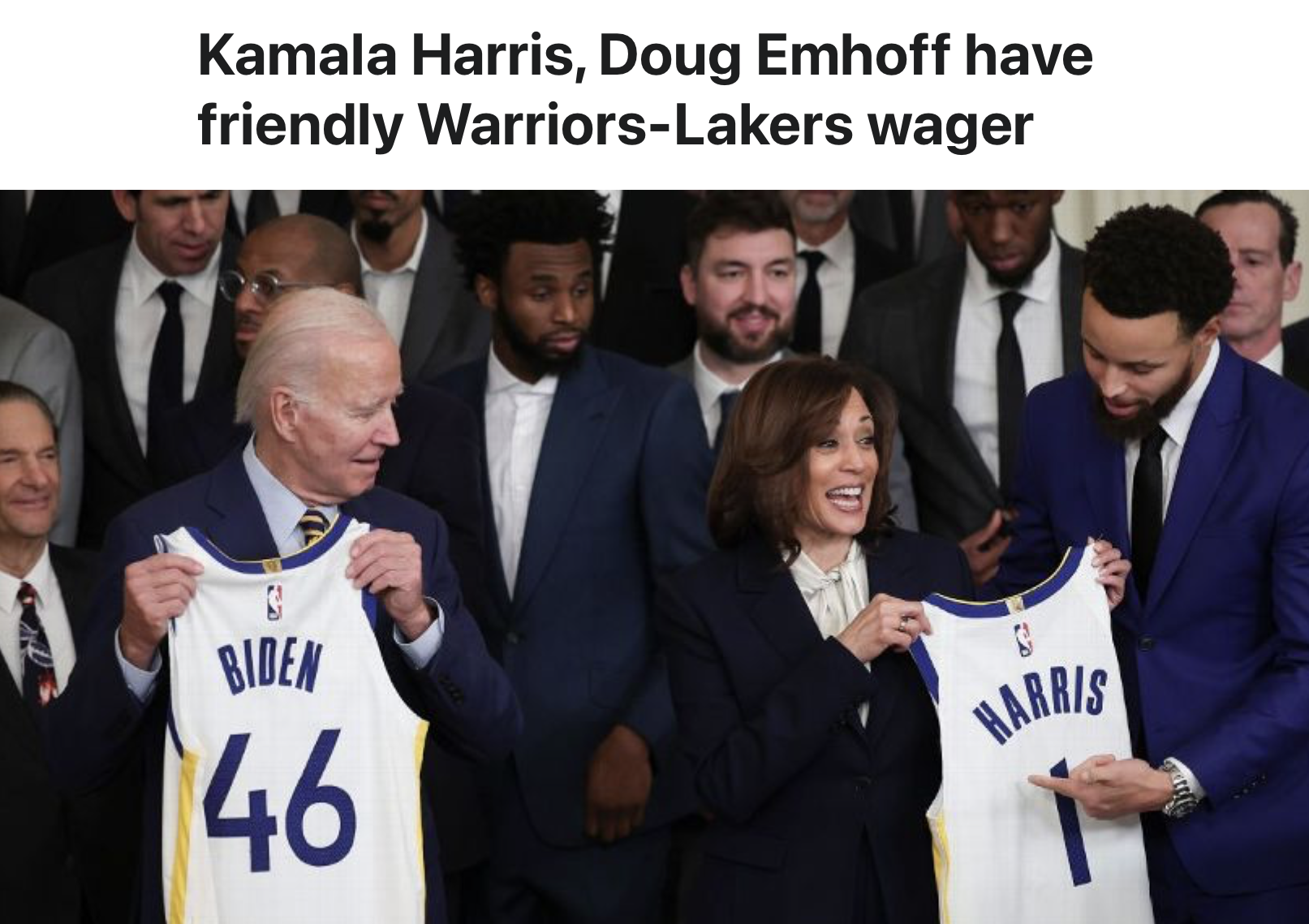
Analysts reviewed ESPN’s articles and noticed preferences for liberal policies in article headlines and word choice. For example, one ESPN article uses verbiage bias in the headline that infers a positive sentiment towards Democratic politicians:
Source: ESPN
Article bias is dissected by Biasly using five main classificatory categories:
- Tone: The attitude conveyed in the writing, concerning the author’s word choice or diction.
- Diction: The author’s word choice
- Author: The author’s history of stances on issues based on past articles and social media posts.
- Tendency: How consistently an author shows bias in their professional writing, considering factors like tone and perspective.
- Expediency Bias: Initial impressions created by the article’s headline, images, or summary, indicating the source favors a particular viewpoint.
Looking at the headline presented above, bias is detected in the “diction” category through the use of the keyword “friendly,” which implies approval. The word “friendly” conveys a positive relationship between Democrats Joe Biden and Kamala Harris and athlete Stephen Curry, photographed above.
Covering the friendly relationship between a prominent NBA team and the Democratic administration seems skewed, given that Trump would likely not receive the same lighthearted headline diction if he had a similar bet on the Warriors-Lakers with his wife, as Doug Emhoff did.
On this same note, a separate 2025 article mentions Trump in a way that conveys a vastly different political sentiment. The headline reads:
“Trump attending US Open as Rolex’s guest; boos may not air on TV.”
This headline exemplifies expediency bias by instilling an immediate, negative impression upon the audience about a certain topic or politician. Within this same article, there are further examples of bias, including tone bias from the author.
The author speaks from the perspective of a sports commentator, but comments on Trump’s policy choices in a sharply critical tone.
“…but the president has had few qualms about blurring lines between political and foreign policy decisions and efforts to boost the profits of his family business.”
Quotes like this flag the source as biased because the article goes beyond Trump’s time at the US Open. Since the article shifts focus to Trump’s alleged corruption, a leftward bias is recognized.
Since these two articles do not have authors listed, it is difficult to determine the author and tendency bias, since both involve the author’s background and past writing. But a 2023 article by Tim MacMahon concerning Gregg Popovich’s political comments can be used as an example. After analyzing MacMahon’s other ESPN articles, it is clear that his bias is not consistent in his other columns. In other words, MacMahon’s lack of consistent leftward bias in his articles demonstrates no real tendency bias.
On the other hand, author bias is evident on MacMahon’s public X (formerly Twitter) profile, where the biases of the Popvich article appear on his personal account. For example, he quotes Popovich multiple times on his profile and adds no context, suggesting he agrees with Popovich’s left-leaning viewpoints. This is classified as author bias, or when an author’s personal biases appear in their professional writing for news sources. The overall bias found, using these metrics, correlates with Biasly’s overall bias analysis of the source.
Analysis of ESPN Opinion Articles
ESPN does not feature any opinion articles that are related to politics. They do, however, have some pieces dedicated to sports opinions, such as predictions, analyses, and more. Additional opinions and political discussion can be found on ESPN TV, radio, and video content. Our rating and analyses only cover the digital and written media forms, which sometimes include video transcription and text analysis.
How to Evaluate Bias
Although Biasly rates ESPN as Somewhat Left, it’s important to remember that bias can vary from article to article. So, let’s learn how to evaluate media bias.
Recognizing media bias requires awareness and critical thinking. Often, readers trust news sources that affirm their existing beliefs—a psychological tendency known as confirmation bias. This makes it harder to identify slanted narratives or one-sided reporting.
To combat this, it’s essential to challenge your assumptions by consulting multiple viewpoints and verifying news through third-party analysis. Tools like Biasly’s media bias ratings allow readers to compare the same news story across the political spectrum.
Ultimately, bias isn’t always a matter of what is said; it’s also about what is left out, how topics are framed, and which stories are chosen for coverage. Learning to recognize these patterns can help readers make more informed decisions and develop greater media literacy.
To start comparing news outlets and gain a better understanding of bias, sign up for Biasly’s Media Bias & News Analytics Platform to see how stories vary between sources.
ESPN Reliability Analysis
Is ESPN Reliable?
ESPN is generally considered a reliable source, although there have been instances of lapses in its reliability. The organization allows all readers to submit corrections to their stories, demonstrating a strong commitment to the reliability of its articles. An official statement by ESPN concerning reliability reads:
“At ESPN, our reputation and credibility with viewers, readers and listeners are of paramount concern. While our goal is always to be accurate and fair, occasionally we will present an erroneous assertion of fact. Significant errors of fact will be corrected in a clear and timely manner, with appropriate prominence.”
ESPN has a Biasly reliability rating of Average, signifying the source is relatively reliable. This rating also indicates that most, if not all, of ESPN’s cited sources can be taken at face value.
Articles by this news source are rated for reliability using percentages and averages, so depending on the author, subject, and context of the article. The fact that ESPN allows readers to correct errors shows a clear commitment to reliability. However, this metric is unrelated to recognized individual or patterned instances of bias in ESPN’s articles.
How to Evaluate Reliability?
Reliability refers to how trustworthy or accurate a news source is. If we can’t trust what we read, then continuing to consume content from that outlet serves little purpose. So how do we evaluate a news outlet’s reliability?
There are several potential measures of reliability to look out for when trying to determine whether a media source is reliable or not. Red flags for an unreliable article can include the presence of wild, unsubstantiated claims, facts dependent on other unreliable sources, heavy use of opinionated language, and more. In contrast, hallmarks of a reliable source include:
- Absence of subjective language
- Citing credible sources (e.g., .gov, .edu, academic references)
- Verifiable facts and statistics from multiple outlets
- Use of primary sources, like interviews or transcripts
- Consistency with coverage across other platforms
Biasly’s reliability scores incorporate these elements in evaluating media outlets.
So How Does ESPN Fare in Its Reliability?
The political reliability index developed by Biasly assesses both accuracy and trustworthiness. ESPN currently holds Average Reliability Score, which is calculated as a weighted average of:
- Fact Analysis Score – Evaluates the accuracy of claims, facts, and evidence.
- Source Analysis Score – Assesses the number, diversity, and credibility of sources and quotes used.
ESPN’s Source Analysis Score is Average at 52% Reliable. This suggests moderate trustworthiness in its sourcing practices. The score is AI-generated and considers quote length, frequency, diversity, and quality.
The Fact Analysis Score of ESPN is Pending at N/A. This further shows how well ESPN supports its claims, addresses selection and omission bias, and presents verifiable evidence.
ESPN’s Accuracy and Reliability
According to Biasly’s analysis, ESPN maintains Average Reliability Score, but individual articles may vary significantly. Let’s dive into the details.
Two common types of bias that affect factuality include:
- Selection Bias – Highlighting, selecting, or deselecting specific stories and facts from source articles, often for ideological reasons.
- Omission Bias – Leaving perspectives or relevant details out of the article to skew audience perception.
The reliability of each ESPN article should be considered separately, since different articles contain varying degrees of reliability. Since Biasly aims to analyze bias in political topics discussed by ESPN, it is also important to note that most articles that include political discussions often cite less reliable sources. In other words, when ESPN is not discussing politics, its reliability is generally high, but other articles have the possibility of being less trustworthy.
For instance, one article titled “Bakole stuns rising heavyweight Anderson by KO,” was rated as “fair” in reliability, while a different article entitled, 2024 Olympic Gymnastics Trials: Live Updates as the Team is Finalized,” was distinctly rated Poor in reliability. When it comes to political or social pieces by ESPN, its articles should not generally be considered as reliable compared to Reuters, for example, or other news sources that commonly cover these issues.
An example of omission bias can be seen in Tim MacMahon’s article on Gregg Popovich, mentioned above, where the author explicitly refrains from including contrary opinions to the viewpoints expressed by the head coach. In the other direction, selection bias could be exemplified in the sources’ celebration of transgender rights, such as in an article titled, “Young transgender athletes caught in middle of states’ debates.” This article appeals to one side of the transgender rights debate, the left-leaning view, and selectively includes an emotional interview with a young transgender athlete who was denied access to compete in certain sports competitions. Instances of these reliability biases in ESPN’s articles align with Biasly’s overall leftward-leaning rating of the source.
Analysis of Reliability in ESPN’s Online News Articles
ESPN’s online articles serve their readers without trying to influence their opinions, as their website claims. But nonetheless, like parent company Disney, the organization has been accused of leaning leftward in certain articles, prompting a closer look into ESPN’s reliability.
Due to the finite amount of ESPN’s articles that deal with political topics, there are only so many available to analyze. One example is an article entitled, “Sources: NBA, union plan to paint ‘Black Lives Matter’ on courts in Orlando,” where an excerpt reads:
“The NBA and National Basketball Players Association are planning to paint “Black Lives Matter” on the court inside both sidelines in all three arenas the league will use at the Walt Disney World Resort when it resumes the 2019-20 season late next month in Orlando, Florida, league sources told ESPN. The WNBA is also discussing painting “Black Lives Matter” on the court when it begins its abbreviated 2020 season at the IMG Academy in Bradenton, Florida, sources said.”
Since this article frequently refers to “sources,” it is important to conduct thorough research into their reliability. The vagueness of these sources when it pertains to a topic as politically charged as Black Lives Matter might lead some readers to question the reliability of this specific article.
Quality of Sources and Facts Used
When considering the reliability of ESPN’s sources, there have certainly been articles with sufficient and credible cited sources, like in a different article that covered a shooting which occurred after an NBA game. The sources used as supporting evidence include:
- Reuters
- The Associated Press
- Denver Police
- Police Chief Rob Thomas
- Police Spokesperson Doug Schepman
These sources are cited more credibly and used more clearly than the article discussing Black Lives Matter. These sources are also more diverse than those in the previous article, including witnesses and other high-reliability sources. Refer to the reliability ratings by Biasly for Reuters and Associated Press. This article also bolsters its credibility with three direct quotes from credible officials.
When considering whether an ESPN article is reliable, compare the credibility, diversity, and clarity of the exemplified sources in the Denver article with those of the questioned article to make a well-rounded assessment of reliability.
Selection and Omission Bias
It is true, and Biasly’s reliability rating accurately represents, that ESPN is not often guilty of reliability bias, but particular political articles demonstrate some selection and omission bias. One instance of ESPN’s overall reliability is exemplified in an article covering the Washington Nationals’ MLB victory and subsequent visit to the White House, under the administration of Donald Trump. The article covers the emotions the team expressed about visiting the White House, including excitement among some, and briefly touches on some problems the administration has dealt with.
By contrast, an ESPN article covering the Golden State Warriors’ discontent with Trump’s administration and the team’s refusal to visit the White House after their championship victory demonstrates a reliability bias. This article clearly demonstrates selection and omission bias by not including the President’s perspective or the perspective of any Warriors members who may have wanted to visit the White House. Since this article presents only one side of this political disagreement and uses anti-Trump rhetoric, its bias is clear. The article even quotes LeBron James, an athlete who isn’t on the Warriors and someone who often critiques Donald Trump, even though his perspective is tangential to the specific dispute between Trump and the Warriors.
“My stance is the same as it was [Friday],” Curry said Saturday. “And even kind of cemented even further about how things in our country are going, especially with [Trump] representing us in a very damaging way.” – Steph Curry. We would, in normal times, very easily be able to set aside political differences and go visit and have a great time,” Kerr said. “That’ll be awesome. But these are not ordinary times. Probably the most divisive times in my life, I guess, since Vietnam.”
“U bum…Going to White House was a great honor until you showed up!” – LeBron James responding to Donald Trump in a Tweet.
These quotes are examples of selection and omission bias because the author handpicks anti-Donald Trump quotes while excluding perspectives that do not align with the article’s leftward sentiment.
Besides this article, and a few other exemplary instances of reliability bias, ESPN is considered reliable for sports news. Selection and omission bias are not frequent enough in the source’s articles for their overall reliability rating to suffer.
So, is ESPN Reliable?
Overall, ESPN can be considered to be an outlet that is moderately reliable. It demonstrates a consistent goal of journalistic integrity and typically supports claims with sources and quotes. Occasional omissions and framing bias do appear, particularly on culturally sensitive or partisan issues.
As media literacy improves, readers can more easily detect issues with selection bias, omission bias, and factuality. To strengthen your ability to assess reliability across the political spectrum, use Biasly’s News Bias Checker to compare how multiple outlets report the same story.
This empowers you to consume more accurate, balanced, and dependable news.
Funding and Ownership
Who Owns ESPN?
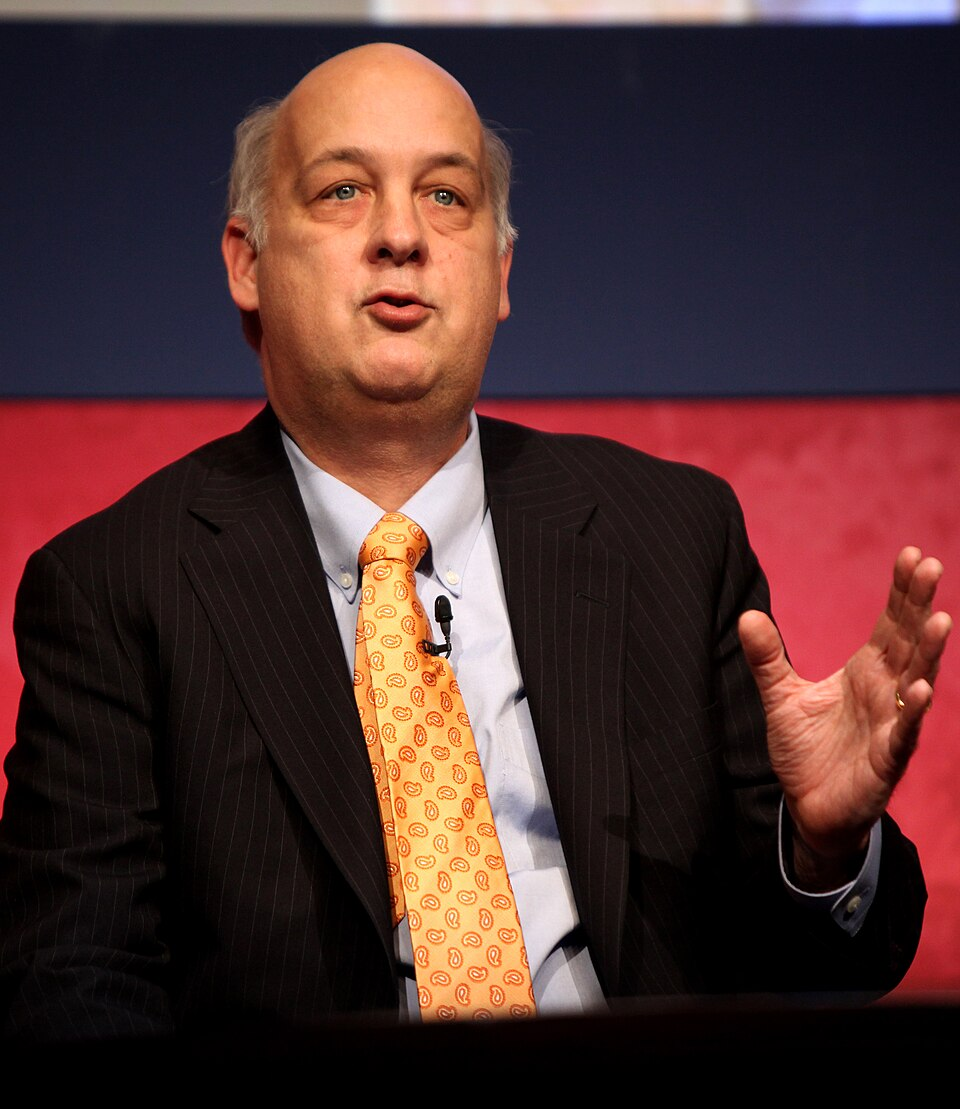
Scott Rasmussen, Co-founder, ESPN – Source: Wikimedia
ESPN was created in 1979 by three men: Bill Rasmussen, Scott Rasmussen, and Ed Eagan. Five years later, the company was purchased by ABC, a news source with a “Somewhat Liberal” bias rating, and in 1996, it was acquired by Disney. Interestingly, ESPN’s founding Rasmussen brothers later expressed conservative opinions, in contrast with the bias now associated with the platform. Scott Rasmussen even started his own company after ESPN’s acquisition, which was inherently conservative-leaning.
The current Chief Executive Officer of ESPN is Jimmy Pitaro, photographed above. The company is currently co-owned by Hearst Communications, which holds a 20% minority stake, while the Walt Disney Company holds around 80%. The company’s value is now estimated at around $20-$30 billion.
The company’s guidelines for political writing on its platform are strict, since the platform is not inherently political. News reporters are to refrain from making political speeches or using politically emotive language, except when relevant to sports. Commentary and opinion shows are allowed to speak more freely about political opinions, but all comments should be directly related to issues impacting sports. ESPN’s political guidelines were modified in 2017, intending to provide more credible and trustworthy news to its audience.
Who Funds ESPN?
ESPN’s funding initially began with Getty Oil and Anheuser-Busch’s contributions. The National Collegiate Athletic Association granted ESPN broadcasting rights for hundreds of games in 1979, shifting profit streams from advertising revenue to affiliate fees. Currently, the source has a dual-revenue stream, drawing on cable advertising and subscriptions to generate profit. Disney’s cable network division reported $14 billion in revenue and $3 billion in profit for its 2023 fiscal year.
Additional Insights
News Source Comparison
When it comes to news source comparison, ESPN is evaluated alongside other regional and national sports news outlets with their own respective biases. According to The University of Texas at Austin, the most politicized issues in sports media include:
- sports figure advocacy statements
- current/former athletes running for office
- transgender rights
- coverage of a politician’s fandom
- athlete protest policies
This same page shows survey statistics indicating that most sports fans do not enjoy political content in sports news, yet many sports news outlets continue to publish politically charged articles. One exception to this is The Athletic, owned by the New York Times, which follows a strict “no politics” rule in its articles, leaving them with a clear “center” Biasly bias rating.
Since ESPN cannot be compared to other inherently political news sources, Yahoo Sports is a good comparison, as it also discusses the intersection of sports and politics. Yahoo Sports is generally considered a much less reliable and accurate news source than ESPN, although both sources, according to UT Austin, include politics in a similar portion of their articles. Refer to Yahoo Sports Biasly media source rating for a thorough comparison of both sources, with supporting evidence for claims above.
Notable Contributors and Authors
ESPN offers a diverse array of voices that discuss the newest events in sports media. Although some contributors are more likely to intersect political discourse with sports discussions, such as Stephen A. Smith and Howard Bryant.
One of ESPN’s most popular commentators, Stephen A. Smith, is known for his political commentary on the platform, along with other radio and TV programs. Howard Bryant is an author for the source who often interjects social justice or other cultural issues into his sports articles and editorial preferences.
Related Tools and Resource Pages
To better understand how ESPN fits into the broader media landscape, we recommend exploring these helpful resources:
- Media Bias Chart: See how ESPN fares in bias amongst hundreds of media outlets across the political spectrum.
- Political Bias Chart: Dissect political slants of different news sources in various policy areas.
- Journalist Bias Analytics Platform: Explore the bias of individual journalists and their respective publications.
- Politician Bias Analytics Platform: Compare the framing of different politicians in ESPN’s articles and other news outlets.
- Media Literacy Education Platform: Learn how to analyze media sources for bias and reliability, along with relevant editorial techniques.
Frequently Asked Questions
ESPN is rated as Somewhat Left based on Biasly’s media bias algorithm, which assesses sentiment, article framing, and policy favorability.
While ESPN is not well-known for misinformation, there have been a few cases since 2020 involving insufficient research in their articles. There is no evidence that these journalistic mistakes were intentional, but a number of articles in 2021 and 2025 have been accused of citing fake Twitter accounts and anonymous online posts as supporting evidence.
Biasly uses both AI sentiment analysis and human analyst review to analyze the tone, fact accuracy, source quality, and media bias of hundreds of news sources. Learn more on our Bias Meter page.
Generally, yes, Biasly’s research indicates that ESPN is a fairly reliable source. There have been limited instances of unreliable sources in ESPN’s articles. However, because most ESPN articles are not political, its reliability rating is based on a relatively small subset of politically-related stories.
Ratings are based on recent news using data science and A.I. technology.
Military Spending
| Date | Sentiment | Associated Article | Snippet |
|---|---|---|---|
| 08/25/2019 | 75% For | Trump Family Detentions Flores Agreement (link) | So, of course, the Trump administration is doing the opposite in a baldfaced |