




-54% Medium Left
Bias Meter
Extremely
Liberal
Very
Liberal
Somewhat Liberal
Center
Somewhat Conservative
Very
Conservative
Extremely
Conservative
-100%
Liberal
100%
Conservative

Biasly determines media bias ratings through a dual-layered approach combining artificial intelligence and analyst review. The platform’s proprietary bias detection engine, Bias Meter, evaluates sentiment, policy position alignment, and language framing across thousands of data points in news articles. Analysts then verify and interpret the AI’s findings, providing additional context where needed. Learn more about ratings
- Profile
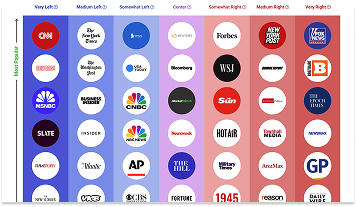
Palmer Report on the media bias chart
- Bias Rating
-54% Medium Left
- Reliability23% Reliable LimitedPolicy Leanings
14% Somewhat Right
Extremely
LiberalVery
LiberalModerately
LiberalSomewhat Liberal
Center
Somewhat Conservative
Moderately
ConservativeVery
ConservativeExtremely
Conservative-100%
Liberal100%
Conservative
Limited Reliability
*Our bias meter rating uses data science including sentiment analysis, machine learning and our proprietary algorithm for determining biases in news articles. Bias scores are on a scale of -100% to 100% with higher negative scores being more liberal and higher positive scores being more conservative and 0% being neutral. The rating is an independent analysis and is not affiliated nor sponsored by the news source or any other organization.
Politician Portrayal90% negative
Continue For Free
Create your free account to see the in-depth bias analytics and more.
By creating an account, you agree to our Terms and Privacy Policy, and subscribe to email updates.
Log In
Log in to your account to see the in-depth bias analytics and more.
Analysis of Palmer Report Articles
Analysis of Bias in Palmer Report Online Articles
To evaluate the bias of online articles, we can analyze select Palmer Report articles through several of Biasly’s bias rating criteria: Tone, Tendency, Author, Diction, and Expediency Bias.
- Tone: The overall attitude conveyed by the article
- Diction: Specific word choices made by the writer
- Author: The background and social presence of the journalist
- Tendency: Patterns of bias in the writer’s broader body of work
- Expediency Bias: Quick visual or textual indicators like headlines and photos that imply bias.
Source: Palmer Report
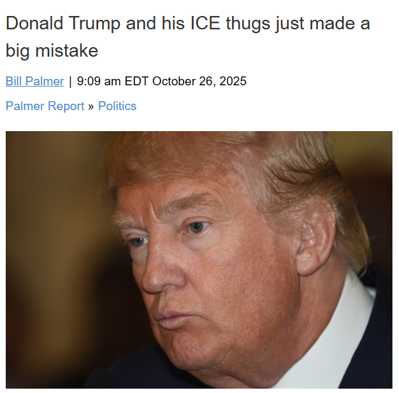
One article titled, ‘Donald Trump and his ICE thugs just made a big mistake‘ leans progressive in its critical tone of President Trump and ICE. The article condemns the actions of ICE and states that its operations are illegal. Throughout the article, the author uses harsh, emotionally charged language like calling ICE “thugs” and the Trump administration a “regime.”
“Yesterday ICE attempted to target Hispanic people in a Chicago comedy club called the Laugh Factory. That’s right, the Trump regime’s ICE thugs – or should we start calling them the Gestapo – raided a place called the Laugh Factory without cause. The manager of the comedy club, who happens to be a white man, tried to stand up for the people inside. In response, the ICE thugs physically assaulted him. When the man’s mother tried to assist him, the ICE thugs physically assaulted her as well. Then they arrested the mother and son. Then they falsely charged them both with assault.”
The article has no opposing perspectives or direct quotes from anyone involved in the incident. The article is framed in a way to paint ICE and President Trump in a negative light. The condemnation and demand for accountability of how ICE is treating people aligns with left-leaning ideals of increasing oversight on ICE. This framing, which lines up with progressive ideals, underscores an ideological slant in reporting.
In another article titled, ‘Senile Donald Trump admits he has no idea who he just pardoned or why‘, the title itself suggests a bias. Calling President Trump senile, with no medical proof, suggests that Trump has no idea what is going on and sets the tone for the article. Throughout the writing, reporter Bill Palmer states that Trump only pardons people who benefit him. Palmer uses harsh language to describe Trump and his administration, including “regime’s evil plots,” “cognitive absence,” “corrupt and transactional,” and “private evil empire.” This suggests a progressive slant through jarring language and can influence readers’ opinions on President Trump.
Furthermore, Bill Palmer has a tendency to take digs at President Trump through his article titles. Some article titles include, ‘Donald Trump just caved big time, Stark raving mad Donald Trump goes off the berserk deep end’, and ‘Donald Trump is asleep at the wheel‘. All of these articles and more take jabs at President Trump through the headline, and help set the critical tone for the articles. This is also shown in Palmer’s social media accounts. Palmer criticizes the policies and actions of Trump and his administration. An example can be found here. The negative tone and language taken against Trump and other Republican officials highlight a progressive bias and raise questions about objectivity. Using a neutral tone and differing perspectives would help balance out Palmer’s articles.
To summarize, Palmer Report consistently shows bias through reporting. The articles highlighted above all employ critical tones, harsh language, and limited alternative perspectives. Palmer Report’s articles are framed to highlight policies that lean towards the liberal side of the political spectrum.
Analysis of Palmer Report Opinion Articles
To fully understand political bias in the media, it is important to differentiate between factual reporting and opinion pieces. Although the goal of reporting is to present facts and let readers form their own conclusions, opinion articles express personal perspectives on current issues. While the previous section examined factual reporting, this section turns to how bias surfaces through Palmer Report’s selection and tone of opinion content.
One prominent example is an op-ed titled, ‘Donald Trump has no idea what he’s even trying to do’. Reporter Shirley Kennedy condemns President Trump and House of Representatives Speaker Mike Johnson for how they are handling the government shutdown. Kennedy criticizes Trump for being abroad during a time when many Americans are struggling, and Speaker Johnson for not bringing the House back into session. The title itself implies that Trump is at a loss and not acting in the way he should.
“Mike Johnson refuses to call the House back in session. He’s also sitting on the swearing-in of Adelita Grijalva, who won Arizona’s 7th Congressional District. Johnson uses the excuse that the House is in not in session, but it is just that: an excuse. Arizona Attorney General Kris Mayes has sued on behalf of the State of Arizona on the grounds that Johson is effectively disenfranchising the voters of Arizona. The Trump administration and Republican Congress are masters of chaos.”
In another op-ed titled, ‘Trump’s latest disdain for the constitution’, the headline itself implies negativity. The article criticizes Trump for censorship and accuses Trump of going after the First Amendment. It implies Trump having dissatisfaction with the courts either halting or dismissing his filings.
This tendency underscores the importance of distinguishing subjective viewpoints from straight reporting, especially when interpreting the political leanings of any news organization.
Analysis of Reliability in Palmer Report’s Online News Articles
Palmer Report aims to provide political commentary and analysis, particularly from a liberal perspective. Palmer Report mostly publishes stories from the owner, Bill Palmer. Readers, however, should differentiate between opinion-based and news reporting to evaluate source credibility.
One example is an article titled ‘The mad King reveals his absurd endgame‘. Reporter Bill Palmer discusses President Trump’s trade war with Canada. The headline itself implies a bias against President Trump due to the harsh language. It sets the tone of the article. Additionally, Palmer makes claims and references about President Trump’s thought process regarding tariffs and the economy, with no evidence to back it up. Palmer gives no sources or quotes and only gives editorial commentary. Everything written in the article comes from Palmer’s perspective.
Another article, titled ‘Trump gets mocked mercilessly’ has a misleading title. Reporter Bocha Blue discusses the renovations on the White House, and the title of the article makes it seem like Trump is getting consistently mocked over the renovations. In reality, the mockery reporter Blue is referencing is comments on social media posts. This misleads readers and highlights reporter Blue’s inability to remain objective. Moreover, the article’s assertions about President Trump’s mental health and decision-making make it difficult to see Palmer Report as a reliable source for information. Without avoiding editorial commentary or giving evidence to back up claims made in articles, Palmer Report demonstrates a progressive slant on published work.
These pieces illustrate Palmer Report’s %SOURCE_BIAS_RATING% rating and Limited.
Quality of Sources and Facts Used
For every article analyzed, Palmer Report didn’t cite any external sources, not even in its analytical or opinion-based pieces. Instead, much of its content relies on interpretation and commentary without supporting evidence. On occasions when Palmer Report references a statement, video, or comment from a political figure, it typically does so without including a direct quote, citation, or verifiable link.
In an article titled ‘What now?‘ Reporter Bill Palmer discusses what happens next with the government shutdown still being in place and President Trump back in the country. He makes claims about the Republican party but doesn’t back up any of his statements with evidence.
The absence of transparent sourcing weakens the credibility of any publication, as verifiable quotes, documents, and references allow readers to confirm facts and understand context. Proper attribution is essential not only for accountability but also for maintaining journalistic integrity. Because Palmer Report frequently omits such citations, readers are often left without a way to verify the claims being made.
Reflecting this shortfall, Biasly’s analysis rates Palmer Report with a Limited Source Analysis Score, which significantly contributes to its overall Limited reliability rating. This score indicates that the outlet’s reporting often lacks the diversity, transparency, and depth of sourcing expected from high-reliability news organizations.
Selection and Omission Bias
Palmer Report mostly covers U.S. political leaders. However, bias may still emerge through framing and story selection.
In The Extreme Court is at it again, selection bias surfaces through the article’s critical emphasis on Trump and the conservative Supreme Justices. The article does not remain objective, with harsh language appearing from the beginning of the article to the end. Additionally, the article does not explain why President Trump wants to send troops to Chicago or why the conservative Supreme Justices ruled the way they did. Therefore, the article leans left in framing by not giving readers all the information needed to come to their own conclusions.
Another article titled MAGA is dying does a better job at giving readers evidence for their claims. The article references a recent CNN poll as evidence that Trump’s approval is dying. While this is a step in the right direction, readers will have to look online to find the poll and fact-check themselves since it is not linked in the article. On top of that, the article is similar to others by displaying harsh language and an aggressive tone.
“The Democratic Party’s image remains poor, but it scarcely matters. Its voters may grumble about the party’s timidity and Trump’s temerity, yet they are passionate to vote anyway. Even those who view the party unfavorably are backing its candidates by overwhelming margins. For all their frustration they know the alternative is a political death cult presided over by a man whose every public is unabashedly fascistic.”
The article leans left through its editorial commentary. Bias is highlighted through jarring language and limited perspectives. Reducing unnecessary language and tone would help even out the article, give readers unbiased information, and increase Palmer Report’s reliability.
When it comes to opinion pieces, it is important for readers to know that issues with factuality, sources, selection, and omission can come up frequently. The articles covered so far reflect Palmer Report’s Medium Left views. This can be detrimental to Palmer Report’s overall reliability. Its evidence favors issues more towards the left, making it safe to assume it neglects issues in the United States that concern the right.
Palmer Report Bias Overview
Palmer Report was founded in 2016 by Bill Palmer to provide a platform for Palmer’s political analysis and coverage, particularly with a liberal perspective. Palmer Report mostly focuses on American politics, politicians, and scandals. Today, Palmer Report has grown exceptionally. According to Similar Web, Palmer Report has over 1.2 million monthly visitors.
With such a large following, Palmer Report plays a role in how readers view politicians and policy in the United States.
Is Palmer Report Biased?
Based on Biasly’s evaluations, Palmer Report is rated as Medium Left.
By examining content patterns and the broader context of media influence, we aim to offer a balanced perspective on Palmer Report’s political bias—and contribute to the ongoing discussion about bias in the news.
How Does Biasly Rate News Sources?
Biasly uses proprietary algorithms and a team of analysts to provide comprehensive bias evaluations across thousands of news outlets. Over 200,000 articles from more than 3,200 sources have been analyzed to identify the most accurate and unbiased stories.
Biasly assigns each outlet three key scores:
- Reliability Score – Reflects factual accuracy
- AI Bias Score – Generated via natural language processing
- Analyst Bias Score – Assessed by human political analysts
These scores are based on seven core metrics: Tone, Tendency, Diction, Author Check, Selection/Omission, Expediency Bias, and Accuracy. These elements help analysts and algorithms evaluate the political attitude conveyed by each article.
Biasly’s Bias Meter ranges from -100% (most left) to +100% (most right), with 0% indicating neutrality. The system evaluates individual articles based on political terms, policies, figures, and sentiment to calculate precise bias ratings.
Is Palmer Report Politically Biased?
Palmer Report earns a Medium Left rating for its AI Bias Score and a Medium Left for its Analyst Bias Score. The Analyst Bias Score is generated by reviewers from liberal, moderate, and conservative backgrounds. Analysts reviewed and evaluated a number of Palmer Report articles and noted preferences in areas like abortion, elections, and topics such as gun control, anti-discrimination laws, and border control. The paper maintained objectivity on topics like border control and environmental regulations.
For example, in an article about abortion, Palmer Report criticizes Republicans and the Supreme Court for their handling of abortion policy.
“What is clear is that there is no good answer that Republican candidates can give – thanks to the failure of their alleged moderates in the Senate to vote for reproductive rights, so it stands to reason that each one be forced to answer how they will account not only for protecting Roe v. Wade but all of the disastrous consequences that would come with it.”
How to Evaluate Bias
Although Biasly rates Palmer Report as Medium Left, it’s important to remember that bias can vary from article to article. Palmer Report also covers a conservative-leaning state with objectivity on many issues, from state legislation to social developments. This complexity underscores the importance of examining each article individually. So, let’s learn how to evaluate media bias.
Recognizing media bias requires awareness and critical thinking. Often, readers trust news sources that affirm their existing beliefs—a psychological tendency known as confirmation bias. This makes it harder to identify slanted narratives or one-sided reporting.
To combat this, it’s essential to challenge your assumptions by consulting multiple viewpoints and verifying news through third-party analysis. Tools like Biasly’s media bias ratings allow readers to compare the same news story across the political spectrum.
Ultimately, bias isn’t always a matter of what is said—it’s also about what is left out, how topics are framed, and which stories are chosen for coverage. Learning to recognize these patterns can help readers make more informed decisions and develop greater media literacy.
To start comparing news outlets and gain a better understanding of bias, sign up for Biasly’s Media Bias & News Analytics Platform to see how stories vary between sources.
Palmer Report Reliability Overview
Is Palmer Report Reliable?
According to Similar Web, Palmer Report has over 3 million monthly visitors. Given a consistent average weekly listenership, further investigation is needed to determine whether bias or other factors are affecting its accuracy. At Biasly, we specialize in evaluating not just bias but also the reliability of media outlets. Let’s explore the accuracy and trustworthiness of Palmer Report.
How to Evaluate Reliability?
Reliability refers to how trustworthy or accurate a news source is. If we can’t trust what we read, then continuing to consume content from that outlet serves little purpose. So how do we evaluate a news outlet’s reliability?
There are several potential measures of reliability to look out for when trying to determine whether a media source is reliable or not. Red flags for an unreliable article can include the presence of wild, unsubstantiated claims, facts dependent on other unreliable sources, heavy use of opinionated language, and more. In contrast, hallmarks of a reliable source include:
- Absence of subjective language
- Citing credible sources (e.g., .gov, .edu, academic references)
- Verifiable facts and statistics from multiple outlets
- Use of primary sources, like interviews or transcripts
- Consistency with coverage across other platforms
Biasly’s reliability scores incorporate these elements in evaluating media outlets.
So How Does Palmer Report Fare in Its Reliability?
The political reliability index developed by Biasly assesses both accuracy and trustworthiness. Palmer Report currently holds Limited Reliability Score, which is calculated as a weighted average of:
- Fact Analysis Score – Evaluates the accuracy of claims, facts, and evidence.
- Source Analysis Score – Assesses the number, diversity, and credibility of sources and quotes used.
Palmer Report’s Source Analysis Score is Limited at 23% Reliable. This suggests moderate trustworthiness in its sourcing practices. The score is AI-generated and considers quote length, frequency, diversity, and quality.
The Fact Analysis Score is yet to be finalized. This score will further determine how well Palmer Report supports its claims, addresses selection and omission bias, and presents verifiable evidence. Until this is available, readers are encouraged to perform their own evaluations using Biasly’s media bias tools.
Palmer Report leans towards opinion reporting, which can affect its reliability rating. These nuances emphasize the importance of analyzing individual articles.
Palmer Report’s Accuracy and Reliability
According to Biasly’s analysis, Palmer Report maintains Limited Reliability Score, but individual articles may vary significantly. Let’s dive into the details.
Political orientation plays a crucial role in how audiences perceive reliability. Palmer Report has been accused of favoring a liberal policy narrative, potentially at the expense of even-handed reporting. To confirm, it’s important to analyze the evidence and viewpoints provided by Palmer Report.
Two common types of bias that affect factuality include:
- Selection Bias – Highlighting or omitting stories to fit a particular narrative.
- Omission Bias – Leaving out differing perspectives or relevant details to skew perception.
Biasly’s accuracy ratings use a scale from 1% (least accurate) to 100% (most accurate). Factors include the presence of supporting evidence, internal and external reliable sources, and balanced viewpoints.
For example, Biasly gave the Economic Times a center bias and an average reliability score. One Economic Times article titled, ‘Trump again targets Fed’s Powell on interest rate cuts‘ showed an average reliability rating for limited opposing sources and unique sources. Only giving Trump’s perspective does not help the article. Explaining why the Federal Reserve has not cut interest rates would help balance out the article. In contrast, another article titled ‘Ford to invest Rs 3,250 crore in India defying Trump’s local push’ was given a somewhat right rating and a limited reliability rating by Biasly. The article offers praise to President Trump for his economic tariff policies through positive and understanding language. However, the limited sources and diverse viewpoints hurt the article’s reliability.
We will take a closer look at more examples like this below to provide a further investigation into the reliability of Palmer Report’s articles. This will include its use of selection bias, omission bias, and the quality of its sources and the facts it uses.
So, Is Palmer Report Reliable?
Overall, Palmer Report can be considered to be an outlet that is minimally reliable. It demonstrates a consistent goal of journalistic integrity and typically supports claims with sources and quotes. Occasional omissions and framing bias do appear, particularly on culturally sensitive or partisan issues.
As media literacy improves, readers can more easily detect issues with selection bias, omission bias, and factuality. To strengthen your ability to assess reliability across the political spectrum, use Biasly’s News Bias Checker to compare how multiple outlets report the same story.
This empowers you to consume more accurate, balanced, and dependable news.
Palmer Report Editorial Patterns
Palmer Report’s coverage of political topics often reflects a Medium Left bias, with consistent patterns in phrasing, source selection, and thematic focus that are Moderately Liberal. While Palmer Report maintains journalistic standards in many of its reports, the choice of language, issues, and framing indicates a political slant. This content analysis examines how Palmer Report covers liberal and conservative issues and evaluates the language choices and editorial tendencies.
Coverage of Liberal vs. Conservative Topics
Palmer Report’s articles include progressive social causes such as abortion, gun control, and criminal justice, which tend to embrace sympathetic and supportive language. For instance, its coverage of topics such as government interference and the European Union frequently aligns with liberal viewpoints, using inclusive and affirmative language to frame these policies as necessary reforms.
Additionally, articles covering conservative figures or Republican legislation often employ a critical tone. Biasly’s analysis of Palmer Report’s articles reveals a tendency to highlight controversies or frame Republican led initiatives in a negative light.
Policy and Issue Framing
When covering abortion, Palmer Report tends to be critical of conservative abortion policies. Similarly, gun control coverage often adopts a sympathetic framing and urges lawmakers to make policy changes, but also criticizes Republican legislators for how they handle the matter.
On other policies, Palmer Report typically remains centered in tone and framing. This includes border control, environmental regulations, and government intervention.
Coverage and Relevance
Palmer Report primarily covers politicians and key political issues in the United States, with some coverage on international figures and politicians. Palmer Report reaches many readers, so it’s a compelling case study for examining source bias and news media bias in national reporting.
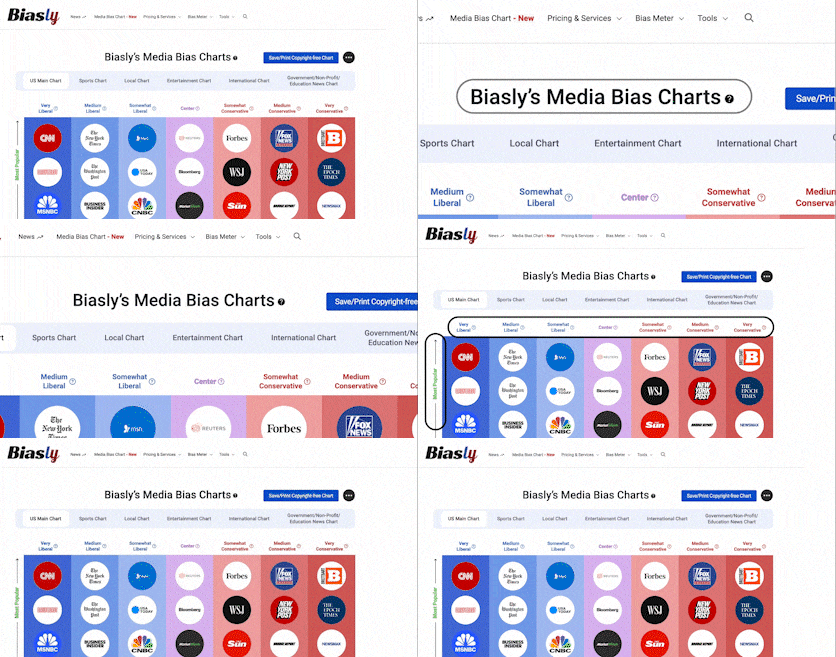
Readers can compare Palmer Report with other outlets using Biasly’s Media Bias Chart, which analyzes diction and tone in near real time.
Funding and Ownership
Who Owns Palmer Report?
Palmer Report was founded in 2016 by journalist and publisher Bill Palmer. Palmer continues to serve as the primary writer and publisher, supported by a small editorial team that helps manage daily content. He first gained recognition through earlier digital publishing ventures and later launched Palmer Report as a liberal-leaning platform focusing on U.S. politics, politicians, and international relations from a distinctly progressive perspective.
Since its launch, the outlet has positioned itself as an alternative voice on major political developments, emphasizing breaking news commentary, in-depth analysis of the Trump era, and coverage of insider dynamics in Washington. While its audience has grown internationally, the publication’s direction and editorial tone remain closely aligned with Palmer’s personal political viewpoints.
Who Funds Palmer Report?
Palmer Report is funded primarily through a mix of digital advertising and direct reader contributions. As online ad markets have weakened over time, the outlet has increasingly leaned on small-dollar donations and periodic crowdfunding campaigns (for example, via GoFundMe) to cover operating costs and keep the site running. This audience-supported model gives Palmer Report flexibility and independence from large institutional backers, but it can also create incentives to publish strongly worded, highly opinionated content that resonates with its core liberal readership and motivates continued donations.
Readers should keep this funding structure in mind when evaluating the site’s coverage, as reliance on a politically engaged donor base can reinforce existing editorial slants even when individual articles are factually accurate.
Additional Insights
News Source Comparison
Palmer Report is often compared with medium left national outlets. Sources like VICE, Business Insider, or Slate Magazine often present similar tones and editorial philosophies. Readers seeking balanced political coverage may compare Palmer Report’s framing of issues with outlets rated as Center, somewhat right, or Lean Right on our Media Bias Chart, or explore other national papers on our Similar Sources page.
Notable Contributors and Authors
Palmer Report mostly publishes articles written by the owner, Bill Palmer. Palmer covers political and social issues and started Palmer Report in 2016. Some contributing reporters are Robert Harrington, Shirley Kennedy, and James Sullivan, who give opinion and analysis pieces for Palmer Report.
Related Tools and Resource Pages
To better understand how Palmer Report fits into the broader media landscape, we recommend exploring these helpful resources:
- Media Bias Chart: See where Palmer Report ranks among hundreds of media outlets across the political spectrum.
- Political Bias Chart: Visualize political slants of news sources across various policy areas.
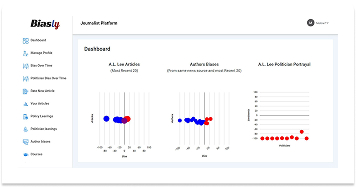
- Journalist Bias Analytics Platform: Explore how individual journalists contribute to bias within their publications.
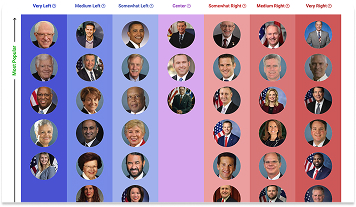
- Politician Bias Analytics Platform: Compare how politicians are framed differently by Palmer Report and other outlets.
- Media Literacy Education Platform: Learn how to critically assess media sources, bias techniques, and news reliability.
Frequently Asked Questions
Palmer Report is rated as Medium Left based on Biasly’s media bias algorithm, which assesses sentiment, article framing, and policy favorability.
Yes, Palmer Report has faced multiple accusations of misinformation and false reporting. Fact-checkers have repeatedly flagged Palmer Report articles as unverified or inaccurate, citing reliance on speculation and partisan conjecture. One such example could be that it published the claim that Russia had “kompromat” on Rep. Jason Chaffetz, which was debunked by fact-checkers. An example of how Bill Palmer, the owner, responds to these accusations can be found here.
Biasly uses a combination of AI sentiment analysis and human analyst review to assess tone, fact accuracy, source quality, and media bias indicators. Learn more on our Bias Meter page.
Generally, no, though partisan framing and selective reporting can affect perceived reliability.
Military Spending
| Date | Sentiment | Associated Article | Snippet |
|---|---|---|---|
| 08/25/2019 | 75% For | Trump Family Detentions Flores Agreement (link) | So, of course, the Trump administration is doing the opposite in a baldfaced |