









How News Sources Portray Border Asylum of Refugees Policy
This chart shows how major news sources across the ideological spectrum frame border asylum of refugees policy, from left to right-leaning perspectives.















Democrats tend to regard refugee migration more positively than Republicans. The Republican Party platform assumes the position that refugee intake is a potential national security threat and thus that increased screenings on refugee applicants is a necessity. The Democratic platform, meanwhile, speaks more generously about refugees, but still acknowledges a need for some form of screening. The difference between the parties’ perceptions of refugee migration is best reflected by polling. A Pew poll shows that 74% of Democrats believe the US has a responsibility to take in refugees, compared to only 26% of Republicans.
Democratic Stance on Border Asylum of Refugees
Democrats generally support preserving the right to seek asylum at the U.S. border, especially for people fleeing persecution, violence, or serious danger. They tend to oppose policies they view as overly harsh, such as family separation, blanket asylum bans, or forcing migrants to wait in unsafe conditions outside the country. Democrats usually favor expanding legal and humanitarian pathways, improving immigration courts, hiring more asylum officers and judges, and protecting vulnerable groups such as families, children, and victims of domestic or gang violence.
At the same time, Democrats do not usually describe their position as “open borders.” Many support stronger border management, faster processing, and more orderly systems for handling asylum claims, especially during major increases in border crossings. In recent years, Democratic leaders have also accepted some restrictions on asylum access when border numbers are very high. Overall, their stance tries to balance humanitarian protection with practical border control, arguing that the U.S. should offer refuge to people with valid claims while creating a more efficient and orderly immigration system.
Politicians Who Support Border Asylum of Refugees

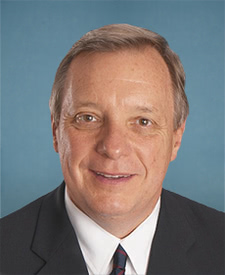
Richard J. Durbin
“Despite their desperation to reach safety, most migrants wish to enter the United States lawfully. Many wait months at our border for appointments to make asylum claims.”
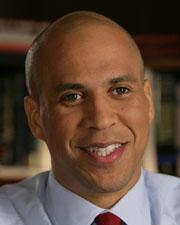
Cory A. Booker
“America is a nation of immigrants. This country has been built and shaped by those who have viewed it as a beacon of hope, and have come here fleeing terror, persecution, and violence in hopes of a better life. Our nation must live up to this history and enact immigration policies that reflect our most cherished values.”
Republican Stance on Border Asylum of Refugees
Republicans generally approach border asylum policy from a border-security and enforcement perspective. They argue that the asylum system is often abused by people who do not qualify for protection but use asylum claims to enter or remain in the United States. For that reason, many Republicans support stricter asylum eligibility rules, higher credible-fear standards, faster removals, more detention, limits on humanitarian parole, and policies such as Title 42 or “Remain in Mexico,” which make it harder for migrants to enter or stay in the U.S. while their cases are pending.
At the same time, Republicans are not always opposed to asylum or refugee protection in principle. Many say the U.S. should continue to protect people who are genuinely fleeing persecution, but only through a system that is controlled, legal, and enforceable. Their overall stance is that humanitarian protection should be balanced with national security, border control, and prevention of fraud or abuse. In short, Republicans tend to support asylum for qualified refugees while favoring tougher rules and stronger enforcement at the border.
Politicians Who Oppose Border Asylum of Refugees

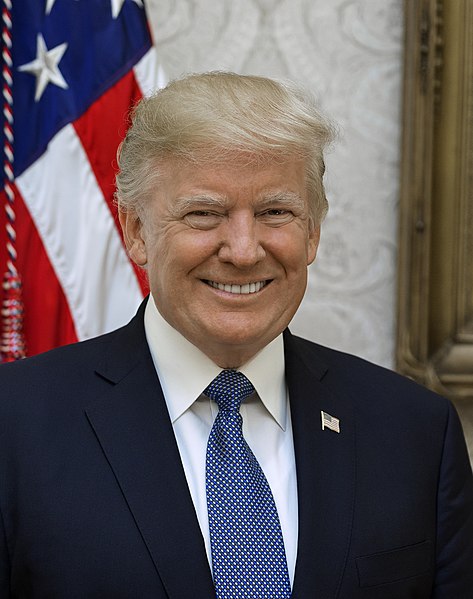
Donald Trump
“Asylum is not a program for those living in poverty. There are billions of people in the world living at the poverty level. The United States cannot possibly absorb them all. Asylum is a very special protection intended only for those fleeing government persecution... These caravans and illegal migrants are drawn to our country by [loopholes] collectively known as catch-and-release. It's a disgrace... They never show up for the trials. They never come back.”

Jeff Sessions
“The asylum system is being abused to the detriment of the rule of law, sound public policy, and public safety — and to the detriment of people with just claims. Saying a few simple words — claiming a fear of return — is now transforming a straightforward arrest for illegal entry and immediate return into a prolonged legal process, where an alien may be released from custody into the United States and possibly never show up for an immigration hearing.”
Political Implications
Border asylum for refugees remains one of the clearest dividing lines between the two parties because it combines immigration, national security, humanitarian law, and cultural identity into a single policy debate. Public opinion reflects that divide clearly: 74% of Democrats believe the United States has a responsibility to take in refugees, compared with only 26% of Republicans, according to Pew Research Center. That split helps explain why asylum policy has become a broader ideological conflict over how the U.S. should define its responsibilities at the border.
For Democrats, support for asylum tends to reinforce the party’s commitments to humanitarian protection, refugee rights, and the idea that the United States has legal and moral obligations toward people fleeing persecution or violence. For Republicans, skepticism toward expansive asylum access supports a broader message centered on sovereignty, deterrence, border enforcement, and concerns about abuse within the immigration system. As a result, border asylum has become more than a question of refugee intake; it now serves as a proxy for wider disagreements over compassion, control, and the proper role of government in managing migration.
The issue also has significant electoral and institutional consequences. It shapes campaign messaging, court battles over executive immigration rules, state-federal conflict, and public confidence in whether the government can effectively manage the border. Because asylum policy is so visible and emotionally charged, it remains one of the most politically consequential parts of the immigration debate.
What the Future Holds
The future of border asylum policy will likely depend on whether the United States can build a system that is both humane and administratively credible. Much of the debate ahead is likely to focus on asylum court backlogs, screening standards, detention policy, humanitarian parole, and whether claims can be processed more quickly without weakening legal protections for those fleeing genuine persecution. As migration pressures persist, policymakers will continue to face competing demands for faster enforcement and stronger humanitarian safeguards.
For Democrats, the future likely involves continued efforts to preserve the right to seek asylum while also demonstrating greater control over processing and border management during surges in arrivals. For Republicans, the future is more likely to involve support for tighter eligibility rules, faster removals, and stricter enforcement measures designed to reduce incentives for migrants to seek entry through the asylum system. Even where both parties acknowledge that reform is necessary, they remain divided on whether the priority should be access and protection or deterrence and restriction.
More broadly, border asylum is likely to remain a major issue in U.S. politics as long as migration pressures, regional instability, and domestic polarization continue. The long-term direction of the policy will depend on whether elected officials can create a system that is legally durable, politically sustainable, and trusted by the public as both fair and enforceable.
