









How News Sources Portray Death Penalty Policy
This chart shows how major news sources across the ideological spectrum frame death penalty policy, from left to right-leaning perspectives.













Many of the media biases we observe, whether in news coverage or political rhetoric, stem from fundamental differences in policy perspectives held by major political parties. One of the many key points of conflict is the death penalty.
The death penalty refers to “state-sanctioned executions for those convicted of severe crimes”, such as murder or acts of terrorism. It is one of the most controversial topics, highlighting divergent views on justice, morality, and governance. The debate around capital punishment touches on ethical questions, public safety concerns, and the proper role of the state in determining life and death. Policies on the death penalty often extend beyond legal frameworks to cultural, religious, and social perspectives.
This extreme form of punishment has been part of human societies for centuries, reflecting a society’s stance on retribution and deterrence. At the same time, public policy on the death penalty highlights the legal mechanisms, institutional practices, and political decisions that govern how the death penalty is implemented.
The Democratic Stance on the Death Penalty
The Democratic stance on the death penalty generally emphasizes restraint, caution, and human rights concerns. Historically, the party has moved toward limiting capital punishment, reflecting a broader commitment to criminal justice reform. Democrats argue that the death penalty brings up numerous issues, such as the potential for wrongful convictions, racial and socioeconomic disparities, and ethical objections to state-sanctioned killing.
The Democratic Party is also generally influenced by international standards and norms. Countries that have abolished the death penalty often cite moral and practical reasons, emphasizing rehabilitation over retribution. Democratic policymakers in the U.S. frequently advocate for alternatives such as life imprisonment without parole and increased oversight of the criminal justice system.
Additionally, the Democrats usually consider public opinion when shaping policies on the death penalty. Surveys have shown that while a significant portion of Americans historically support capital punishment, that same support declines when the risks of wrongful convictions are highlighted. This is why Democrats approach government policy on the death penalty with caution, promoting policies that reduce executions, increase legal safeguards, and encourage state-level reforms.
Politicians Who Oppose Death Penalty

The Democratic stance on the death penalty generally emphasizes restraint, caution, and human rights concerns.

Joe Biden
“Work to pass legislation to eliminate the death penalty at the federal level, and incentivize states to follow the federal governments example. […] [Those convicted of the most egregious federal crimes] should instead serve life sentences without probation or parole”
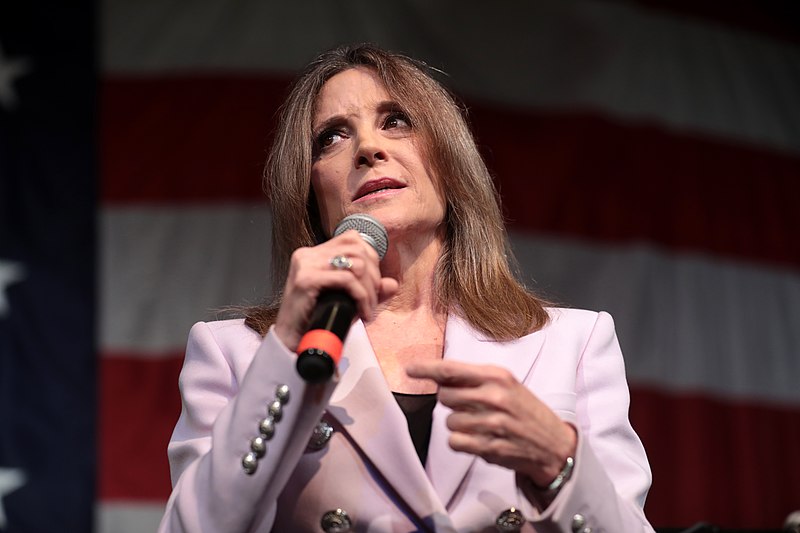
Marianne Williamson
“Marianne Williamson tweeted: “I agree.” in response to Gov. John Bel Edwards tweeting: “The death penalty doesnt deter crime; it isnt necessary for public safety; and it is wholly inconsistent with Louisianas pro-life values as it quite literally promotes a culture of death. For these reasons I support RepKyleGreens bill to abolish the death penalty.”
The Republican Stance on the Death Penalty
In contrast to the Democratic Party, Republicans often emphasise deterrence, public safety, and law and order. The Republican stance on the death penalty reflects the belief that capital punishment is a necessary tool for punishing the most heinous crimes and preventing recidivism. This follows a commitment to maintaining death penalty policies across states that still allow executions.
Republicans also frame the death penalty as part of a broader political spectrum in which maintaining strict penalties for severe crimes reinforces societal norms and justice. This perspective often aligns with conservative beliefs in personal responsibility and strong criminal justice enforcement.
The Republican stance on the death penalty prioritizes victims’ rights and public safety over concerns about wrongful convictions. The party frequently opposes efforts to abolish the death penalty at both the state and federal levels. This focus often leaves flexibility for states to implement executions while supporting strong federal oversight to ensure procedures comply with constitutional requirements.
Politicians Who Support Death Penalty
The Republican stance on the death penalty often emphasizes deterrence, public safety, and law and order.
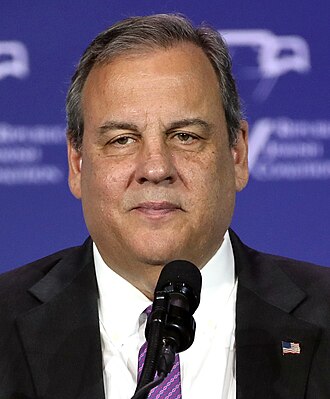
Chris Christie
“Ive always believed that the death penalty is appropriate, and the reason its appropriate is because its an act of self-defense.”
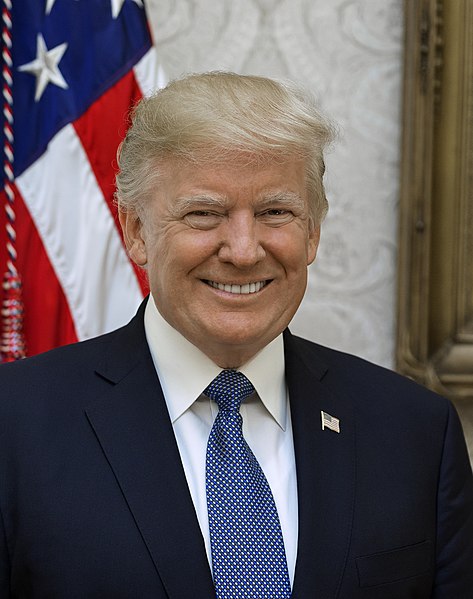
Donald Trump
“I will urge Congress to ensure that anyone caught trafficking children across our border receives the death penalty, immediately,”
Policy on the Death Penalty in the United States
The death penalty policy in the United States reflects a complex intersection of state and federal law. As of now, capital punishment remains legal in 27 states, while 23 states and the District of Columbia have abolished it. This explains the dynamics of major political parties regarding the death penalty and how federal vs state policies vary.
Federal law permits the death penalty in certain cases, particularly crimes that cross state lines or involve national security. The federal government’s stance on the death penalty has fluctuated with different administrations. Some presidents have advocated for the use of the death penalty in cases of terrorism or heinous crimes, while others have called for re-evaluations of federal execution protocols.
The U.S. Supreme Court has also played a key role in shaping death penalty policy in the U.S. Landmark decisions have influenced methods of execution and who is eligible for capital punishment. Issues such as mental competency, juvenile offenders, and racial bias have all been examined under the constitutional framework. Furthermore, ongoing debates consider how international standards and human rights obligations impact national policy on the death penalty. While the U.S. continues to use capital punishment, it also faces criticism from global organizations that advocate for abolition.
A Brief History of the Death Penalty in the U.S.
The history of the death penalty has been prominent in the United States since colonial times, usually intertwined with slavery, segregation, and social reform movements. The first established law on the death penalty began with the Code of Hammurabi, which codified the death penalty for 25 different crimes. Afterwards, multiple sets of codes were enacted, punishing criminals with death through crucifixion, drowning, beating to death, and burning alive.
America was influenced by the growing use of death as punishment and began implementing it. It was first recorded in Virginia when Captain George Kendall was executed for being a spy for Spain. In 1612, the death penalty became more than a punishment for treason, but even for minor offenses, such as stealing grapes, killing chickens, and trading with Indians.
Over the 19th and 20th centuries, reforms gradually restricted the use of the death penalty, emphasizing more humane methods and limiting the types of crimes eligible for execution. In the 1970s, the Supreme Court temporarily halted executions in Furman v. Georgia (1972), citing inconsistencies in arbitrary sentencing. This prompted the states to revise their laws, leading to the reinstatement of the death penalty in Gregg v. Georgia (1976). These events show that policy is closely tied to judicial oversight.
The use of the death penalty has declined sharply in the United States over the past 25 years. Throughout history, debates have intersected with major societal issues, including civil rights, immigration, and types of crime. These concerns have sparked reforms and studies, shaping the implementation of policies as a legal and social issue.
What the Future Holds
The future of the death penalty shows a steady decline, but it is still uncertain, as many things can change. It will likely continue to be shaped by legal scrutiny, public opinion, and political leadership, focusing on alternatives to executions that include restorative justice, life imprisonment, and rehabilitation.
Ultimately, the U.S. continues to balance between retributive justice, public safety, and ethical considerations. As society debates the morality, legality, and effectiveness of capital punishment, policymakers weigh the historical precedent, current practices, and future implications to craft sound policies regarding the death penalty.
To explore how each political party views other key policy topics, visit Biasly’s full list of Political Party Policy Stances.
To unlock more data-driven insights into media bias, explore political leanings with research-backed tools, and customize your news feed around what matters most to you, sign up for a Biasly Premium News Membership.
