









How News Sources Portray Criminal Justice Reform Policy
This chart shows how major news sources across the ideological spectrum frame criminal justice reform policy, from left to right-leaning perspectives.
















Many of the media biases we observe, whether in news coverage or political rhetoric, stem from fundamental differences in policy perspectives held by major political parties. One of the many key points of conflict is criminal justice reform.
Criminal justice reform refers to “efforts to reform the American criminal justice system.” Major themes include ameliorating structural inequities like racial profiling, police brutality, overcriminalization, mass incarceration, and recidivism. These issues frequently create sharp divides in politics because each party frames the causes and solutions differently, contributing to biased portrayals in the media and public debate.
This topic touches on policing, courts, prisons, constitutional protections, and civil rights, regularly appearing in discussions of criminal justice policies and how they shape American society.
The Democratic Stance on Criminal Justice Reform
The Democratic stance on criminal justice reform has consistently emphasized reducing structural inequalities and reshaping institutions to make them more equitable. The Party’s official platform openly supports criminal justice reform and regularly stresses the need to reduce mass incarceration, expand access to rehabilitation programs, and strengthen police accountability. Democrats frequently argue that the system disproportionately harms marginalized groups and thus requires significant change. This aligns with themes that call for broad criminal justice policy reform.
The Democratic Party generally supports ending mandatory minimum sentences and cash bail. They advocate for legal reforms to reduce overcriminalization and expand community-oriented policing. These goals reflect broader concerns that many criminal justice policies need to change and continue to reinforce inequities. Within the party, reentry programs are also supported, as well as alternatives to incarceration, mental health interventions, and reforms aimed at reducing police violence.
Overall, Democratic policies on criminal justice argue that current systems create unequal outcomes and therefore require structural change.
Politicians Who Support Criminal Justice Reform
87% of Democrats would like to see the US prison population reduced.
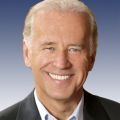
Joe Biden
“I’ve long been a firm believer in the power of community policing getting cops out of their cruisers and building relationships with the people and the communities they are there to serve and protect. That’s why I’m proposing an additional $300 million to reinvigorate community policing in our country. Every single police department should have the money they need to institute real reforms like adopting a national use of force standard, buying body cameras, and recruiting more diverse police officers.”
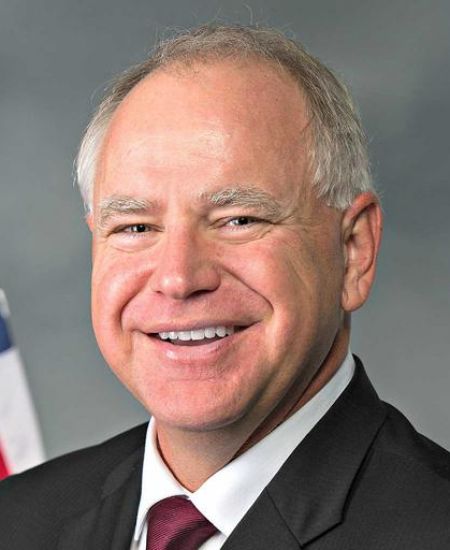
Tim Walz
“We’re a country of second chances, and we’re a country of welcoming people back in, and the idea of not allowing those voices to have a say in the very governing of the communities they live in is simply unacceptable.”
The Republican Stance on Criminal Justice Reform
The Republican stance on criminal justice reform shows moderate support for certain reform ideas among voters. However, leaders traditionally emphasize public safety, law enforcement authority, and punitive sentencing. The party often stresses the importance of law and order, resulting in continued support for mandatory minimums, capital punishment, and other policies opposed by many reform advocates.
Republican politicians frequently frame criminal justice reform debates through a public safety lens, expressing reluctance toward changes that might reduce penalties for violent or repeat offenders. This aligns with broader themes connected to the Republican stance on the criminal justice system. Although some Republicans support targeted reforms, the party generally argues that they must not compromise safety or weaken law enforcement.
Public opinion among Republican voters is more mixed and often less polarized than on other issues, allowing space for bipartisan cooperation on limited reforms.
Politicians Who Support Criminal Justice Reform

57% of Republicans would like to see the US prison population reduced.
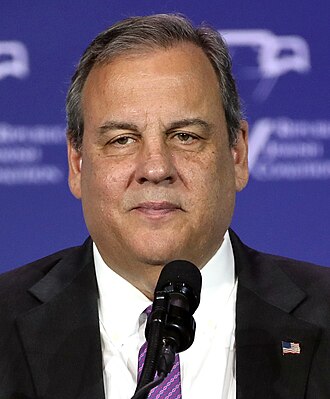
Chris Christie
“How does not enforcing the law further the democracy or make us safer?… As a governor one of the big changes that we made in our state was giving judges the permission to detain violent criminals with a history of violence pre-trial so they wouldn’t go back out on the streets kill witnesses or other innocent victims. I think it’ll be a very interesting fight here in New York City […] One of the big reforms we did was in the city of Camden New Jersey, which is 95% African American and Latino, and what we did was we fired the entire Camden City police force because they were so inept at preventing crime and reestablished a new County Police force with a Metro division in Camden, and you know what’s happened, Trey? Murder went down over the next 7 years 75%, armed robbery went down over 80%, shootings went down 70%. When you have police officers who are empowered on the street to work with the community they’re protecting to stop violence crime and you have prosecutors willing to prosecute those cases then you have safe neighborhoods again.”
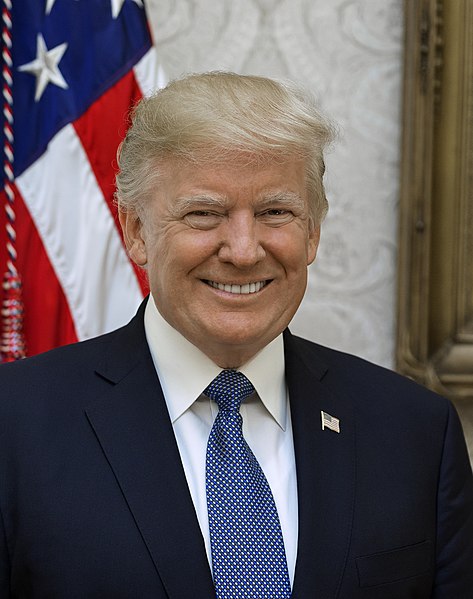
Donald Trump
“There is no higher priority than quickly restoring law and order and public safety in America […] Joe Biden and the radical left politicians have defunded, defamed, and dismantled police forces across America. Murders spiked to all-time highs in Democrat-run cities and radical prosecutors and District Attorneys have given free rein to violent criminals who threaten our citizens. The streets of our once-great cities are now controlled by gangs and cartels, and plagued with mentally ill and drug-addicted homeless.”
Policy on Criminal Justice Reform in the United States
Criminal justice policy in the U.S. spans policing, courts, sentencing, and corrections. The system’s complexity means that reform efforts often require cooperation across federal, state, and local levels, resulting in slow or uneven changes. Reform supporters frequently argue that policies promoting mass incarceration, racial disparities, and recidivism need to change. Opponents of broad reform often argue that such policies are necessary to preserve public safety.
Generally, criminal justice reform polls well among both Democratic and Republican voters. 87% of Democrats and 57% of Republicans would like to see the US prison population reduced. However, despite general support for criminal justice reform among voters of both parties, the Republican Party leadership has been more hesitant to embrace it. The 2016 party platform reiterated support for measures such as mandatory minimums and capital punishment, practices often critiqued by proponents for criminal justice reform. This contrasts with the Democratic platform, which expressly commits to criminal justice reform.
Current approaches to policy in the criminal justice system include sentencing reductions for nonviolent drug offenses, police oversight mechanisms, risk-assessment tools, reentry programs, and limits on the use of cash bail. These efforts reflect ongoing questions about why policy is important in the criminal justice system, especially as state and federal governments reevaluate how to balance accountability with fairness.
A Brief History of Criminal Justice Reform in the U.S.
Criminal justice reform in the United States has evolved over decades in response to changing social, economic, and political pressures. Early reforms in the mid-20th century focused on improving prison conditions, expanding rehabilitative programs, and professionalizing police departments. However, from the 1970s through the 1990s, policies shifted significantly toward punitive approaches, including mandatory minimum sentences, three-strikes laws, and large-scale prison expansion. This contributed to one of the highest incarceration rates in the world.
The late 2000s and 2010s saw renewed interest in reform due to concerns about cost, overcrowding, racial disparities, and police misconduct. High-profile incidents of police violence and the growing visibility of racial injustice movements called for change in the system. The bipartisan First Step Act of 2018 marked a significant moment in modern reform, signaling that both parties could agree on limited sentencing and reentry reforms.
What the Future Holds
The future of criminal justice reform will likely involve continued debate over balancing accountability and fairness, as well as tensions around state and federal authority. Democrats will likely continue advocating for changes in systemic inequality, reduced sentencing, and increased public oversight. Republicans may support targeted reforms related to reentry, mental health, and addiction, resisting changes that they believe will weaken public safety.
As efforts progress, policymakers will continue to restructure criminal justice reform policies in response to new research, public pressure, and court rulings. Issues such as zero-tolerance policies, cash bail, police militarization, and constitutional protections in criminal cases will remain central to discussions.
Overall, criminal justice reform will remain a contested but vital issue in American politics, shaped by shifting public attitudes, evolving research, and ongoing debates about the meaning of justice in a democratic society.
To explore how each political party views other key policy topics, visit Biasly’s full list of Political Party Policy Stances.
To unlock more data-driven insights into media bias, explore political leanings with research-backed tools, and customize your news feed around what matters most to you, sign up for a Biasly Premium News Membership.
