









How News Sources Portray Drug Price Regulation Policy
This chart shows how major news sources across the ideological spectrum frame drug price regulation policy, from left to right-leaning perspectives.






Many of the media biases we observe, whether in news coverage or political rhetoric, stem from fundamental differences in policy perspectives held by major political parties. One of the many key points of conflict is drug price regulation.
Drug price regulation refers to the United States government imposing price restrictions on prescription drugs to reduce costs for individuals. It centers on policies where the government limits or negotiates prices to make prescription drugs more affordable since the cost affects nearly every American family, constantly shaping elections and public opinion. For this reason, drug pricing policies have become a defining political topic central to broader debates about healthcare, federal power, and economic fairness.
The Democratic Stance on Drug Price Regulation
Democrats generally support stronger federal involvement in managing prescription drug costs, arguing that high prices hurt vulnerable populations and allow pharmaceutical companies to operate without enough accountability. They favor measures such as government negotiation for Medicare drug prices, caps on out-of-pocket costs, and limits on insulin pricing. Much of this idea aligns with efforts to improve overall healthcare affordability.
The Democratic Party often emphasizes that policy on prescription drug pricing is essential for reducing economic inequality and improving public health outcomes. Their policy stance on drug price regulation tends to support removing unfair burdens on seniors, low-income families, and people with chronic conditions. For them, policies should prioritize affordability and fairness.
Democratic voters consistently back aggressive regulation. Surveys show high support for federal negotiation and cost caps, aligning directly with the broader Democratic view that the government should step in when market pricing becomes unaffordable or harmful to public health.
Politicians Who Support Drug Price Regulation
84% of Democrats were more likely to vote for a candidate supporting limits on out-of-pocket prescription drug costs for people with Medicare.
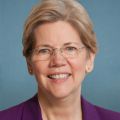
Elizabeth Warren
“In market after market, competition is dying as a handful of giant companies spend millions to rig the rules, insulate themselves from accountability, and line their pockets at the expense of American families. The solution here is not to replace markets, but to fix them.”
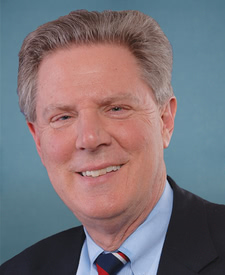
Frank Pallone Jr.
“Democrats gave Medicare the power to negotiate prescription drug prices, but there's more that we can do to lower more prices sooner. It's time we make these lower prices available to everyone with private insurance.”
The Republican Stance on Drug Price Regulation
The Republican Party acknowledges that drug prices are too high, but typically prefers market-based solutions rather than expanding federal power. They tend to favor increasing competition, lowering regulatory barriers for generic drugs, and improving price transparency rather than imposing strict pricing rules.
Republicans tend to be skeptical of excessive federal intervention, arguing that over-regulation could disrupt innovation, reduce patient access, or discourage pharmaceutical research. While some Republicans support targeted measures, most oppose broad federal negotiation programs. Their stance reflects a belief that drug pricing regulations should be limited and designed to preserve competition.
Politicians Who Oppose Drug Price Regulation
48% of Republicans were more likely to vote for a candidate supporting limits on out-of-pocket prescription drug costs for people with Medicare.
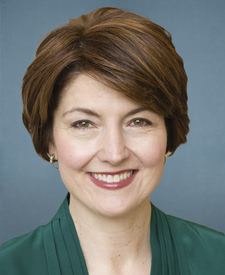
Cathy McMorris Rodgers
“Government price controls will not make drugs more affordable for patients—they will simply limit choice and destroy the incentives that drive the research and development of life-saving cures.”
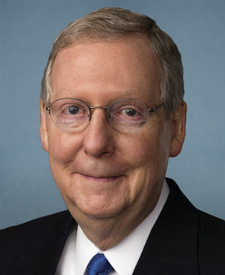
Mitch McConnell
“Democrats have decided the path to lower prescription drug prices is to empower the federal government to dictate prices... This will lead to less innovation, fewer new drugs, and patients having less access to the care they need.”
Policy on Drug Price Regulation in the United States
The United States employs a mixed regulatory approach when enforcing drug price regulation, often combining market competition with selective federal control through programs like Medicare. Recent laws have expanded federal authority, especially over high-cost drugs.
In August 2022, President Biden signed the Inflation Reduction Act (IRA), a new law containing provisions related to prescription drug costs. It was the first major federal action in decades aimed at lowering drug prices, giving Medicare new tools to control costs, and shifting the political debate toward affordability and government intervention. It also shows how drug price policy is evolving from a hands-off approach to a more active government involvement.
The KFF Health Tracking Poll (September 15-26, 2022) found that 84% of Democrats were more likely to vote for a candidate supporting limits on out-of-pocket prescription drug costs for people with Medicare compared with 48% of Republicans. This gap demonstrates how Democrats overwhelmingly support these measures, while Republicans remain skeptical toward expanding federal involvement in healthcare.
Additionally, the poll found 83% of Democrats were more likely to vote for a candidate supporting capping monthly out-of-pocket costs for insulin for people with Medicare compared with 47% of Republicans. Furthermore, 79% of Democrats were more likely to vote for a candidate supporting authorizing the federal government to negotiate the price of some prescription drugs for people with Medicare compared with 38% of Republicans.
The partisan disagreement is clear here, demonstrating how Democrats support government negotiation as a way to lower prices, while Republicans oppose these tactics because they could distort market competition or reduce pharmaceutical innovation. However, President Trump’s 2025 Executive Order on Most-Favored-Nation (MFN) pricing adds more nuance to this divide. By negotiating major price cuts with Eli Lilly and Novo Nordisk, the cost of drugs like Ozempic and Wegovy has been reduced by hundreds of dollars. This reflects a strategy used that closely resembles the Democratic price regulation ideology.
Even though this order was framed as a way to stop “global freeloading” and protect American patients, the policy still relied on strong federal pressure to lower prices. This shows that, in practice, even Republican leaders may support government-driven price reductions when drug costs become a top concern for voters. The structure of policy on prescription drug pricing will remain one of the most contested issues in federal economic and healthcare policymaking.
A Brief History of Drug Price Regulation in the U.S.
For most of American history, drug prices were not regulated at the federal level. Early laws focused on safety rather than costs, such as the Pure Food and Drug Act of 1906, which protected consumers by prohibiting the sale of misbranded or adulterated food and drugs in interstate commerce. The Food, Drug, and Cosmetic Act of 1938 was another law that gave the Food and Drug Administration (FDA) authority to regulate the safety, manufacturing, and distribution of food, drugs, medical devices, cosmetics, and tobacco products.
The federal government became more involved once drugs became a major component of healthcare spending. The Medicare Prescription Drug, Improvement, and Modernization Act of 2003 introduced Medicare Part D, an optional private insurance plan that helps cover the cost of prescription drugs for people with Medicare. It explicitly barred the federal government from negotiating drug prices, shaping the direction of legislation on drug pricing in the United States for almost two decades.
Public dissatisfaction and rising prices eventually led to major reforms in 2022 with the Inflation Reduction Act (IRA), which introduced the first federal negotiation powers.
What the Future Holds
Future drug pricing policy will depend heavily on which political party controls the Executive and Legislative branches. If the Democrats lead, there will be more expanded negotiations with the government and Medicare, including insulin caps and wider cost-control mechanisms. They may push for extending negotiation power to private insurance markets.
If Republicans lead, reforms will focus on competition and innovation. The party will focus on lowering barriers for generics, improving price transparency, and reducing what they consider unnecessary regulation. They will likely resist expanding federal negotiation authority, arguing it could limit innovation or access to certain drugs.
Regardless of political control, voter concerns over rising drug prices guarantee that drug pricing regulations remain a major national issue, central to the future of American healthcare and economic policy.
To explore how each political party views other key policy topics, visit Biasly’s full list of Political Party Policy Stances.
To unlock more data-driven insights into media bias, explore political leanings with research-backed tools, and customize your news feed around what matters most to you, sign up for a Biasly Premium News Membership.
