









How News Sources Portray Government Regulation Policy
This chart shows how major news sources across the ideological spectrum frame government regulation policy, from left to right-leaning perspectives.













Many of the media biases we observe, whether in news coverage or political rhetoric, stem from fundamental differences in policy perspectives held by major political parties. One of the many key points of conflict is government regulation.
Government regulation refers to laws and rules used by the state to guide and shape the economy, society, and the environment, including taxes and financial or environmental requirements imposed on businesses and citizens. Democrats are generally more supportive of government regulations, while Republicans are opposed. The Democratic Party believes these rules are necessary to protect people and ensure fairness, while the Republican Party sees many regulations as costly barriers that slow national growth.
The Democratic Stance on Government Regulation
Democrats support stronger regulation because they view the government as a tool that should protect citizens, stabilize markets, and ensure equal treatment. The Democratic stance on government regulations calls for increased regulations in several spheres, including environmental and labor policy. The party emphasizes using federal power to solve large-scale problems that create stability and reduce harm.
The Democratic Party often favors federal solutions rather than leaving decisions to individual states, especially when handling nationwide concerns, such as pollution, healthcare access, or financial oversight. This connects to issues that aim to establish national standards.
The Democratic platform typically supports rules that enhance worker protections, consumer rights, public health, and especially environmental safeguards. These beliefs extend to areas like healthcare policy and regulations, climate standards, and even corporate accountability. Democrats also tend to support agencies such as the EPA, IRS, and FBI because they reinforce U.S. public policies that align with Democratic principles. For Democrats, regulation is not about limiting business, but about creating fairness, safety, and long-term stability.
Politicians Who Support Government Regulation
59% of Democrats view the IRS favorably, 77% view the FBI favorably, and 61% view the EPA favorably.
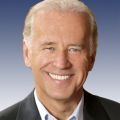
Joe Biden
“Biden issued an order to modernize regulatory review saying it’s for supplementing and reaffirming the principles, structures, and definitions of contemporary regulatory review which seeks to serve the public interest.”

Kamala Harris
“My plan will include new penalties for opportunistic companies that exploit crises and break the rules, and we will support smaller food businesses that are trying to play by the rules and get ahead.”
The Republican Stance on Government Regulation
The Republican platform frequently condemns federal regulations and even goes as far as to call regulation “quiet tyranny”. It generally opposes expanding federal regulations because Republicans believe that too much government control restricts individual freedom and makes it harder for businesses to grow. The Republican stance on government regulation pushes for lower taxes, fewer rules, and less federal oversight.
The party often argues that the market functions best when the government stays out. This is why they prefer states setting their own rules instead of the federal government. It reflects broader conservative beliefs in which Republicans advocate limited involvement to support economic growth. Republicans argue that free markets usually work best when the government steps back and allows competition to determine outcomes. This is why they view regulations as unnecessary, expensive, and harmful to job growth, especially in industries like energy, finance, and manufacturing.
Many party members prefer decisions to be made at the state level rather than by federal agencies. They frequently push to scale back regulations, simplify requirements, or eliminate rules they consider rooted in government involvement.
Politicians Who Oppose Government Regulation
49% of Republicans view the IRS favorably, 66% view the FBI favorably, and 55% view the EPA favorably.
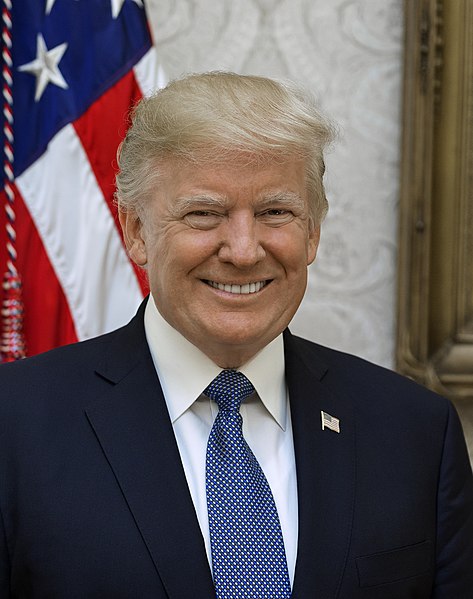
Donald Trump
“Trump issued an executive order to cut regulations and said This will be the largest ever cut by far in terms of regulation.”
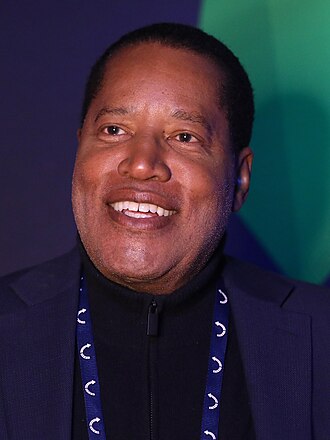
Larry Elder
“Regulations and laws that benefit a select few have sent home prices soaring. I will repeal those perverse regulations […] We have builders eager to build for the large and growing population in California, but their hands are tied by unnecessary regulation […] California has been devastated for years by a radical tax policy, and, more recently, forced business closures […] These are government barriers to the growth of the middle class. As governor, I will go to bat for my fellow Californians to reduce their tax burden and alleviate regulatory burdens on their entrepreneurship.”
Policy on Government Regulation in the United States
Government regulation in the U.S. often shifts depending on who controls Congress and the White House. Polling data indicate that Democrats report higher support for regulatory agencies than Republicans do; 59% of Democrats view the IRS favorably, versus 49% of Republicans; 77% of Democrats view the FBI favorably, versus 66% of Republicans; and 61% of Democrats view the EPA favorably, versus 55% of Republicans.
When Democrats rule the national government, regulations expand, specifically in healthcare, environmental protection, and labor standards. These views usually represent the idea of federal responsibility for safety and fairness. When Republicans lead, the focus shifts to deregulation policies that reduce federal requirements and give more authority to the states. They usually oppose too many rules that limit job growth, hurt small businesses, and slow down the economy.
This ongoing debate often drives frequent shifts in government policy change and policy regulation, especially regarding taxes, healthcare, pollution, and business operations. These disagreements reflect different ideas that represent valid points when protecting the nation and its people. Both parties’ policy stances on government regulation depict government involvement as a key part of national policy, but they differ over whether regulation helps or hurts the country.
A Brief History of Government Regulation in the U.S.
Historically, government regulation in the U.S. has increased the most during national crises when the public expects the federal government to step in and restore stability. These moments often trigger sweeping policy changes that reshape the state’s interaction with the economy and society.
A key example occurred during the Prohibition of the 1920s. This led the government to expand regulatory and enforcement powers as it struggled to combat bootlegging and organized crime. The National Prohibition Act (Volstead Act) strengthened federal authority by defining illegal alcohol and empowering federal agents to investigate and arrest violators, although enforcement proved difficult and controversial.
When the Great Depression began in the 1930s, the government created financial, labor, and banking regulations to rebuild trust in the economy and protect workers. The Securities Act of 1933 forced companies to provide truthful financial information to investors, and the Social Security Act of 1935 created unemployment insurance and retirement benefits.
The Civil Rights Movement of the 1960s resulted in major federal regulations through laws such as the Civil Rights Act of 1964. This act banned discrimination in employment and public accommodations. Additionally, the Voting Rights Act of 1965 prohibited discriminatory voting practices and authorized federal oversight of elections in targeted states. These interventions significantly expanded federal authority to protect constitutional rights.
In the early 2000s, major corporate scandals exposed widespread fraud and weak oversight, prompting Congress to pass tougher accounting and auditing rules. This led to the Sarbanes-Oxley Act of 2002, which required stricter corporate auditing and created new penalties for fraud. It also mandated stronger internal controls within companies to protect investors and prevent future accounting abuses.
More recently, during the 2020-2022 COVID-19 pandemic, both Democrats and Republicans supported temporary regulations to manage public health, stabilize markets, and distribute federal aid. Emergency regulations and relief laws, such as the CARES Act, distributed direct payments to citizens, offered loans to businesses, and expanded unemployment benefits. These measures were designed to prevent a major economic collapse while protecting citizens during a crisis.
Despite this, government regulations were not always expanded. In the 1980s, there was a deliberate shift toward deregulation as leaders argued that reducing federal oversight would encourage business growth, increase competition, and boost overall wealth. These historical cycles show a long-running tension between how the country approaches policy v. regulation.
What the Future Holds
The future of U.S. regulation will center on the different stances of major political parties. While Democrats usually push for more federal rules to solve problems and protect the public, Republicans often aim to scale back regulations they see as burdensome or harmful to economic freedom. This dynamic shows that the U.S. will continue to debate federal versus state policies and legislation that expand or restrict government involvement in businesses and citizens.
These debates will focus on which regulations truly benefit the public, while reflecting major policies and historical commitments. No matter which political party is in power, regulation will continue playing a key role in shaping the country’s future policymaking.
To explore how each political party views other key policy topics, visit Biasly’s full list of Political Party Policy Stances.
To unlock more data-driven insights into media bias, explore political leanings with research-backed tools, and customize your news feed around what matters most to you, sign up for a Biasly Premium News Membership.
