









How News Sources Portray Marijuana Legalization for Recreational Use Policy
This chart shows how major news sources across the ideological spectrum frame marijuana legalization for recreational use policy, from left to right-leaning perspectives.















Support for the legalization of medical marijuana policies has become increasingly popular among both Democrats and Republicans. Public opinion polls from early 2024 show that marijuana legalization has strong bipartisan support, but views diverge when distinguishing medical from recreational use. According to Pew Research Center, 42% of Republicans and Republican-leaning independents say marijuana should be legal for both medical and recreational use, compared with 72% of Democrats.
When accounting for medical cannabis specifically, an additional 39% of Republicans favor legal access for medical use only, bringing total Republican support for medical legalization to about 81%. Democrats also show similarly strong support, with 73% endorsing both medical and recreational legalization, and an additional 21% favoring medical-only legalization, for a combined 94% backing medical access. For more political divergence in the media, check out our news bias ratings.
Brief history of Medical Marijuana Legalization in the U.S.
Although Cannabis was widely available as an over-the-counter remedy in the early 20th century, anti-drug sentiment grew, and by 1937, the Marihuana Tax Act effectively criminalized cannabis nationwide. In 1970, Marijuana was classified as a Schedule I Classification under the Controlled Substances Act, meaning that it was deemed to have no accepted medical use and became a highly potent drug for abuse (on par with heroin). Then, in 1996, California legalized medical marijuana with Proposition 215, making it the first state to legalize marijuana for medical use. The new law allowed patients with certain chronic illnesses to use cannabis with a doctor’s recommendation.
Throughout the early 21st century, more states such as Oregon, Maine, Colorado, and Nevada began to pass medical marijuana policy through ballot initiatives that allowed patients with qualifying conditions to obtain cannabis from licensed dispensaries or grow it themselves. Later, in 2013, federal policy began to soften with the Cole Memorandum, which instructed prosecutors not to interfere with states that had legalized marijuana as long as specific federal priorities such as preventing youth access or interstate trafficking were upheld.
While not legalizing marijuana entirely, the 2018 Farm Bill removed hemp (cannabis with less than 0.3% THC) from the Controlled Substances Act, opening the door for CBD-based products, which have commonly been used for medical purposes. As of 2025, 28 states, including Washington, D.C., have legalized medical marijuana, which demonstrates a dramatic shift in the history of the legalization of medical marijuana. Furthermore, conservative-leaning states such as Mississippi, Alabama, and Utah have enacted medical marijuana programs. Although federal legislation remains stalled, multiple bipartisan bills, including the STATES Act and the SAFE Banking Act, reflect shifting attitudes in Congress.
Democratic Stance on Medical Marijuana
The Democratic Party has shown consistent support for the medical legalization of Marijuana. Leftwing politicians often cite the therapeutic benefits of conditions like chronic pain, epilepsy, PTSD, and cancer-related symptoms for their legalization. The democratic stance on the legalization of marijuana was clearly outlined in the parties’ 2020 platform, in which the Democratic National Committee (DNC) called for the decriminalization of Marijuana use and rescheduling it on a federal level for all states. Democratic leaders continue to promote policies of expansion towards the use of medical marijuana and protect state-level programs from federal interference.
Democratic lawmakers have introduced numerous bills to legalize marijuana on a federal level through movements like the MORE Act and protect state medical marijuana programs, such as the CARERS Act. Furthermore, the party has expanded research on cannabis’ medical benefits and aimed to increase veterans’ access to medical marijuana through the VA system. Prominent figures like Chuck Schumer have also endorsed marijuana reform in New York, stating, “I am glad that all sides are working hard to push this over the finish line.” For more rated politicians, visit Biasly’s politicians’ bias ratings.
Overall, Democrats generally favor a federalist approach to medical marijuana legalization, which allows states to run their programs without fear of federal enforcement. This has been in contrast to previous programs that have tended to crack down on state dispensaries. Moreover, the party has strongly supported the legalization of marijuana for medical use. It views it as a matter of compassionate healthcare, scientific progress, and individual rights, with a broader approach encompassing criminal justice reform and increased protections for providers.
Politicians Who Support Marijuana Legalization for Recreational Use Rights
66% of Democrats and Democratic‑leaning independents support legalizing marijuana for recreational use.
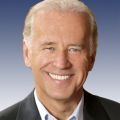
Joe Biden
“As Ive said before, no one should be in jail just for using or possessing marijuana.Today, Im taking steps to end our failed approach. Allow me to lay them out.”
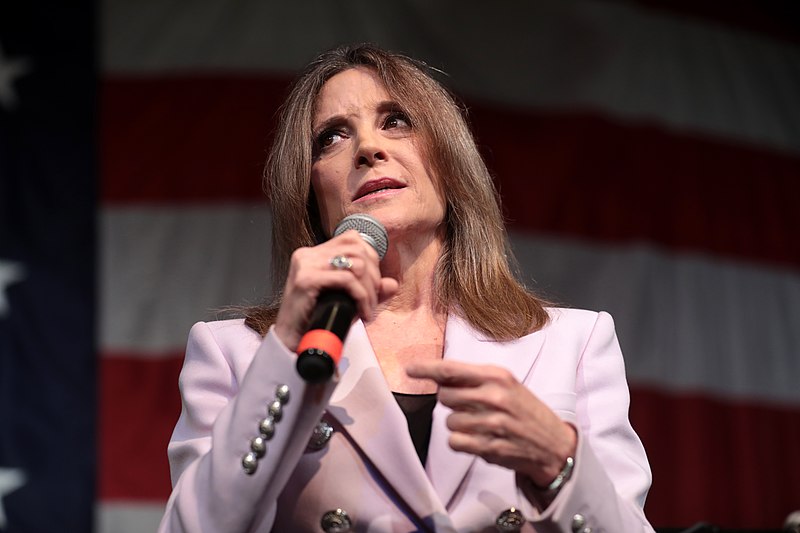
Marianne Williamson
“The LGBTQIA+ communities are equal citizens of this country and thus deserve full and equal protection under the law. They should be able to pursue a livelihood free from discrimination and have all of the rights afforded under the US Constitution not because of their sexual orientation but because they are American citizens. In a Williamson administration, no person, no matter their sexual orientation or gender identity, will feel unsupported by their government. They will live with the absolute knowledge that they and their rights are both honored and protected by the highest authorities in the land.”
Republican Stance on Medical Marijuana
The GOP position on medical marijuana remains supportive but cautious. Many rightwing lawmakers see the benefits of medical cannabis and favor allowing states to implement their programs, though usually under tight controls. Rep. Nancy Mace of South Carolina introduced the first federal GOP bill aimed at decriminalization, regulating cannabis, and expunging records, covering both medical and adult-use reform. Still, Mace emphasized the federal non-interference and states’ right to regulate their medical cannabis programs, stating, “We need the federal government just to get out of the way.”
States under heavy conservative influence have shown a willingness to legalize medical cannabis use. For example, Texas has agreed to expand its Compassionate Use Program to include veterans, chronic pain, and certain conditions, but still leave out conditions such as Crohn’s disease or TBI. However, even this expansion came amid tense debate with some right lawmakers, such as Lt. Gov. Dan Patrick, who pushed for banning all THC products. Ultimately, the Texas legislature was able to broker an agreement to ensure legitimate cannabis access alongside THC restrictions, demonstrating a willingness to differentiate medical programs from broader THC-containing product prohibitions.
Overall, the Republican Party has backed a controlled approach, preaching medically focused access, with rigorous eligibility criteria and legislative oversight. GOP leaders have helped to advance medical cannabis legislation, though not without ideological tension within the party. When it comes to a federal stance on marijuana, rightwing lawmakers emphasize state sovereignty, oppose federal mandates without scientific backing, and support protections for state-legal medical programs.
Politicians Who Oppose Marijuana Legalization for Recreational Use Rights
43% of Republicans and Republican‑leaning independents support legalizing marijuana for recreational use.
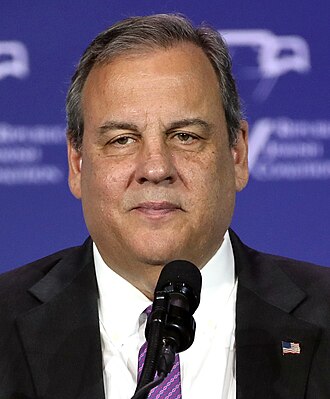
Chris Christie
“I have been clear that I do not support the legalization of marijuana and consider it a gateway drug.”
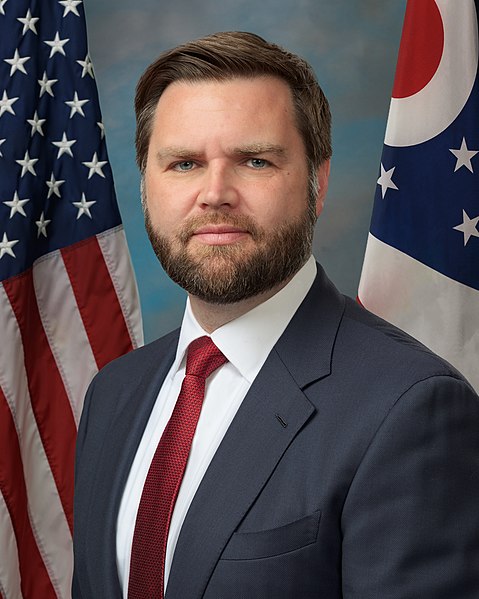
J.D. Vance
“I want people to not bring this everywhere that kids walk around, play. I want to be able to go to my job. I want to go to do normal things without being slammed in the face with the smell of weed.”
Polarization over Medical Marijuana
As both parties increasingly acknowledge the value of medical marijuana, their approaches differ in both tone and execution. Democrats tend to advocate for increased patient access, broad qualifying conditions, and federal reform that standardizes medical cannabis nationwide. This is often done by linking medical marijuana policy to wider public health and criminal justice reforms.
On the other hand, republicans tend to frame medical marijuana as a states’ rights issue, supporting narrowly tailored programs with strict regulation and scope. This has resulted in GOP-backed legislation that is cautious and often excludes recreational considerations entirely. Despite the philosophical differences, there is a bipartisan trend of growing consensus around the idea that medical cannabis will become increasingly accessible in the United States. For more issue stances, visit Biasly’s political party stances page.
