









How News Sources Portray Oil Drilling Policy
This chart shows how major news sources across the ideological spectrum frame oil drilling policy, from left to right-leaning perspectives.
















Many of the media biases we observe, whether in news coverage or political rhetoric, stem from the fundamental differences in policy perspectives held by major political parties. One of the many key points of conflict is oil drilling.
Oil drilling refers to “allowing for the extraction of oil from subterranean reservoirs.” It is one of the most significant policy debates in the United States, underscoring its importance in driving economic growth, protecting the environment, and ensuring national security. Oil drilling policies determine the amount of access the government should grant to public lands and waters for energy exploration and production. For decades, this issue has shaped the nation’s approach to energy independence and its role in the global economy.
Opponents warn that this approach locks the country into a carbon-dependent system, undermining efforts to fight climate change. Meanwhile, proponents argue that expanding domestic drilling reduces reliance on foreign oil, creates jobs, and stabilizes fuel prices. The debate is ongoing, raising important questions about federal versus state authority, corporate responsibility, and long-term environmental sustainability.
The Democratic Stance on Oil Drilling
Democrats largely oppose expanding policies on oil, citing environmental concerns and the need to reduce greenhouse gas emissions. The Democratic Party platform outlines a goal to reduce reliance on oil by instead encouraging the production and use of cleaner, renewable energy sources. The party advocates for transitioning to renewable energy, imposing stricter oil drilling regulations, and limiting drilling in sensitive areas.
Policymakers emphasize the importance of sustainable development and often promote subsidies for solar, wind, and electric vehicle industries. Their agenda aligns with commitments to combat climate change, including the Paris Climate Accord. Under former President Biden, his administration focused on implementing selective restrictions while allowing new permits for strategic reasons. Biden’s policy on oil drilling aimed to incorporate short-term economic needs and long-term environmental goals, reducing carbon emissions while maintaining energy stability.
Politicians Who Oppose Oil Drilling Rights
29% of Democratic voters have favorable views of oil fracking.
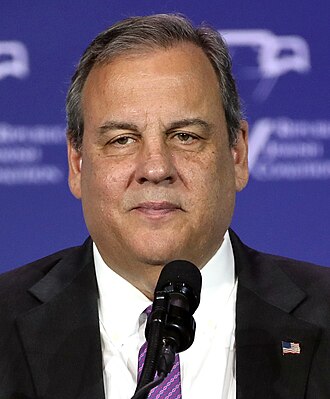
Chris Christie
“Delivering on my promise to tell feds NO on nat gas/oil exploration off of NJ’s coast. Protecting ppl & environment http://state.nj.us/dep/newsrel/2017/17_0082.htm”

Joe Biden
“Were canceling all remaining oil and gas leases issued under the previous administration in the Arctic Refuge and protecting more than 13 million acres in the Western Arctic. As the climate crisis warms the Arctic, we have a responsibility to protect this treasured region for all ages.”
The Republican Stance on Oil Drilling
Generally, Republicans tend to be more supportive of the oil drilling industry than Democrats are. In comparison, the Republican platform declares support for all sources of marketable energy, and explicitly cites oil as such a source. The party tends to support expanding oil production as part of its energy strategy, arguing that increased domestic drilling strengthens U.S. energy independence and lowers consumer fuel costs. The GOP frequently promotes deregulation and faster approval for new projects as a way to boost economic growth.
The Republican Party’s policy stance on oil drilling emphasizes that the United States should prioritize self-sufficiency over reliance on imports. They criticize regulations that restrict or try to stop oil drilling, citing its harmfulness to business investment and rural economies while calling for minimal government interference in energy markets.
Politicians Who Support Oil Drilling Rights
62% of Republican voters have far more favorable views of oil fracking.
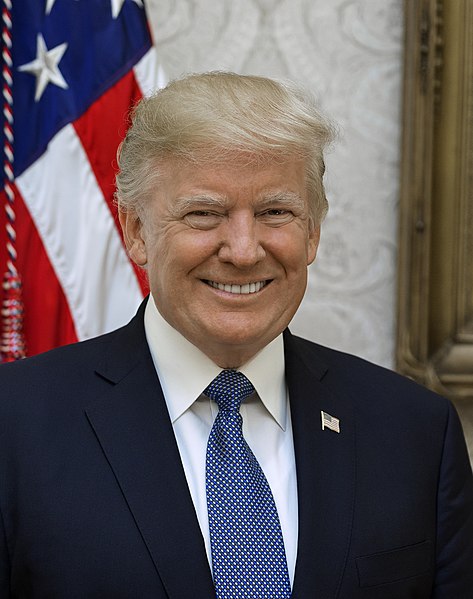
Donald Trump
“We will become energy independent shortly after but start also on day 1, drill baby drill, we are gonna bring your energy prices way down, gasoline will be back to 2 dollars and maybe even less than that, and you’ll not be forced to buy an electric car. If you want to buy one, you can, but you’ll be able to use gasoline…”
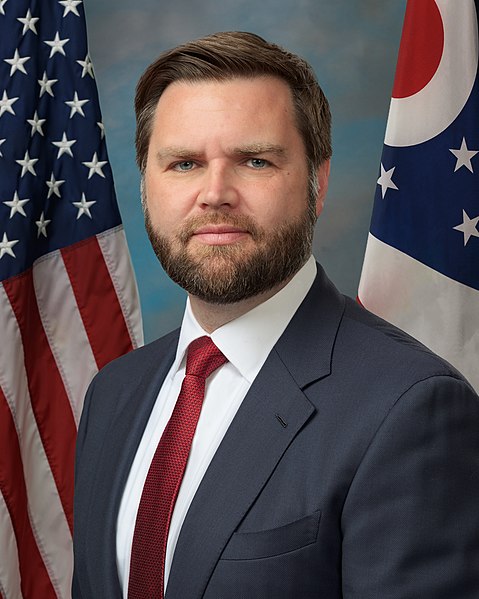
J.D. Vance
“We’re going to drill, baby, drill, lower energy costs, and that’s going to make it easier to build homes.”
Policy on Oil Drilling in the United States
U.S oil drilling policy has evolved through a series of laws, executive orders, and environmental regulations. Federal policy determines where drilling can occur, how permits are issued, and what standards are met. States retain authority over land-based operations such as regional extraction projects.
Today, the U.S. government permits oil exploration while imposing regulations on oil drilling to protect air and water quality. Polling concludes that Republican voters have far more favorable views of oil fracking than Democratic voters do, by a wide margin of 62% to 29%, respectively. This reflects how public sentiment often shapes policy outcomes and political rhetoric surrounding energy independence.
Federal legislation, such as the Clean Air Act and the National Environmental Policy Act, continues to influence oil policies in the U.S. by requiring environmental reviews before projects are approved.
A Brief History of Oil Drilling in the U.S.
The history of oil drilling is rooted in the 19th century, when oil worker and former railroad employee, Edwin Drake, built the first official U.S. oil drilling system. In 1859, Oil Creek, Pennsylvania, Drake discovered crude oil, which was later used primarily to make kerosene for lasting illumination. This event marked the birth of the American oil industry, which quickly became a cornerstone of industrial expansion.
The first official oil company in the U.S. was the Pennsylvania Rock Oil Company, which later reorganized into Seneca Oil and was established as a petroleum exploratory company. This led to investors hiring engineers and scientists to find ways to obtain and test various uses for rocks or coal oil. Discoveries in other states quickly turned the U.S. into one of the largest oil producers in the world.
By the 1970s, energy crises and foreign oil dependence prompted federal efforts to boost domestic production while introducing early regulations on oil drilling to mitigate environmental damage. By the 2000s, the rise of fracking technology revolutionized production and allowed for access to vast oil reserves, transforming the U.S. into a leading global energy exporter. However, this also gave rise to debates about environmental harm, contamination, and impact on the climate, which continue to shape people’s opinions and policies on oil drilling.
What the Future Holds
The future of oil drilling in the United States will largely depend on balancing environmental protections and government interests. Policymakers and energy companies must coordinate with each other to address rising global demands while transitioning to cleaner energy alternatives.
Advocates of a cleaner environment will continue to call for restrictions on this practice, highlighting concerns about climate change, pollution, and sustainability. At the same time, supporters of continued oil drilling will emphasize energy security and job preservation, arguing that changes could increase reliance on imports and disrupt markets. Future legislation and court decisions will determine whether the nation follows stricter oil drilling regulations or looser practices.
Ultimately, the future of oil drilling may evolve toward a more balanced system that can sustain domestic production while laying the groundwork for renewable energy independence. The rest will largely depend on political leadership and voter priorities.
To explore how each political party views other key policy topics, visit Biasly’s full list of Political Party Policy Stances.
To unlock more data-driven insights into media bias, explore political leanings with research-backed tools, and customize your news feed around what matters most to you, sign up for a Biasly Premium News Membership.
