









How News Sources Portray Public Education Spending Policy
This chart shows how major news sources across the ideological spectrum frame public education spending policy, from left to right-leaning perspectives.








The world nowadays is full of media biases, whether in news or rhetoric, and it usually influences the way people think about political debates and conflicts. Major political parties tend to impact these biases with their drastically different policy perspectives. One key example of a policy issue that is still debated among these parties is public education spending.
Public education spending refers to “the funding public schools receive from the Department of Education.” Policies that focus on education usually invest in school infrastructure, teacher salaries, learning materials and resources, and programs to support a wide variety of students. Government spending on public education is a widely debated topic between Democrats and Republicans, offering two distinct views on what’s considered best for the prosperity of society and the nation.
The Democratic Stance on Public Education Spending
Democrats tend to support equity and full access to opportunities, believing that education is the foundation of any society. The Democratic Party platform outlines a commitment to increasing federal investment in public education. They believe that government spending on public education ensures all students have access to schools and programs regardless of their socioeconomic backgrounds. Their platform often calls for increased federal public policy on education through new programs and sources provided to underfunded schools.
The Democratic education stance argues that government involvement reduces inequality, ensuring that every child has the right to an education and to success, as no one is left behind in learning. The American Recovery and Reinvestment Act of 2009 is one example of a Democratic investment that provided funding to the Department of Education to reform the education system. The Omnibus Appropriations Act of 2009 focused on funding early education and after-school programs as well as granting financial aid for students attending college. These initiatives on public policies regarding education reflect how the right to an education is fundamental and leads to a strong economy and competent workforce.
Politicians Who Support Public Education Spending
73% of Democratic voters want to see federal spending on education increased.
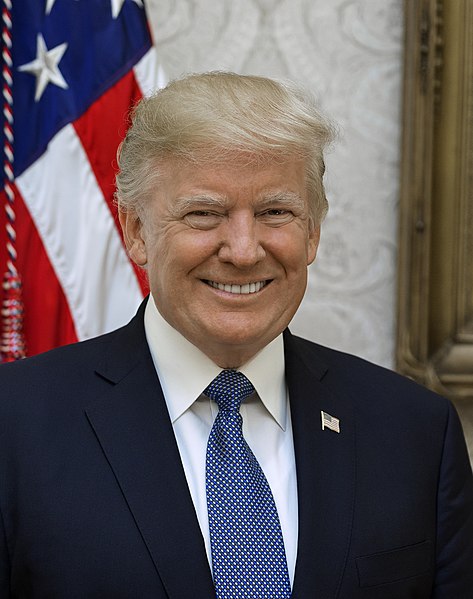
Donald Trump
“We spend more per pupil than any nation in the world by double. We are going to keep spending our money, but we are now going to get our moneys worth. We are at the end of every list on education, and yet we spend the most. We are going to change it around. We may spend the most, but we are going to be tops in education no matter where you go anywhere in the world.”
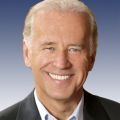
Joe Biden
“My Administration has made historic investments in Americas future, funding Head Start programs that support our kids education. During a shutdown, up to 10,000 children could lose access to Head Start. By failing to act, House Republicans are failing our kids.”
The Republican Stance on Public Education Spending
The Republican stance on public issues such as public education spending is generally more cautious. Republicans cite that the “overall results” of the education system do not justify the vast amount of funds being allocated to it. They prefer to give states and localities more control, emphasizing the idea of less government intervention for the success of the nation.
When it comes to public policy on education, Republicans promote the expansion of charter schools and voucher programs, giving states more flexibility for innovation while ensuring competition among schools. Competition ensures limited inefficiency between schools and improves public policy outcomes without needing to increase federal spending. This reflects the Republican Party’s ideology of limited government intervention to produce the best-intended effects.
Politicians Who Oppose Public Education Spending
43% of Republican voters want to see federal spending on education increased.
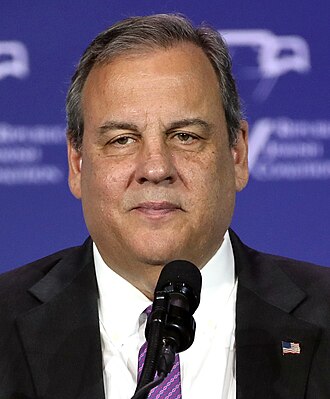
Chris Christie
“But sometimes, the public schools arent the right place. Sometimes theyre failing us. And we spend $800 billion a year on K-12 education across this country. We do not have a spending problem. We dont. And in our urban centers, which are performing the worst, generally we spend even more. In the city of Newark, New Jersey, in my home state, we spent $36,000 a pupil for public education that is failing them. They could go to just about any private school in this country for that amount of money.”
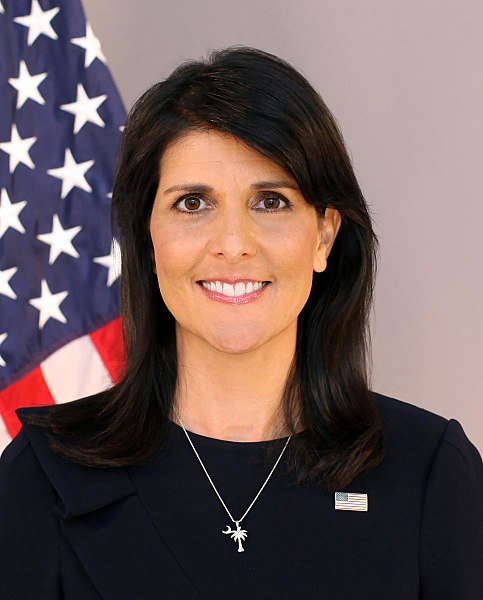
Nikki Haley
“Socialism = spending billions of dollars on schools and not a single child can do basic math”
Policy on Public Education Spending in the United States
In the U.S., public policy on education has been deeply influenced by partisan differences. In polling, 73% of Democratic voters want to see federal spending on education increased, compared to only 43% of Republicans. The range of views is clear, and it usually becomes conflicting when referring to policies in the U.S.
Democrats aim to expand programs with more government funding for low-income schools in early education. They also support initiatives for free or reduced college tuition, easing the burden that many college students face. These policies would allow children in lower-income societies a chance at a proper education, just like wealthier families, reducing inequality and allowing more opportunities for everyone.
On the other hand, the republican stance on public education emphasizes control at the local or state level, giving families the option to allocate tax dollars to private or charter schools. Doing so, schools can compete with each other and become more innovative on their own, offering better education opportunities without government intervention. The states would be the ones to decide on how to allocate funding for different programs or opportunities tailored to families and their children’s needs.
These different points of view illustrate the divide in the U.S. regarding public education spending, with contrasting views, but a common goal to make the nation succeed.
A Brief History of Public Enterprise in the U.S.
The history of public education spending has demonstrated tremendous growth, highlighting the drastically changing role of the federal government over time. Around the 1800s, schools were built in multiple communities with little federal government involvement. These communities were in charge of running these schools on their own with a more local focus, unlike what is usually seen today. When compared to wealthier communities, the inequality was evident and needed to be addressed. As time went by, the role of the federal government increased with bills and laws that would expand its reach to education efforts.
In 1944, the GI Bill helped students pay for school and covered expenses while training for a job. It also expanded college access for veterans. In 1965, the Elementary and Secondary Education Act (ESEA) gave federal funding for schools serving low-income and disadvantaged students. Later in 2001, it was amended to the No Child Left Behind Act, holding schools accountable for the academic progress of students through standardized tests and performance evaluations to ensure the education system was more competitive. In 2015, it was reformed to the Every Student Succeeds Act (ESSA), which shifted some control back to the states and gave them more flexibility while maintaining federal oversight. These constant reforms demonstrate how both political parties influenced the long-standing debate in public education spending.
What the Future Holds
The future of public education spending depends on who has ultimate power in the government. While Democrats have a clear goal in mind to push for bigger federal involvement, the Republicans want to limit it to give families more freedom to choose between school options.
Despite these efforts from both parties, it is clear that the debate will remain for years to come, and no proper action will satisfy either side fully. Challenges in public education spending are bound to come through inequality and unfairness, marking education as a fundamental policy issue that will impact the country for future generations.
To explore how each political party views other key policy topics, visit Biasly’s full list of Political Party Policy Stances.
To unlock more data-driven insights into media bias, explore political leanings with research-backed tools, and customize your news feed around what matters most to you, sign up for a Biasly Premium News Membership.
