









How News Sources Portray Public Enterprise Policy
This chart shows how major news sources across the ideological spectrum frame public enterprise policy, from left to right-leaning perspectives.














Much of what we interpret as media biases, whether in political news or rhetoric, is ultimately influenced by the different policy perspectives of major political parties. One key example of a conflict that is constantly debated today is the role of public enterprises.
Public enterprise refers to “business organizations wholly or partly owned and controlled by the government.” They play a central role in modern governance by ensuring access to essential services that the private sector may fail to provide. Public enterprises determine the extent of government participation in the economy, exposing a significant divide between the contrasting views of the Democratic and Republican parties. It further illustrates how policy stances on public enterprise shape federal legislation and public opinion.
The Democratic Stance on Public Enterprise
The democratic policy stance on public enterprise generally supports government involvement in industries essential to the common good. The Democratic Party platform usually advocates for the idea that strong public institutions and public investments create fairness and promote access to services that reduce inequality. They argue that specific areas such as housing, healthcare, and education should not be left entirely to market forces because it can leave marginalized communities behind. Regardless of one’s socioeconomic background, individuals can receive the same treatment and benefits, which fuels long-term national growth.
To achieve this, Democrats have used public policy on enterprise as a tool to stabilize the economy. Under President Franklin D. Roosevelt, programs like the Tennessee Valley Authority and New Deal initiatives demonstrate how public ownership allows for national development while providing jobs during an economic crisis. The Democratic stance argues that involving the federal government in public enterprise efforts allows poorer communities to not be at a disadvantage while offering a tool of equity and fairness.
The Democratic Party’s stance on business regulation highlights efforts to expand public infrastructure, provide clean energy initiatives, and establish public policies for better governance. The party views public enterprise as a moral responsibility, emphasizing accountability and transparency to prevent corruption and inefficiency. They strive to get the government more involved, pushing for a strong policy enterprise to help the nation succeed.
Politicians Who Support Public Enterprise
The democratic policy stance generally supports government involvement in industries essential to the common good.
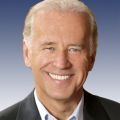
Joe Biden
“Why, in the United States of America, do we not have the best rail system in the world? ... We're trying to make train travel easier, faster, safer, more reliable. [Critics are] trying to make it slower, harder and less safe. ... We have a once-in-a-generation opportunity to position Amtrak and rail to play a central role in our transportation future.”
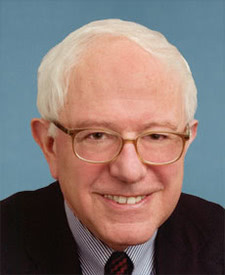
Bernie Sanders
“The postmaster general cannot save the Postal Service by ending one of its major competitive advantages. Cutting six-day delivery is not a viable plan for the future. It will harm rural America while doing very little to improve the financial condition of the Postal Service. ... We must eliminate this pre-funding mandate and allow the Postal Service to offer more, not fewer, services that the American people want and need.”
The Republican Stance on Public Enterprise
The Republican Party platform offers a different stance on public enterprise, criticizing the idea of too much government involvement in the economy. They argue that private competition drives market efficiency, innovation, and consumer choice, calling for the privatization of certain government-owned businesses to reduce fiscal burdens and promote competition. Public policies supported by free enterprise demonstrate how competition encourages innovation and reduces inefficiency, a crucial concept followed by Republicans who see federal spending as a barrier to effective reform.
The Republican stance on business regulation exemplifies the idea of less government intervention, viewing many public enterprises as examples of inefficiencies that lead to unnecessary spending. When it comes to public policy in business, the main focus of the Republican Party has been decentralization and innovation. Republicans usually promote deregulation rooted in free-market principles while supporting policies that prioritize reducing deficits instead of expanding state ownership.
Politicians Who Oppose Public Enterprise
The Republican Party platform criticizes the idea of too much government involvement in the economy.

Ronald Reagan
“Third, we must reduce or eliminate costly government subsidies. For example, deregulation of the airline industry has led to cheaper airfares, but on Amtrak taxpayers pay about $35 per passenger every time an Amtrak train leaves the station. It's time we ended this huge Federal subsidy.”
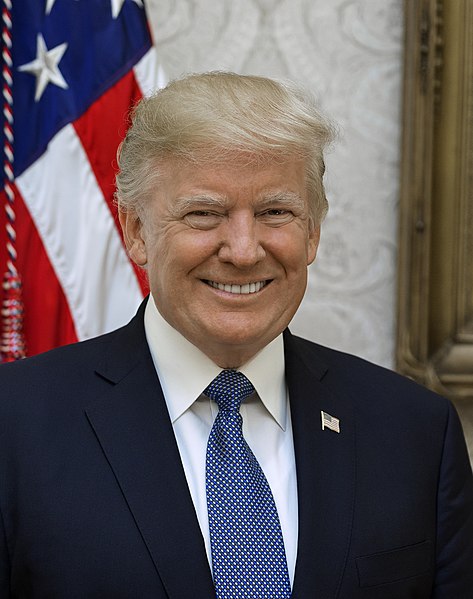
Donald Trump
“The Postal Service is a joke, because they're losing money, a lot of money... The post office should raise the price of a package by approximately four times. ... If they don't raise the price, I'm not signing anything.”
Policy on Public Enterprise in the United States
U.S. public policy on public enterprise has been divided among these partisan preferences. Over time, it has evolved to reflect political shifts as well as economic priorities. As of now, the federal government owns and operates multiple enterprises in transportation and business, such as the U.S. Postal Service, Amtrak, and other public services. State and local governments focus more on managing hospitals and energy providers, as well as other transportation systems. This produces a mix in the structure of the economy and demonstrates how public and private sectors can coexist.
Democrats usually advocate for an increase in funding to preserve accessibility and equity, supporting greater investment in services like transportation, energy, and education. Republicans, on the other hand, favor performance-based funding or privatization, highlighting policies that emphasize efficiency and fiscal discipline.
There is a large divide shown in America, making public enterprise one of the most debated U.S. public policy examples in the country.
A Brief History of Public Enterprise in the U.S.
The history of public enterprise in the United States has demonstrated tremendous growth, highlighting the drastically changing role of the federal government over time. Dating back to the 19th century, public enterprise was characterized by the state-chartered banks that gave a significant portion of their stocks to the federal government. State and local governments often led the creation of public works such as railroads and other utilities. This ensured regional growth and gave rise to national public enterprises in the 20th century.
During the Great Depression, New Deal agencies like the Rural Electrification Administration, which allocated federal loans to install electricity for Americans in rural areas, launched initiatives that broadened access to essential services. The creation of the Federal Housing Administration facilitated home financing by improving housing standards and increasing employment in the home-construction industry. These efforts demonstrate how public policies supported by free enterprise had a direct and positive effect on improving citizens’ lives.
As the decades went by, new reforms such as deregulation and privatization shifted the focus towards the private industry, illustrating how both political parties have influenced the long-standing debate in public enterprise.
What the Future Holds
The future of public enterprise depends largely on the political climate. While Democrats push for bigger federal involvement in sectors essential to economic equity and sustainability, Republicans want to limit it to pursue empowerment in the private sector that will enhance growth in the nation. Despite this, both sides acknowledge the need for modernization and efficiency in existing public enterprises.
The debate over public enterprise highlights the question of what role the government should play in shaping markets and society, reflecting ideological divides over freedom, fairness, and responsibility.
To explore how each political party views other key policy topics, visit Biasly’s full list of Political Party Policy Stances.
To unlock more data-driven insights into media bias, explore political leanings with research-backed tools, and customize your news feed around what matters most to you, sign up for a Biasly Premium News Membership.
