









How News Sources Portray Sanctuary Cities Policy
This chart shows how major news sources across the ideological spectrum frame sanctuary cities policy, from left to right-leaning perspectives.














Sanctuary cities are cities in the United States that provide safe harbor to undocumented immigrants through reduced cooperation with federal immigration agencies. The concept of sanctuary cities began in the United States but has since spread to Canada and the United Kingdom over recent years. However, in many cases across those countries, the concept of sanctuary cities applies only to legal asylum seekers, not illegal immigrants.
From the 1960s into the 1990s, a series of civil wars occurred throughout Central America, particularly in Guatemala and El Salvador. These wars collectively resulted in the deaths of hundreds of thousands of citizens, primarily due to both countries’ own security forces.
During this time of heightened international involvement during the ongoing Cold War, the United States viewed both countries as strong allies. However, admitting refugees from these war-torn countries would be seen as an admission that their governments were committing crimes against their own people. As a result, the Reagan administration largely barred Central American refugees from entry into the United States.
The first sanctuary cities originated in the Southwestern United States during the early to mid-1980s via faith-based organizations. Many churches offered refuge to people fleeing Central America, and they pledged not to cooperate with immigration laws. In 1985, San Francisco passed an ordinance preventing the use of city funds to assist federal immigration agencies, one of the first sanctuary policies and a defining characteristic of a sanctuary city today.
In August 2025, the Department of Justice under President Donald Trump published a list of 13 sanctuary states, 18 sanctuary cities, and 4 sanctuary counties that impede federal immigration agencies such as ICE. However, other estimates suggest as many as 560 sanctuary jurisdictions.
Americans are deeply divided on the issue of sanctuary cities. In a 2018 Gallup poll, 50% of respondents favored banning sanctuary cities and forcing local governments to cooperate with immigration enforcement. About 46% of respondents opposed the move. Critics frequently question the legality of sanctuary cities, though courts have found them to abide within existing law.
The Democratic Stance on Sanctuary Cities
The Democratic Party generally supports sanctuary cities. Liberal voters believe that the United States’ immigration system is broken and too slow to work effectively. They support refugees fleeing from other countries in support of a better life. Since their formation in the 1980s, most sanctuary cities have existed in Democratic-leaning cities and states.
Immigration was a defining issue during President Donald Trump’s first administration, and Democratic support for sanctuary cities expanded during these years. In the lead-up to the 2024 election, following an increase in anti-immigration sentiment under President Joe Biden’s term, Democratic leaders generally softened or lowered their support of sanctuary city policies.
However, under President Donald Trump’s second term, enthusiasm for sanctuary city policies has again increased among Democrats. The administration has deported immigrants to countries other than where they originated, deployed federal law enforcement officers to major cities, and accidentally arrested legal citizens on multiple occasions. In an October 2025 New York Times poll, Democratic disapproval of these overall policies was nearly universal, at 90%.
Politicians Who Support Sanctuary Cities
Democratic disapproval of these overall policies was nearly universal, at 90%.
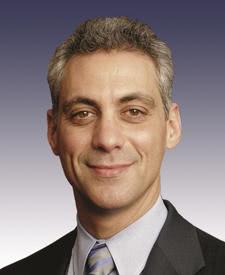
Rahm Emanuel
“What are you going to do, arrest mayors because they're making sure that their residents are safe, secure, and their kids have a future? Not only will it not stand in the court — the legal court — it will not stand in the court of public opinion, because it's turning its back on everything we believe in.”
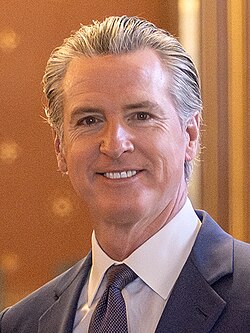
Gavin Newsom
“You are looking at the poster child for sanctuary policy... What the heck is wrong with the Democratic Party that we don't have the courage to stand up for it? It's about people. And it's about a fundamental principle about trust.”
The Republican Stance on Sanctuary Cities
Republicans are strongly opposed to sanctuary city policies. Conservative voters view illegal immigration as a key threat to the safety and security of American citizens. They believe that immigrants are robbing citizens of jobs and increasing crime. Republicans believe that federal funding should be revoked from any city or state that enacts these sanctuary policies, and they have tried multiple times to pass legislation to that effect.
Relatedly, during the first few months of President Donald Trump’s second term, the administration tried to sue Los Angeles, Chicago, and dozens of other sanctuary jurisdictions to cut off their federal funding. However, in August 2025, a federal judge ruled that the administration did not have the constitutional power to do so.
Even as a slim majority of American voters, 52%, disapproved of Trump’s immigration policies in an October 2025 New York Times poll, this did not extend to Republicans. Support for these policies was nearly universal, at 90%.
Politicians Who Oppose Sanctuary Cities

Republican support for these policies was nearly universal, at 90%.
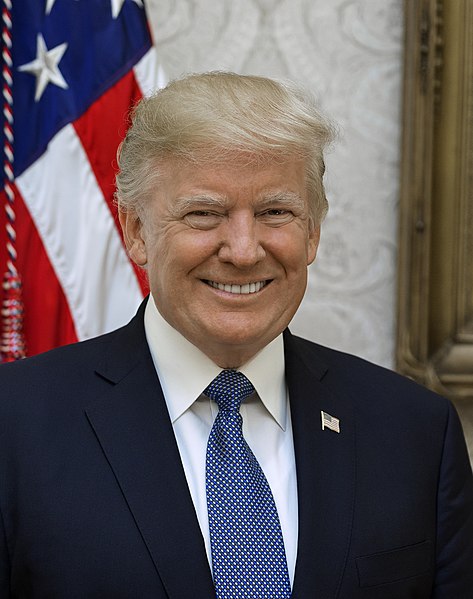
Donald Trump
“Sanctuary cities and states like California put innocent Americans at the mercy of hardened criminals, hardened murderers, in many cases. ... What we want them to do is give federal law enforcement officers unfettered access to a county jail to take custody of somebody that's in the country illegally and yet commit another crime against a citizen of this country. It's safer for the officers; it's safer for the community. ... Sanctuary cities do not protect the immigrant community. They put them in harm's way.”
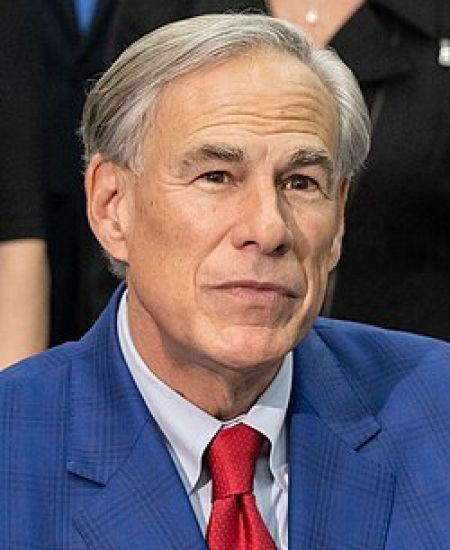
Gregory Abbott
“As Governor, I will not tolerate sanctuary city policies that put the citizens of Texas at risk. Elected officials do not get to pick and choose which laws they will obey. Today's action in the Senate helps ensure that Sheriffs and officials across Texas comply with federal immigration laws and honor Immigration and Custom Enforcement detainer requests that keep dangerous criminals off of our streets.”
The Future
Immigration is likely to remain a defining issue in presidential elections over the years to come, as it has for the past decade. A tough approach to immigration was one of President Donald Trump’s defining issues in 2016. Then, voters ushered in Democrats during 2018 and 2020, believing the president’s approach to be too rough. In 2024, however, a renewed tough-on-crime mentality aided in President Donald Trump’s second victory.
Public opinion polls show that American voters favor a balanced approach between offering citizenship to hardworking undocumented immigrants, deporting criminals, and solidifying the country’s borders. For Democrats, this means taking a harsher approach on immigration and enduring questions about sanctuary cities if the party wants to be perceived as credible on the issue. For Republicans, this means a fairer, softer approach to immigration.
