




2% Center
Bias Meter
Extremely
Liberal
Very
Liberal
Somewhat Liberal
Center
Somewhat Conservative
Very
Conservative
Extremely
Conservative
-100%
Liberal
100%
Conservative

Biasly determines media bias ratings through a dual-layered approach combining artificial intelligence and analyst review. The platform’s proprietary bias detection engine, Bias Meter, evaluates sentiment, policy position alignment, and language framing across thousands of data points in news articles. Analysts then verify and interpret the AI’s findings, providing additional context where needed. Learn more about ratings
- Profile
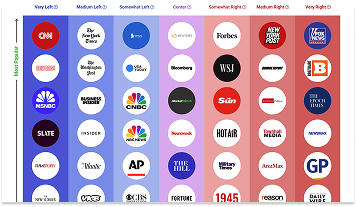
Des Moines Register on the media bias chart
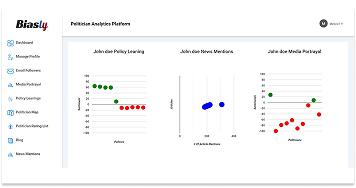
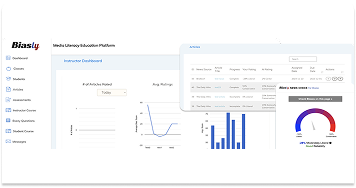
Des Moines Register has a Bias Score of 2% Center which is based on a variety of factors including its policy and politician leanings, article ratings, and the use of biased language. Its Reliability is rated as Average, and additional analytical insights are available in the other tabs.

- Bias Rating
2% Center
- Reliability64% Reliable AveragePolicy Leanings
20% Somewhat Right
Extremely
LiberalVery
LiberalModerately
LiberalSomewhat Liberal
Center
Somewhat Conservative
Moderately
ConservativeVery
ConservativeExtremely
Conservative-100%
Liberal100%
Conservative
Average Reliability
*Our bias meter rating uses data science including sentiment analysis, machine learning and our proprietary algorithm for determining biases in news articles. Bias scores are on a scale of -100% to 100% with higher negative scores being more liberal and higher positive scores being more conservative and 0% being neutral. The rating is an independent analysis and is not affiliated nor sponsored by the news source or any other organization.
Politician Portrayal68% negative
Continue For Free
Create your free account to see the in-depth bias analytics and more.
By creating an account, you agree to our Terms and Privacy Policy, and subscribe to email updates.
Log In
Log in to your account to see the in-depth bias analytics and more.
Policy Leanings Analysis
Policy | Bias score |
|---|
Des Moines Register Editorial Patterns
Des Moines Register’s coverage of political topics often reflects a Center bias, with consistent patterns in phrasing, source selection, and thematic focus that are Neutral. Des Moines Register is known for its high reliability among readers. The sources used are typically primary and include a multitude of quotes, ranging in length. In this content analysis, we will examine how Des Moines Register handles both liberal and conservative topics and evaluate its tone and language.
Coverage of Liberal vs. Conservative Topics
Des Moines Register’s coverage includes both liberal and conservative topics. For example, Des Moines Register covers progressive social causes like LGBTQ+ rights and immigration with sympathetic and supportive language, often citing the potential harm of getting rid of the rights of these groups of people.
Other topics, such as abortion, environmental regulations, and government interference, are covered more conservatively, with strict language against government intervention and a supportive tone for protecting the life of an unborn baby. Topics like the border wall, criminal justice, and competitive capitalism are covered neutrally.
Policy and Issue Framing
Des Moines Register’s political coverage ranges between conservative and liberal framing. This aligns with a Center. Some topics, such as abortion and environmental regulations, Des Moines Register will be covered conservatively. While other topics, such as LGBTQ+ rights and immigration, will be covered more liberally. These articles, however, will typically provide opposing viewpoints.
Des Moines Register is known for providing readers with multiple perspectives from both sides of the political aisle. In this analysis, we will look at how Des Moines Register’s tone and language can possibly demonstrate a bias in Des Moines Register’s political reporting.
Coverage and Relevance
Des Moines Register’s article topics range across the political spectrum. Topics typically focus on current political events affecting the country and the state of Iowa. Des Moines Register is one of the biggest daily newspapers in Iowa, so it serves as a compelling case study for examining bias and reliability in news media.
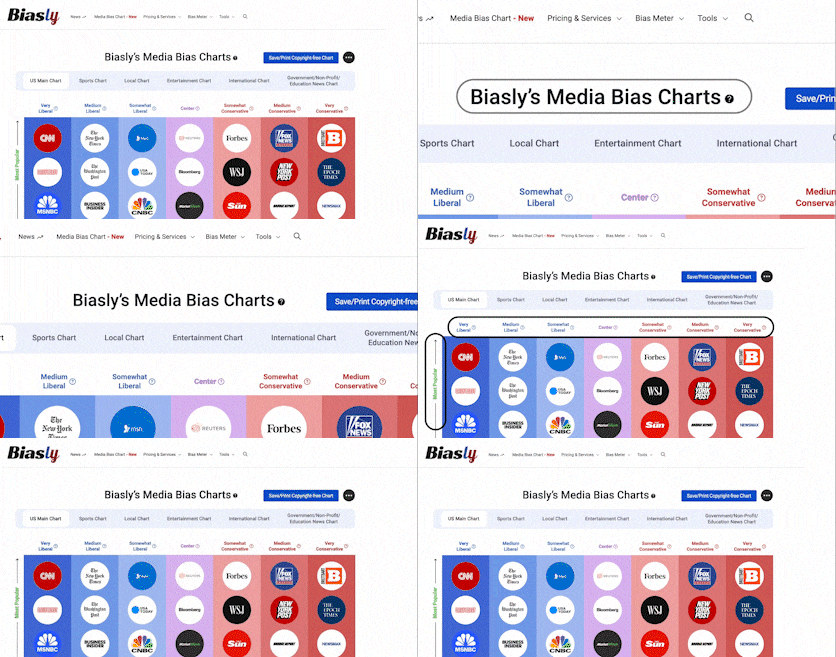
Readers who wish to further explore how Des Moines Register compares with other publications can visit Biasly’s Media Bias Chart to analyze tone and word choice in real time.
Des Moines Register Bias Analysis
Des Moines Register was established in 1849 to provide residents of Des Moines, Iowa, with information on important events and issues affecting their community. Today, Des Moines Register has expanded and become one of Iowa’s largest newspapers. With 17 Pulitzer Prizes to its name, Des Moines Register has cemented its position as the leading newspaper in the state.
According to Des Moines Register, its two daily advertising editions are distributed to 74 communities in Iowa and reach more than 500,000 actively engaged consumers each week. With such high viewership and influence in Iowa communities, further analysis of Des Moines Register is needed to determine whether political bias is present and, if so, to what degree.
Is Des Moines Register Biased?
Based on Biasly’s evaluations, Des Moines Register is rated as Center.
By examining content patterns and the broader context of media influence, we aim to offer a balanced perspective on Des Moines Register’s political bias—and contribute to the ongoing discussion about bias in the news.
How Does Biasly Rate News Sources?
Biasly uses proprietary algorithms and a team of analysts to provide comprehensive bias evaluations across thousands of news outlets. Over 200,000 articles from more than 3,200 sources have been analyzed to identify the most accurate and unbiased stories.
Biasly assigns each outlet three key scores:
- Reliability Score – Reflects factual accuracy
- AI Bias Score – Generated via natural language processing
- Analyst Bias Score – Assessed by human political analysts
These scores are based on seven core metrics: Tone, Tendency, Diction, Author Check, Selection/Omission, Expediency Bias, and Accuracy. These elements help analysts and algorithms evaluate the political attitude conveyed by each article.
Biasly’s Bias Meter ranges from -100% (most left) to +100% (most right), with 0% indicating neutrality. The system evaluates individual articles based on political terms, policies, figures, and sentiment to calculate precise bias ratings.
Is Des Moines Register Politically Biased?
Des Moines Register earns a Center rating for its AI Bias Score and a Center for its Analyst Bias Score. The Analyst Bias Score is generated by reviewers from liberal, moderate, and conservative backgrounds. Analysts reviewed 15 Des Moines Register articles and noted preferences in areas such as coverage of policy topics, including elections and immigration. However, the paper maintained objectivity on topics like clean energy and the border wall.
For example, coverage of the altercations between Department of Homeland Security agents and Alex Pretti reflected a mostly neutral tone, but the article’s use of anti-ICE quotes contributes to its left-leaning slant.
As reporter Kyle Werner put in the report:
“This isn’t just about a bike ride or one single person, it’s about community,” Lyons said. “It’s remembrance and refusing to let another person be another death. … We just want them to be honored for standing up to the tyranny of it all and for trying to bring light in a dreary time.”
We will look at more articles by Des Moines Register to see how quote selection, tone, and language can influence the perception of an article.
Analysis of Bias in Des Moines Register Online Articles
Des Moines Register is known for in-depth coverage of Iowa politics and current national-level issues. However, can Des Moines Register’s influence as a top newspaper influence its reporting?
To evaluate this, we can analyze select Des Moines Register articles through several of Biasly’s bias rating criteria: Tone, Tendency, Author, Diction, and Expediency Bias.
- Tone: The overall attitude conveyed by the article
- Diction: Specific word choices made by the writer
- Author: The background and social presence of the journalist
- Tendency: Patterns of bias in the writer’s broader body of work
- Expediency Bias: Quick visual or textual indicators like headlines and photos that imply bias
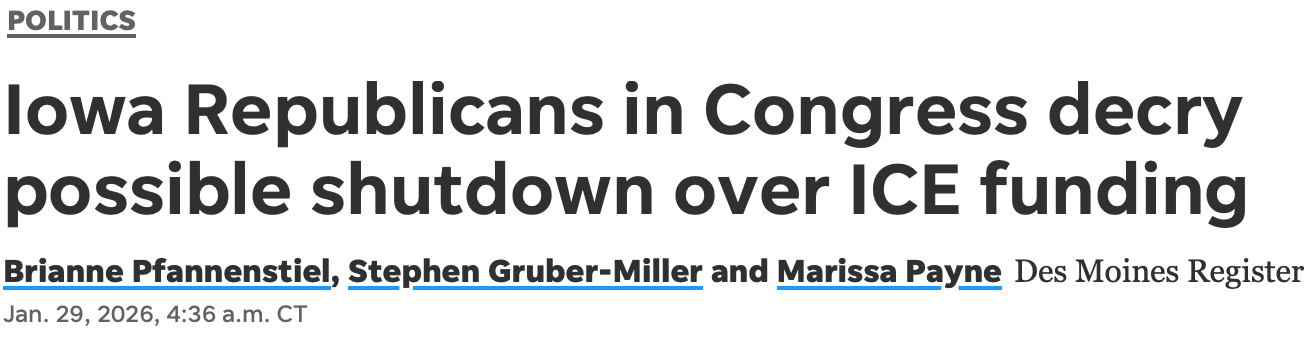
The first article we will look at is titled, “Iowa Republicans decry possible government shutdown over ICE funding.” The article discusses claims that the government may shut down over the funding for the Department of Homeland Security. The article employs a neutral, centered tone. There is no unnecessary and harsh language. While political bias is impossible to avoid, it would be difficult for readers to gauge these reporters’ political beliefs. One issue with the article is that it offers a limited Democratic perspective, even though their hesitancy to fund DHS could cause a government shutdown. The article presents multiple perspectives from Iowa Republicans but only briefly discusses Democratic viewpoints.
“Republican U.S. Sen. Chuck Grassley said he thinks it will be “difficult” for Congress to work out an agreement before the deadline, and he repeated his longstanding opposition to government shutdowns.
But he said Democrats and Republicans ultimately want similar things.
“We all want accountability to make sure that ICE is doing what it’s supposed to do,” he said. “But we also want accountability on the part of local law enforcement to cooperate with getting criminal element that is in the illegal alien community out of our country.”
He said there are already accountability provisions written into the existing funding bill.”
The reporters letting Republicans speak for Democrats does not help round out the article. The opinion should be from Democrats themselves, not a Republican lawmaker’s belief.
All three journalists listed at the top of the article remain very neutral on social media. They mostly repost articles from Des Moines Register and explain political situations without giving editorial commentary. Examples of their X accounts are below.
Brianne Prannenstiel generally tweets about articles she has written or will repost articles written by her co-workers.
As national Democrats gear up for a conversation about the 2028 presidential nominating calendar, Iowa Democrats are asking themselves whether they want to obey the national party’s process or go “rogue” with a renewed push for first-in-the-nation https://t.co/myZKRZLRMi
— Brianne Pfannenstiel (@brianneDMR) August 21, 2025
Stephen Gruber-Miller posts about his articles and will share updates on his journalism career following Iowa politics.
Senate Republicans have elected Sen. Mike Klimesh as their next majority leader, after Majority Leader Jack Whitver announced he would step down from the role as he continues to receive treatment for a brain tumor. https://t.co/Pd8fCiy9NN
— Stephen Gruber-Miller (@sgrubermiller) September 24, 2025
Marissa Payne shares career updates and generally tweets about her and her co-workers’ articles.
My first Iowa Press! 🤩
Such a surreal Iowa journalist moment. Grateful for the opportunity to join and ask questions alongside some of the political journalists I admire most. https://t.co/TmS5K49h7P
— Marissa Payne (@marissajpayne) June 27, 2025
An article titled, “Iowans weigh in on 2% growth cap, bond mandates in property tax bills,” does a good job of being neutral. The article has a neutral tone and doesn’t use any emotionally charged language. Reporter Stephen Gruber-Miller and Marissa Payne offer readers multiple perspectives, including Democrats, Republicans, a lobbyist, the county treasurer, the auditor, the recorder, and many more.
“Iowans had their first chance to weigh in on two property tax proposals moving through the Iowa Legislature as lawmakers emphasized that the bills are a work in progress.
City and county officials raised concerns during subcommittee meetings on Jan. 29 about a proposed 2% revenue growth cap for local governments that is included in both House Republicans’ bill, House Study Bill 596, and Gov. Kim Reynolds’ proposal, House Study Bill 563.
All Republicans on the five-member subcommittee advanced both bills in a 3-2 vote, along party lines.
Local officials also raised concerns about requiring a 60% vote for more bond measures, a provision in the House bill, and Reynolds’ suggestion that county treasurers, auditors and recorders move from being elected positions to being appointed by boards of supervisors.”
The information is straight and clear. Readers will know everything they need to know about the proposed property tax. The language in the article is consistently unemotional. The tone is neutral, allowing readers to form their own opinions. Additionally, the perspectives of citizens and lobbyists help remind readers that this policy will affect a group of people and how companies benefit from them.
This seems to be a tendency with articles published by Des Moines Register. Articles include multiple perspectives and give readers the full story, not shying away from a particular perspective. We will dive further into Des Moines Register’s articles to see how its source choices affect its reporting.
Analysis of Des Moines Register Opinion Articles
Factual reporting and opinion reporting are two very different things. Factual reporting aims to present facts without editorial commentary. In opinion reporting, the author will express their personal viewpoints about current issues. In this section, we will analyze an opinion piece by Des Moines Register.
An op-ed titled “My cancer isn’t a personal failure; the medical system is” by Catelin Drey discusses how health and healthcare are shared responsibilities between people and the government. Drey tells about her day on the Iowa Senate floor, where she advocated for accessible healthcare and affordability. This is an example of a sympathetic, compassionate opinion piece. The article is meant to motivate lawmakers to address the healthcare system and to share her journey with readers.
Not all opinion pieces will have negative, emotionally charged language. Sometimes, opinion pieces express journalists’ personal viewpoints.
Another op-ed we will look at is an article titled, “Bachelor’s degrees at Iowa community colleges wouldn’t help.” Guest columnist Greg Christy goes into great detail on why the Iowa government should not close some private colleges. The article employs centrist language and a persuasive tone to convince readers that closing these colleges would be a bad idea.
These articles are a great example of how Des Moines Register maintains its Center. These opinion pieces don’t use any harsh or critical language and encourage readers to form their own opinions.
How to Evaluate Bias
Although Biasly rates Des Moines Register as Center, it’s important to remember that bias can vary from article to article. Des Moines Register also covers a conservative-leaning state with objectivity on many issues, from state legislation to social developments. This complexity underscores the importance of examining each article individually. So, let’s learn how to evaluate media bias.
Recognizing media bias requires awareness and critical thinking. Often, readers trust news sources that affirm their existing beliefs, a psychological tendency known as confirmation bias. This makes it harder to identify slanted narratives or one-sided reporting.
To combat this, it’s essential to challenge your assumptions by consulting multiple viewpoints and verifying news through third-party analysis. Tools like Biasly’s media bias ratings allow readers to compare the same news story across the political spectrum.
Ultimately, bias isn’t always a matter of what is said; it’s also about what is left out, how topics are framed, and which stories are chosen for coverage. Learning to recognize these patterns can help readers make more informed decisions and develop greater media literacy.
To start comparing news outlets and gain a better understanding of bias, sign up for Biasly’s Media Bias & News Analytics Platform to see how stories vary between sources.
Des Moines Register Reliability Analysis
Is Des Moines Register Reliable?
Des Moines Register finds itself with an above-average reliability score. Its status as a local contributes to its high reputation for reliability. According to SimilarWeb, Des Moines Register averages over 3,000,000 monthly visitors. With such a high number of monthly visitors and Des Moines Register being a staple in Iowa news coverage, it’s important for readers to know how reliable Des Moines Register is. We will take a look at the evidence and sources Des Moines Register uses to support its articles.
How to Evaluate Reliability?
Reliability refers to how trustworthy or accurate a news source is. If we can’t trust what we read, then continuing to consume content from that outlet serves little purpose. So how do we evaluate a news outlet’s reliability?
There are several potential measures of reliability to look out for when trying to determine whether a media source is reliable or not. Red flags for an unreliable article can include the presence of wild, unsubstantiated claims, facts dependent on other unreliable sources, heavy use of opinionated language, and more. In contrast, hallmarks of a reliable source include:
- Absence of subjective language
- Citing credible sources (e.g., .gov, .edu, academic references)
- Verifiable facts and statistics from multiple outlets
- Use of primary sources, like interviews or transcripts
- Consistency with coverage across other platforms
Biasly’s reliability scores incorporate these elements in evaluating media outlets.
So How Does Des Moines Register Fare in Its Reliability?
The political reliability index developed by Biasly assesses both accuracy and trustworthiness. Des Moines Register currently holds Average Reliability Score, which is calculated as a weighted average of:
- Fact Analysis Score – Evaluates the accuracy of claims, facts, and evidence.
- Source Analysis Score – Assesses the number, diversity, and credibility of sources and quotes used.
Des Moines Register’s Source Analysis Score is Average at 64% Reliable. This suggests moderate trustworthiness in its sourcing practices. The score is AI-generated and considers quote length, frequency, diversity, and quality.
The Fact Analysis Score of Des Moines Register is Pending at N/A. This further shows how well Des Moines Register supports its claims, addresses selection and omission bias, and presents verifiable evidence.
While Des Moines Register leans toward factual reporting, occasional lapses—such as unbalanced viewpoints or incomplete data—can affect its reliability rating. These nuances emphasize the importance of analyzing individual articles.
Des Moines Register’s Accuracy and Reliability
According to Biasly’s analysis, Des Moines Register maintains Average Reliability Score, but individual articles may vary significantly. Let’s dive into the details.
Political orientation plays a crucial role in how audiences perceive reliability. It’s essential to analyze whether the publication backs its assertions with sufficient evidence and diverse viewpoints.
Two common types of bias that affect factuality include:
- Selection Bias – Highlighting or omitting stories to fit a particular narrative.
- Omission Bias – Leaving out differing perspectives or relevant details to skew perception.
Biasly’s accuracy ratings range from 1% (least accurate) to 100% (most accurate). Factors include supporting evidence, reliable internal and external sources, and balanced viewpoints.
For instance, Biasly gave The Boston Globe a Center Bias rating and an above-average Analyst Reliability Score. One Boston Globe article, titled “Did artificial intelligence really drive layoffs at Amazon and other firms? It can be hard to tell,” showed a low reliability score for having no opposing sources or diverse viewpoints. We will take a closer look at more examples to dive further into the reliability of Des Moines Register’s articles.
Analysis of Reliability in Des Moines Register’s Online News Articles
Des Moines Register is known for giving readers a comprehensive coverage of Iowa and its role in the political landscape, especially during the Iowa caucuses. Des Moines Register employs writers with varying ideologies, so it’s important that readers know the difference between factual and opinion reporting.
One notable example is the article titled, “Federal judges share the voices of America to all of us.” Reporter Randy Evans covered federal judges all over the United States speaking out against ICE, and a local Iowan federal judge who left a legacy of speaking up for immigrants. The article refrains from editorial commentary and relies solely on quotes from judges to support its claims. Despite being an opinion piece, the article doesn’t use any emotionally charged language, and the author doesn’t boldly state an opinion. Evans focuses on how judges’ independent voices have influenced the United States today.
Quality of Sources and Facts Used
Des Moines Register often uses multiple sources; articles can be skewed by how they are framed and by whether they present opposing views. Let’s take a look at some articles to see how they compare.
An article titled “Iowans blast Senate carbon pipeline bill as ethanol supporters cheer” will be our first example. Author Stephen Gruber-Miller is a carbon pipeline bill that would allow ethanol companies to alter the pipeline’s path to avoid landowners unwilling to grant them access to their land. Republicans support the bill, and Democrats oppose it. Gruber-Miller does a great job of presenting all the perspectives. He lets readers form their own opinions about the bill and explains how it affects every group involved.
Here are the people quoted in the article:
- Iowa Senate Majority Leader Mike Klimesh (R)
- Iowa Senate Minority Leader Janice Weiner (D)
- Iowa Representative Steven Holt (R)
- Julie Glade, a landowner from Wright County
- Cynthia Hansen, a farm owner from Shelby County
- Collin Gorton, a lobbyist for the Iowa Renewable Fuels Association
- Dylan Gramish, a lobbyist for the Laborers International Union of North America
- Jake Ketzner, a lobbyist for Summit
The article links to three Des Moines Register articles and a Senate and House file. The quotes from the article strengthen its reliability. Gruber-Miller’s giving readers multiple perspectives, each with a stake in the proposed bill, is a great example of Des Moines Register’s reliability and credibility.
Another article titled “What to know about the ‘tough on crime’ bills in the Iowa Legislature” has a similar structure and multiple perspectives. The article delves into a new measure introduced by Iowa House Republicans for Iowans who’ve committed multiple serious crimes to serve at least 20 years in jail. The article, like the one above, includes perspectives from both Democrats and Republicans. The article also includes statistics on Iowa’s crime rate and the number of inmates housed in Iowa. A quote from a former inmate of Iowa’s correctional system may be helpful to the article because they could speak to the conditions in the prisons.
Overall, Des Moines Register does an amazing job of giving readers well-rounded information. This lends to Des Moines Register’s credibility and reliability. Additionally, Des Moines Register’s use of primary sources increases the validity of its content and lets readers know its information is accurate.
Selection and Omission Bias
Des Moines Register has two different types of opinion pieces. Des Moines Register has pieces published by editors and letters submitted by readers that the publication will publish. Here, we will examine how reliable these articles are in providing readers with accurate information.
The first article we will look at is titled, “Abominable behavior from Trump, ICE is a betrayal of America.” The article heavily criticizes Trump and his administration over how ICE has conducted itself in Minnesota. The article doesn’t give any response or opinion of Trump or his administration on ICE’s operations in Minnesota. This is an example of selection bias. Trump and members of his administration have made multiple statements about ICE operations in Minnesota. Adding those perspectives, even if the author disagrees with them personally, helps round out the article and gives readers a closer view of what is happening with ICE operations.
Another article titled “Trump’s Iowa trip highlights cost of foreign policy chaos” is showing a case of omission bias. The author uses harsh language to describe Trump and his foreign policy initiatives. The author cites a source to explain how Iowans are struggling under Trump’s economic policies. However, there are many more. There are many articles and statistics about Iowa’s troubled economy under the Trump administration. Highlighting those would help readers explain more ways Iowans are struggling with costs and expenses.
So, is Des Moines Register Reliable?
Overall, Des Moines Register can be considered to be an outlet that is moderately reliable. It demonstrates a consistent goal of journalistic integrity and typically supports claims with sources and quotes. Occasional omissions and framing bias do appear, particularly on culturally sensitive or partisan issues.
As media literacy improves, readers can more easily detect issues with selection bias, omission bias, and factuality. To strengthen your ability to assess reliability across the political spectrum, use Biasly’s News Bias Checker to compare how multiple outlets report the same story.
This empowers you to consume more accurate, balanced, and dependable news
Funding and Ownership
Who Owns Des Moines Register?
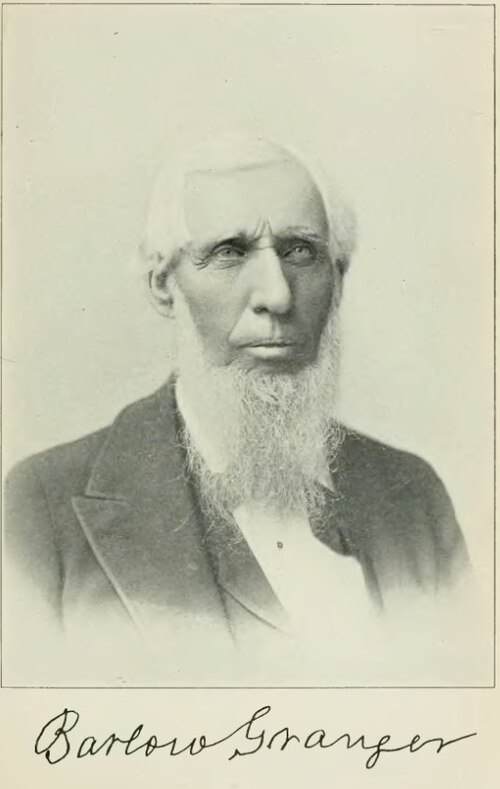
Barlow Granger, Founder, Des Moines Register – Source: Wikipedia
Des Moines Register traces its roots to The Iowa Star, founded in 1849 by Barlow Granger. George Roberts of Fort Dodge bought the Republican-leaning Iowa State Register and the Democratic-leaning Iowa State Leader and merged them to create Des Moines Register and leader. In 1985, Des Moines Register was acquired by the holding company Gannett, which remains its owner today.
Rachel E. Stassen-Berger is the current executive editor of Des Moines Register. She has over 25 years of experience and started the position on June 2nd, 2025.
Who Funds Des Moines Register?
Des Moines Register is funded and owned by its parent company, Gannett Co., Inc, the largest newspaper publisher in the United States. The publication primarily relies on readers’ subscriptions, both print and digital, to generate revenue. Des Moines Register also produces revenue through advertising.
Additional Insights
News Source Comparison
When it comes to news source comparison, Des Moines Register is often evaluated alongside other regional and national outlets that remain centered. Sources like The Hill, Newsweek, or C-Span often present similar tones and editorial philosophies. While Des Moines Register maintains a Center media bias, it differs from strongly partisan sources in that it always includes opposing viewpoints and strives for regional coverage balance.
This puts it in contrast with more biased media outlets that present consistently one-sided narratives without factual counterpoints. Readers seeking balanced political coverage may compare Des Moines Register’s framing of issues with outlets rated as Center or Lean Right on our Media Bias Chart, or explore other regional papers on our Similar Sources page.
Notable Contributors and Authors
Des Moines Register employs a diverse range of reporters who are deeply familiar with Iowa and national politics. One notable example is Stephen Gruber-Miller, a statehouse reporter and Capitol Bureau Chief for Des Moines Register. He has a comprehensive understanding of Iowa politics and works closely with local agencies. Another notable example is Bill Steiden, an investigative and business editor. He has done deep dive and analysis work that is the backbone for many of the articles published by Des Moines Register.
Related Tools and Resource Pages
To better understand how Des Moines Register fits into the broader media landscape, we recommend exploring these helpful resources:
- Media Bias Chart: See where Des Moines Register ranks among hundreds of media outlets across the political spectrum.
- Political Bias Chart: Visualize political slants of news sources across various policy areas.
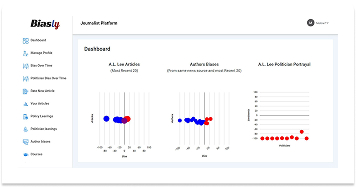
- Journalist Bias Analytics Platform: Explore how individual journalists contribute to bias within their publications.
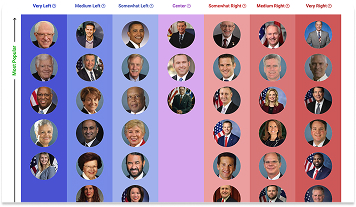
- Politician Bias Analytics Platform: Compare how politicians are framed differently by Des Moines Register and other outlets.
- Media Literacy Education Platform: Learn how to critically assess media sources, bias techniques, and news reliability.
Frequently Asked Questions
Des Moines Register is rated as Center based on Biasly’s media bias algorithm, which assesses sentiment, article framing, and policy favorability.
On December 16th, 2024, President Trump sued Des Moines Register, which was tied to a specific pre-election poll (Nov. 2 poll) and a lawsuit filed in Iowa (Polk County). Trump and his team alleged that %_SOURCE_NAME_had % published an Iowa poll days before the 2024 general election that was fake and inaccurate. Recently, The Center for American Rights has also sued Des Moines Register for similar reasons.
Biasly uses a combination of AI sentiment analysis and human analyst review to assess tone, fact accuracy, source quality, and media bias indicators. Learn more on our Bias Meter page.
Generally, yes, though partisan framing and selective reporting can affect perceived reliability.
Ratings are based on recent news using data science and A.I. technology.
Military Spending
| Date | Sentiment | Associated Article | Snippet |
|---|---|---|---|
| 08/25/2019 | 75% For | Trump Family Detentions Flores Agreement (link) | So, of course, the Trump administration is doing the opposite in a baldfaced |