




22% Somewhat Right
Bias Meter
Extremely
Liberal
Very
Liberal
Somewhat Liberal
Center
Somewhat Conservative
Very
Conservative
Extremely
Conservative
-100%
Liberal
100%
Conservative

Biasly determines media bias ratings through a dual-layered approach combining artificial intelligence and analyst review. The platform’s proprietary bias detection engine, Bias Meter, evaluates sentiment, policy position alignment, and language framing across thousands of data points in news articles. Analysts then verify and interpret the AI’s findings, providing additional context where needed. Learn more about ratings
- Profile
Hot Air on the media bias chart

- Bias Rating
22% Somewhat Right
- Reliability67% Reliable AveragePolicy Leanings
24% Somewhat Right
Extremely
LiberalVery
LiberalModerately
LiberalSomewhat Liberal
Center
Somewhat Conservative
Moderately
ConservativeVery
ConservativeExtremely
Conservative-100%
Liberal100%
Conservative
Average Reliability
*Our bias meter rating uses data science including sentiment analysis, machine learning and our proprietary algorithm for determining biases in news articles. Bias scores are on a scale of -100% to 100% with higher negative scores being more liberal and higher positive scores being more conservative and 0% being neutral. The rating is an independent analysis and is not affiliated nor sponsored by the news source or any other organization.
Politician Portrayal89% negative
Continue For Free
Create your free account to see the in-depth bias analytics and more.
By creating an account, you agree to our Terms and Privacy Policy, and subscribe to email updates.
Log In
Log in to your account to see the in-depth bias analytics and more.
Analysis of Hot Air Articles
Analysis of Bias in Hot Air Online Articles
Hot Air has found that an important feature of the outlet was the in-depth coverage of abortion. Given that much of its readership is Texas-based, where this issue takes precedence, it’s essential to ask: is Hot Air truly biased?
To evaluate this, we can analyze select Hot Air articles through several of Biasly’s bias rating criteria: Tone, Tendency, Author, Diction, and Expediency Bias.
- Tone: The overall attitude conveyed by the article
- Diction: Specific word choices made by the writer
- Author: The background and social presence of the journalist
- Tendency: Patterns of bias in the writer’s broader body of work
- Expediency Bias: Quick visual or textual indicators like headlines and photos that imply bias
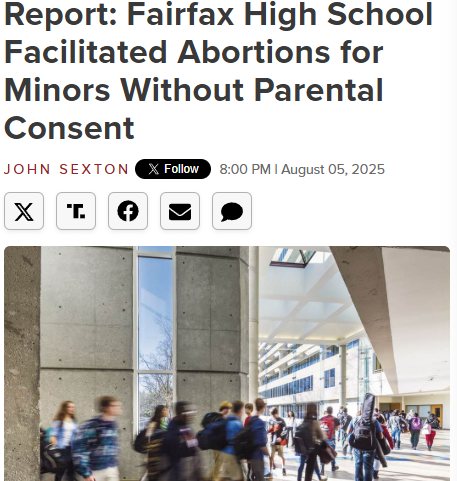
One such article is called “Report: Fairfax High School Facilitated Abortions for Minors Without Parental Consent.” This article takes on a generally attacking tone toward the school for offering abortion, as seen in the title and tone throughout, while the image is fairly unbiased. The author calls this story a “pretty big scandal” in the first paragraph, which is him outwardly showcasing his opinion and bias. According to Biasly, author John Sexton is rated as medium right. Sexton has written for several platforms and generally takes these conservative leanings wherever he goes. Putting “without parental consent” in the title showcases that this article is likely to be a critique of the policy, rather than an unbiased analysis.
Sexton does have an X, formerly known as Twitter account, but he has not talked about abortion since 2024. He responded to a New York Times article that said that abortions were up under President Trump from 2017 to 2020. He disagrees with the article, saying:
“Trump deserves credit for the biggest pro-life win in 50 years, not just blame for the left’s very strong reaction to that win.”
This is just not a reasonable take on the situation. https://t.co/GdbqoVI34k
— John Sexton (@verumserum) August 19, 2024
Although this article is Somewhat Right, it is sometimes even more blatantly biased. In another article called “Boston Judge Steps In To Rescue Planned Parenthood Again,” we see the same author take an even more attacking stance on the abortion issue. He accuses judges of hijacking President Donald Trump’s agenda. The use of the word “again” in the title showcases the bias early on. The feature image is an image of women protesting abortion restrictions. The woman to the right of the image is wearing a coat that makes her look like she has pink hair. Although some may write this off as a coincidence, it could also be playing into the stereotype of liberal-leaning women, who conservatives often say have dyed hair.
Hot Air’s tendency to highlight abortion initiatives and frame stories through a pro-life lens indicates an overall right-leaning orientation, particularly when covering the intersection of religious institutions and politics.
Analysis of Hot Air Opinion Articles
To fully understand political bias in media, it’s important to distinguish between factual reporting and opinion pieces. While reporting aims to present facts and let readers form their own conclusions, opinion articles express personal viewpoints on current issues. Although the previous section examined factual reporting, this section turns to how bias surfaces through Hot Air’s selection and tone of opinion content.
One example is simply called “Moral Rot” by author David Strom. This article talks about the author’s opinions about the way abortion and parenthood are talked about in society. Although the title seems strong, the tone of the story is a lot cooler than you’d expect. Despite this, there’s still some clearly biased language, such as “moral collapse of a segment of the population” and “inversion of values”. The author is better known for his technology and small-government writing than for abortion and motherhood issues. His takes generally lean to the right. The title alone showcases this article’s right-wing bias.
Another example is “Iran Protests: Money – and the Lack of It – Can Change Everything” by author Beege Welborn. This article discusses the economic instability in Iran and how factors like money fleeing the country and banking failures are contributing to widespread protests. Although the title sounds dramatic, the overall tone is more analytical than alarmist, focusing on financial developments and their social impacts rather than outright polemics. Still, there are moments of loaded language, such as referring to elites “fleeing ship” with their wealth, that hint at a critical perspective. The author writes on a site known for commentary across the political spectrum, but this piece itself presents a mix of reporting and interpretation rather than a strongly partisan argument. The framing of economic collapse as a pivotal force in political unrest shows a center-leaning attempt to explain complex global events.
These examples show that while not all Hot Air opinion pieces are overtly conservative, the platform frequently publishes content that aligns with conservative media narratives. This consistent selection of opinion pieces can contribute to perceptions of systemic bias—particularly when the editorials predominantly support liberal views or causes.
This tendency underscores the importance of distinguishing subjective viewpoints from straight reporting, especially when interpreting the political leanings of any news organization.
Analysis of Reliability in Hot Air’s Online News Articles
Hot Air aims to serve conservatives with objective, fact-based reporting. Its staff includes writers from varying ideological backgrounds, which can help balance coverage. However, readers should distinguish between news reporting and opinion pieces to evaluate credibility effectively.
Sometimes an article can present itself as neutral, but it is an opinion piece once you dive deep into the reading. For example, the Hot Air article titled, “Gas prices hit seven-year high – a 40% surge under Biden,” is advertised as an objective news article. The author, Karen Townsend, includes quotes from primary sources such as statements from the White House Press Secretary and then-Republican House Minority Leader Kevin McCarthy. However, her tone is heavily conservative throughout the article, and she goes out of her way to negatively paint the Biden Administration. The commitment to the conservative cause superseded journalist neutralism principles such as objectivity to appease their conservative audience.
Another example, the Hot Air article titled, “Mamdani-Endorsed Candidate Violates the Rules to Make Campaign Stop at a School,” is advertised as a factual news report on a candidate’s campaign activities. The author, Sexton, cites a POLITICO report on campaign rules and quotes the campaign’s explanation for the visit. However, his tone is heavily critical of the Democratic Socialists of America-aligned candidates throughout the article, and he goes out of his way to portray their actions as rule-breaking and destined to be ignored. The commitment to a critical perspective on these left-leaning figures supersedes journalistic neutrality principles, such as objectivity, to appeal to its audience’s expectations of “socialist” politicians. Many Hot Air articles, including this one, rely on social media statements rather than professional ones. Although social media can offer a quick source to quote, it can also create a skewed perspective. Quoting social media occasionally can be permissible, but the value in which Hot Air does it is worrisome.
Quality of Sources and Facts Used
Hot Air often uses credible sources from across the political spectrum. However, some articles skew in how comprehensively they present opposing viewpoints.
Consider the headline “Reports: The Last Walz.” This article discusses Tim Walz possibly declining to run for a third term as Minnesota governor. This article is considered limited in credibility due to poor-quality sources, no opposing sources, short quote length, lack of multiple quotes, lack of unique sources, and lack of multiple sources.
Sources used:
- Sydney Kashiwagi (Washington Star reporter)
- Blois Olson (CEO of Fluence Media)
- Michael Brodkorb (author)
- Tim Walz (Governor of Minnesota)
Overall, this article has a very small number of sources, and all of them, besides Walz, are biased against the governor. None of these sources was a direct quote either. Three were from tweets, while Walz’s statement was just his PR statement. Overall, the sourcing in his article was limited.
Selection and Omission Bias
Hot Air provides extensive coverage of U.S. Politics. However, bias may still emerge through framing and story selection.
In “Sacre Bleu! Macron Steams After U.S. Bars Censorship Happy E.U. Officials,” we see the writer Ed Morrissey take a far-right take on this issue, defending the American right’s attack on E.U. officials. Despite this, the article does make an attempt to hear from both sides. The article includes official E.U. statements and a statement from French President Emmanuel Macron. This gave the article an “excellent” rating in opposite sources from Biasly. However, the use of opposing sources doesn’t make the article less deeply biased.
In “Mn Anarchists Loot Ice Vehicle Score Weapons Locker and Documents,” we see reporter Beege Welborn write about people stealing from ICE vehicles. Although the title is somewhat inflammatory, the article itself does a good job of presenting the facts with minimal bias. We see the writer draw on many sources to reconstruct what happened during the alleged looting. The only weakness is a lack of statements from the accused thieves, even a generic lawyer statement.
In opinion pieces, issues with factuality, sources, selection, and omission are frequently present. The articles we’ve covered so far reflect Hot Air’s Somewhat Right views, but this is not detrimental to its reliability. Its story selection favors issues more likely to concern conservatives, making it safe to assume it neglects those that concern liberals. However, the contents of Hot Air’s article maintain accuracy and tend to cite evidence from numerous and varied sources.
Hot Air Bias Overview
Hot Air was founded in 2006 by Michelle Malkin, a conservative author and political activist. Malkin created Hot Air as a platform to provide conservative commentary on current events and politics, offering an alternative perspective to mainstream media coverage. The idea for Hot Air stemmed from Malkin’s desire to expand her reach beyond her personal blog and create a space for like-minded contributors to share their views.
Based in the United States, Hot Air primarily covers political news, current events, and cultural issues from a conservative perspective. The website features a mix of original reporting, opinion pieces, and aggregated news content. Hot Air’s coverage includes national and international politics, economic policy, social issues, and occasionally entertainment and sports news as they intersect with politics and culture.

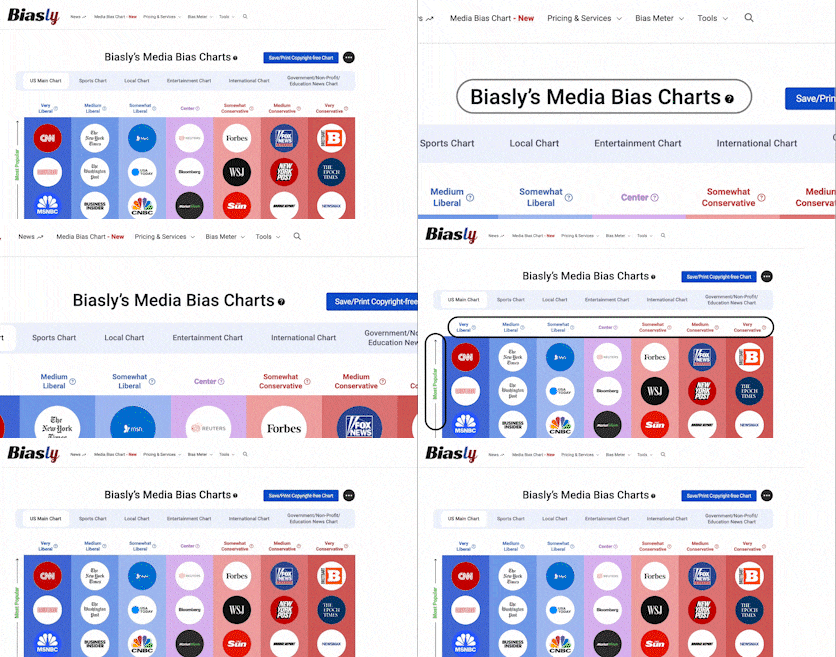
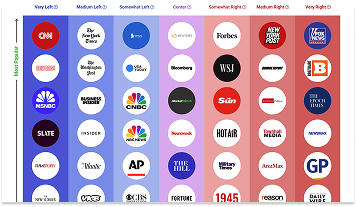
Media Bias Chart, Source: Biasly
Is Hot Air Biased?
Based on Biasly’s evaluations, Hot Air is rated as Somewhat Right.
By examining content patterns and the broader context of media influence, we aim to offer a balanced perspective on Hot Air’s political bias—and contribute to the ongoing discussion about bias in the news.
How Does Biasly Rate News Sources?
Biasly uses proprietary algorithms and a team of analysts to provide comprehensive bias evaluations across thousands of news outlets. Over 200,000 articles from more than 3,200 sources have been analyzed to identify the most accurate and unbiased stories.
Biasly assigns each outlet three key scores:
- Reliability Score – Reflects factual accuracy
- AI Bias Score – Generated via natural language processing
- Analyst Bias Score – Assessed by human political analysts
These scores are based on seven core metrics: Tone, Tendency, Diction, Author Check, Selection/Omission, Expediency Bias, and Accuracy. These elements help analysts and algorithms evaluate the political attitude conveyed by each article.
Biasly’s Bias Meter ranges from -100% (most left) to +100% (most right), with 0% indicating neutrality. The system evaluates individual articles based on political terms, policies, figures, and sentiment to calculate precise bias ratings.
Is Hot Air Politically Biased?
Hot Air earns a Somewhat Right rating for its AI Bias Score and a Medium Right for its Analyst Bias Score. The Analyst Bias Score is generated by reviewers from liberal, moderate, and conservative backgrounds. Analysts reviewed 15 Hot Air articles and noted preferences in areas like abortion, border control, and the border wall.
Meanwhile, coverage of racial minorities and affirmative action laws reflects a mostly neutral tone, but articles involving Black Lives Matter contributed significantly to the Somewhat Right.
The publication is fully run online, but its parent company is located in Texas. Texas is one of the biggest conservative strongholds in the United States, so it’s no surprise that a news company with a parent company in Texas would lean conservative. In fact, Hot Air is one of the more moderate voices from the state.
This Bias score is determined through natural language processing that evaluates the tone, word choice, and opinion embedded in the reporting. Recent AI evaluations highlight conservative-leaning narratives in articles discussing the Republican Party and LGBTQ+ issues.
How to Evaluate Bias
Although Biasly rates Hot Air as Somewhat Right, it’s important to remember that bias can vary across articles. Hot Air also covers a conservative-leaning state with objectivity on many issues, from abortion to social issues. This complexity underscores the importance of examining each article individually. So, let’s learn how to evaluate media bias.
Recognizing media bias requires awareness and critical thinking. Often, readers trust news sources that affirm their existing beliefs—a psychological tendency known as confirmation bias. This makes it harder to identify slanted narratives or one-sided reporting.
To combat this, it’s essential to challenge your assumptions by consulting multiple viewpoints and verifying news through third-party analysis. Tools like Biasly’s media bias ratings allow readers to compare the same news story across the political spectrum.
Ultimately, bias isn’t always a matter of what is said—it’s also about what is left out, how topics are framed, and which stories are chosen for coverage. Learning to recognize these patterns can help readers make more informed decisions and develop greater media literacy.
To start comparing news outlets and gain a better understanding of bias, sign up for Biasly’s Media Bias & News Analytics Platform to see how stories vary between sources.
Hot Air Reliability Overview
Is Hot Air Reliable?
Hot Air finds itself toward the middle of the spectrum, with neither high nor low accuracy. Let’s explore the accuracy and trustworthiness of Hot Air.
How to Evaluate Reliability?
Reliability refers to how trustworthy or accurate a news source is. If we can’t trust what we read, then continuing to consume content from that outlet serves little purpose. So how do we evaluate a news outlet’s reliability?
There are several potential measures of reliability to look out for when determining whether a media source is reliable. Red flags for an unreliable article can include wild, unsubstantiated claims, facts that depend on other unreliable sources, heavy use of opinionated language, and more. In contrast, hallmarks of a reliable source include:
- Absence of subjective language
- Citing credible sources (e.g., .gov, .edu, academic references)
- Verifiable facts and statistics from multiple outlets
- Use of primary sources, like interviews or transcripts
- Consistency with coverage across other platforms
Biasly’s reliability scores incorporate these elements in evaluating media outlets.
So How Does Hot Air Fare in Its Reliability?
The political reliability index developed by Biasly assesses both accuracy and trustworthiness. Hot Air currently holds Average Reliability Score, which is calculated as a weighted average of:
- Fact Analysis Score – Evaluates the accuracy of claims, facts, and evidence.
- Source Analysis Score – Assesses the number, diversity, and credibility of sources and quotes used.
Hot Air’s Source Analysis Score is Average at 56% Reliable. This suggests moderate trustworthiness in its sourcing practices. The score is AI-generated and considers quote length, frequency, diversity, and quality.
The Fact Analysis Score of Hot Air is Good at 70% Reliable. This further shows how well Hot Air supports its claims, addresses selection and omission bias, and presents verifiable evidence.
While Hot Air leans toward factual reporting, occasional lapses, such as unbalanced viewpoints or incomplete data, can affect its reliability rating. These nuances emphasize the importance of analyzing individual articles.
Hot Air’s Accuracy and Reliability
According to Biasly’s analysis, Hot Air maintains Average Reliability Score, but individual articles may vary significantly. Let’s dive into the details.
Political orientation plays a crucial role in how audiences perceive reliability. Hot Air has been accused of favoring a conservative narrative, potentially at the expense of factual reporting. To validate such claims, it’s essential to analyze whether the publication backs its assertions with sufficient evidence and diverse viewpoints.
Two common types of bias that affect factuality include:
- Selection Bias – Highlighting or omitting stories to fit a particular narrative.
- Omission Bias – Leaving out differing perspectives or relevant details to skew perception.
Biasly’s accuracy ratings use a scale from 1% (least accurate) to 100% (most accurate). Factors include the presence of supporting evidence, internal and external reliable sources, and balanced viewpoints.
Biasly generally categorizes Hot Air as a Right-leaning commentary outlet, with reliability that tends to depend heavily on how closely a given post sticks to primary documents and straight reporting versus opinionated framing. A clear example is John Sexton’s Hot Air post, “Trans Parent Gets 5 Years for Stabbing His Own Children” (March 6, 2026). While the piece includes excerpts from other reporting, it is written in a distinctly ideological, adversarial tone—using loaded labels like “deranged,” calling defense arguments “lame excuses,” and framing the case through a broader cultural/political lens rather than treating it as a narrow criminal-justice story.
In that article, the selection and emphasis of details guide readers toward a specific conclusion about transgender identity politics and public safety, with minimal effort to present alternative interpretations or contextual reporting beyond the linked sources. The post relies on emotionally charged language (“monsters,” “catch-and-release,” “insane”)—including an approving quote of a conservative politician’s statement—and directs skepticism toward the defendant and Canadian criminal-justice decisions, not toward the assumptions embedded in the political framing. By contrast, when Hot Air posts focus more on verifiable documents (court records, charging language, direct transcripts) and reduce editorial adjectives, individual articles can read as more dependable even from a right-of-center perspective. This is a good illustration of how Hot Air’s overall ideological positioning can remain consistent while the reliability of a specific post shifts depending on whether the writing prioritizes documentation or persuasion.
So, is Hot Air Reliable?
Overall, Hot Air can be considered an outlet with Average. The site often prioritizes opinion-driven content, with variable sourcing and occasional editorial framing on sensitive international topics. While some claims are supported with evidence, consistency in sourcing and balance could be improved to meet stronger journalistic standards.
As media literacy improves, readers can more easily detect issues with selection bias, omission bias, and factuality. To strengthen your ability to assess reliability across the political spectrum, use Biasly’s News Bias Checker to compare how multiple outlets report the same story.
This empowers you to consume more accurate, balanced, and dependable news
Hot Air Editorial Patterns
Hot Air’s coverage of political topics often reflects a Somewhat Right bias, with consistent patterns in phrasing, source selection, and thematic focus that are Slightly Conservative. While the publication demonstrates journalistic standards in many of its reports, the choice of issues, framing, and word usage can indicate a political slant. Editorial patterns generally lean conservative.
Coverage of Liberal vs. Conservative Topics
Hot Air generally takes a Somewhat Right lean when covering issues. This bias can be seen in their coverage of conservative issues like abortion, border control, and the border wall. These are issues they cover extensively as well, with Biasly analyzing 59 abortion articles, 42 border control articles, and 32 border wall issues. This lean can also be seen in their coverage of liberal issues like the Black Lives Matter protests and clean energy. They cover these issues less, but when they do, they take the same lean they’d take for conservative issues.
Despite some Somewhat Right leans, there are plenty of issues that don’t show as much bias. On racial issues, such as affirmative action, anti-discrimination laws, and civil rights, Hot Air takes a centrist position. None of these issues are widely covered by Hot Air, but it still shows Hot Air’s willingness to take a more neutral approach when needed.
Policy and Issue Framing
Generally speaking, Hot Air tends to take a conservative lean on most issues. However, on racial issues, they tend to moderate their stance.
Even in neutral coverage, phrasing choices shape perception. Articles will describe liberal positions in a negative light and conservative positions in a positive light. Liberal politicians will generally face more scrutiny for decisions and controversies.
Coverage and Relevance
Hot Air’s reporting often touches on key issues central to the media political discussion, including social issues, fiscal issues, and conservative politicians. As such, it serves as a compelling case study for examining source bias and news media bias in state-focused reporting.
Readers who wish to further explore how Hot Air compares with other publications can visit Biasly’s Media Bias Chart to analyze tone and word choice in real time.
Funding and Ownership
Who Owns Hot Air?
Hot Air was purchased by Salem Media Group in 2010. As stated earlier, their parent company is located in Irving, Texas. They are best known for their radio stations, which they own and operate 117 stations in 38 markets. However, they also have a radio advertising company, an internet provider, and a publishing company under their umbrella. They own other conservative websites, such as Townhall, RedState, and PJ Media.
Salem Media Group is still run by its co-founder, Stuart Epperson. Epperson founded the group with his brother-in-law, Edward G. Atsinger III. The group saw major expansion with 100s of radio stations in their ownership within the first few years. Epperson is currently the Chairman, while Atsinger III stepped down but remains on the board. Epperson is also the President of The Conservative Council for National Policy.
Who Funds Hot Air?
Hot Air gains its funding through online advertising. They also have several subscription tiers for readers who wish to avoid ads. Their “VIP” subscription is $13.25 per month and $159 a year. It’s unknown how much funding they receive from their parent company.
Additional Insights
News Source Comparison
When it comes to news source comparison, Hot Air is often evaluated alongside other national outlets that lean somewhat-right or medium-right. Sources like The Dispatch, The Wall Street Journal, and Forbes often present similar tones and editorial philosophies. While Hot Air maintains a Somewhat Right media bias, it differs from strongly partisan sources in that it occasionally includes opposing viewpoints and strives for regional coverage balance.
This puts it in contrast with more biased media outlets that present consistently one-sided narratives without factual counterpoints. Readers seeking balanced political coverage may compare Hot Air’s framing of issues with outlets rated as Center or Lean left on our Media Bias Chart, or explore other regional papers on our Similar Sources page.
Notable Contributors and Authors
Founder Michelle Malkin left Hot Air after selling it to pursue other interests. She was a Fox News contributor before joining NewsMax TV. Despite this, there are still many other notable writers who keep Malkin’s vision alive.
Ed Morrissey started a conservative blog in 2003 called “Captain’s Quarters.” He got many notable Republicans, including John McCain, to write on the blog as guests. He joined Hot Air in 2008. Morrissey is generally considered to be a far-right writer.
David Strom is one of the newer writers, but he has made his impact felt with the company. He joined Hot Air as the associate editor in 2022. He worked various communication and PR jobs for conservative and political groups from 2003 to 2021. He is most known for writing about technology.
Related Tools and Resource Pages
To better understand how Hot Air fits into the broader media landscape, we recommend exploring these helpful resources:
- Media Bias Chart: See where Hot Air ranks among hundreds of media outlets across the political spectrum.
- Political Bias Chart: Visualize political slants of news sources across various policy areas.
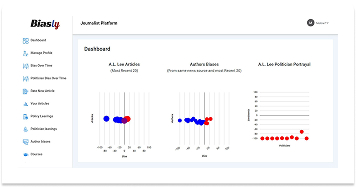
- Journalist Bias Analytics Platform: Explore how individual journalists contribute to bias within their publications.
- Politician Bias Analytics Platform: Compare how politicians are framed differently by Hot Air and other outlets.
- Media Literacy Education Platform: Learn how to critically assess media sources, bias techniques, and news reliability.
Frequently Asked Questions
Hot Air is rated as Somewhat Right based on Biasly’s media bias algorithm, which assesses sentiment, article framing, and policy favorability.
In 2010, Hot Air, allegedly, was a part of a misinformation campaign involving Nancy Pelosi (D-Calif). A clip of Pelosi defending the Affordable Care Act was taken out of context. Some thought she meant that people should quit their jobs so the government can pay for their healthcare. In reality, she was saying that the act would allow people to start more businesses without worrying about losing health insurance. Regardless, Hot Air, along with several other conservative news outlets like RedState, America’s Watchtower, and The Daily Caller, ran with the fake version of the story. Although they did not actively lie about Pelosi’s words, they took them out of context, which helped stir criticism of the Affordable Care Act. Although Hot Air is generally reliable, it’s always best to fact-check, particularly on highly politicized issues.
Biasly uses a combination of AI sentiment analysis and human analyst review to assess tone, fact accuracy, source quality, and media bias indicators. Learn more on our Bias Meter page.
Generally, yes, though partisan framing and selective reporting can affect perceived reliability.
Military Spending
| Date | Sentiment | Associated Article | Snippet |
|---|---|---|---|
| 08/25/2019 | 75% For | Trump Family Detentions Flores Agreement (link) | So, of course, the Trump administration is doing the opposite in a baldfaced |