




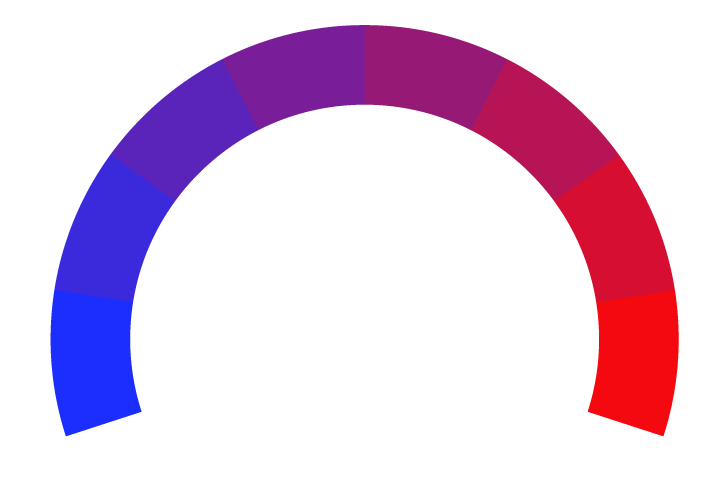
-16% Somewhat Left
Bias Meter
Extremely
Liberal
Very
Liberal
Somewhat Liberal
Center
Somewhat Conservative
Very
Conservative
Extremely
Conservative
-100%
Liberal
100%
Conservative
Biasly determines media bias ratings through a dual-layered approach combining artificial intelligence and analyst review. The platform’s proprietary bias detection engine, Bias Meter, evaluates sentiment, policy position alignment, and language framing across thousands of data points in news articles. Analysts then verify and interpret the AI’s findings, providing additional context where needed. Learn more about ratings
- Profile
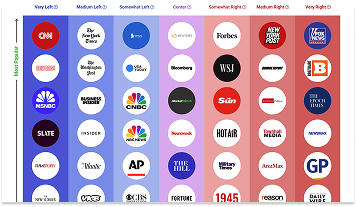
PBS on the media bias chart
- Bias Rating
-16% Somewhat Left
- Reliability83% Reliable GoodPolicy Leanings
-24% Somewhat Left
Extremely
LiberalVery
LiberalModerately
LiberalSomewhat Liberal
Center
Somewhat Conservative
Moderately
ConservativeVery
ConservativeExtremely
Conservative-100%
Liberal100%
Conservative
Average Reliability
*Our bias meter rating uses data science including sentiment analysis, machine learning and our proprietary algorithm for determining biases in news articles. Bias scores are on a scale of -100% to 100% with higher negative scores being more liberal and higher positive scores being more conservative and 0% being neutral. The rating is an independent analysis and is not affiliated nor sponsored by the news source or any other organization.
Politician Portrayal86% negative
Continue For Free
Create your free account to see the in-depth bias analytics and more.
By creating an account, you agree to our Terms and Privacy Policy, and subscribe to email updates.
Log In
Log in to your account to see the in-depth bias analytics and more.
Analysis of PBS Articles
Analysis of Bias in PBS Online Articles
To evaluate the bias of online articles, we can analyze select PBS articles through several of Biasly’s bias rating criteria: Tone, Tendency, Author, Diction, and Expediency Bias.
- Tone: The overall attitude conveyed by the article
- Diction: Specific word choices made by the writer
- Author: The background and social presence of the journalist
- Tendency: Patterns of bias in the writer’s broader body of work
- Expediency Bias: Quick visual or textual indicators like headlines and photos that imply bias
Studies have shown that the average PBS viewer is college-educated, white-collar, regularly votes in elections, and keeps up with the news. Given that PBS has a basis of well-educated and informed viewers, is PBS really biased?
Source: PBS
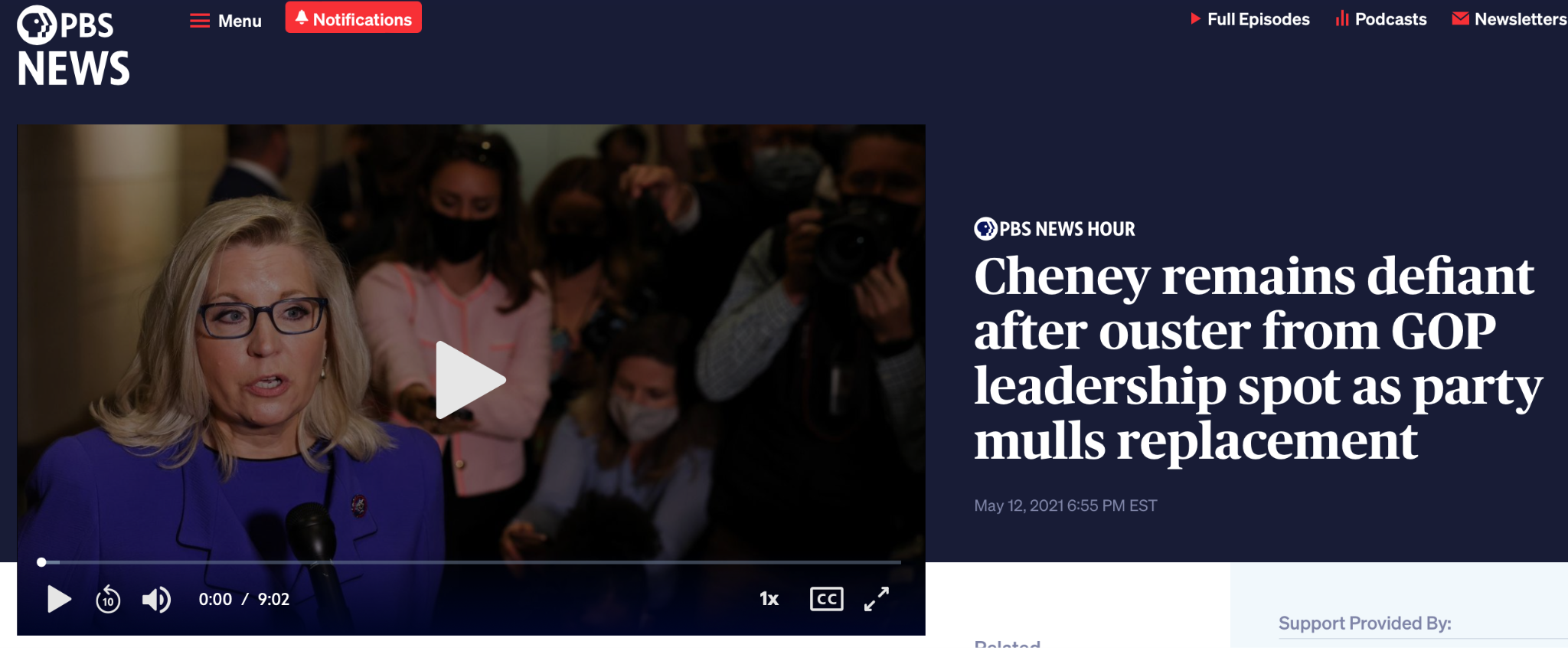
The first article we will look at is titled “Cheney remains defiant after ouster from GOP leadership spot as party mulls replacement.” PBS’s sources are different from other mainstream media outlets because their original content is sections from their long-running show PBS News Hour. Some traditional articles are aggregated from sources like AP News. Their correspondents are credited online as the authors of the content, and PBS provides a transcript of every section. In this case, the correspondents are Lisa Desjardins and Yamiche Alcindor.
The expediency bias from the headline and video is neutral. The video shows Liz Cheney speaking to the press following her ousting from Republican House leadership. Cheney is surrounded by numerous reporters who anxiously await her comments on the matter. The headline complements the thumbnail by summarizing the image and providing additional context. This informs the reader about the upcoming section without hinting at how they should feel.
The correspondent’s diction mostly stays neutral throughout the article, but sometimes slightly leans left. For example, the opening remarks from correspondent Lisa Desjardins don’t include any extreme language, but her word choices lean left.
“Cheney spoke to her fellow Republican colleagues behind closed doors.
And, at the end, she offered a prayer for the country and for freedom. And then something truly Shakespearian happened. Her colleagues at the end of remarks, the colleagues about to oust her from leadership, stood and gave Cheney a rousing standing ovation.”
Describing House Republicans’ reaction to Cheney’s speech as Shakespearean and rousing portrays her very positively.
To continue, the article’s tone is somewhat left-leaning, as the correspondents do not view the Republican Party favorably. For example, this is how Desjardins describes what Cheney’s ousting says about the Republican Party:
“This is a party that’s been moving to the right for years. And here it was that they booted one of their most hard-line conservatives, a woman who voted 93 percent of the time with President Trump, in favor of someone, the — the woman in waiting for this job, Elise Stefanik of New York, who has a much more moderate record.
It really comes to tell you that this is not about public policy or philosophy. It’s about brand. It’s about the Trump brand.”
Desjardins portrays the decision by House Republicans as unfavorable, implying that they have made a grave mistake and are moving in a dangerous direction.
Throughout the article, Desjardins’s and Alcindor’s tendency toward Cheney and the GOP remains unchanged. Below are some more comments on Cheney’s removal from leadership:
“In fact, of course, we know that former President Trump is every single day questioning the legitimacy of President Biden. And that, of course, is a core reason why Liz Cheney was ousted, because she would not back what President Trump, former President Trump, is doing.”
When examining the correspondents’ social media accounts, little bias is evident. Lisa Desjardins’s X posts are neutral. They adhere to the facts of situations unfolding in the Washington, D.C., area and do not offer their personal views on the matters. An example can be found here.
Cheney reporting.
– But there are two groups who have problems with Cheney. 1. The Trump supporters and…
– 2. Ardent Trump opponents who tell me they think Cheney is making a mistake here – she’s elevating Trump and empowering him. That Trump world surges when attacked.3/
— Lisa Desjardins (@LisaDNews) May 7, 2021
On Alcindor’s X account, she mostly posts about public figures without giving her thoughts as well.
I asked Minority Leader Kevin McCarthy what he makes of GOP Reps Liz Cheney and Adam Kinzinger sitting on the January 6th Select Committee.
He replied in two words here at the WH: “Pelosi Republicans.”
— Yamiche Alcindor (@Yamiche) July 26, 2021
While this article falls on the left side of the spectrum, bias can vary across authors and perspectives. This underscores the importance of seeking signs of bias. Even if they’re from the same organization, reporters can differ in coverage and framing in any article you come across.
Let’s look at another article. “Read the full letter from Biden’s doctor on the President’s health and ability to lead the government” was rated “Center” by Biasly A.I. as the tone, diction, and tendency in the article remain neutral from start to finish. The author presents the facts without using strong language that could influence the reader’s opinion.
“President Joe Biden’s terrible performance at the June 27 presidential debate has raised concerns about his age, health and ability to lead the federal government.
Administration officials have blamed his confused and at times indecipherable answers at the debate with Republican Donald Trump on a head cold, jet lag and poor preparation at Camp David.
Biden’s physical exams has not found signs of Parkinson’s or other neurological diseases, Jean-Pierre said.”
These examples show that PBS can be nonpartisan with articles that vary from objective to somewhat liberal in their biases.
Analysis of PBS Opinion Articles
There is a difference between opinion and reporting. The goal of reporting is to present facts and let readers form their own conclusions, while opinion articles express personal perspectives on current issues. In this section, we will look at how bias surfaces in PBS’s opinion content.
An article titled “How smugglers seduce Central American migrants with the ‘American Dream”’ is our first example. The quotes around the American Dream in the title imply that the smugglers fleece migrants with a false promise and unrealistic expectations of what their lives will be like in the United States. The report provides a perspective on why migrants are engaging in these acts, not the perspectives of the smugglers. This leaves readers with an incomplete perspective on the migrant crisis. An additional perspective from the smugglers would help balance the article and fully inform readers.
The video displayed at the top of the article does help bring more context to the article. The video shows how smugglers draw in migrants through technology. Shown are WhatsApp images, ads, and broadcasts telling migrants to call a certain number to start their journey to the United States. The reporter called the number to see what the smugglers promised migrants, which was “100% guaranteed” safe travel. This helps readers understand how smugglers seduce migrants. If this were in the article and not just the video, readers would get the full story.
Another article titled “Yellen outlines to Congress emergency measures on debt limit” has a more objective title. The headline states exactly what the article is about, and the reporters stick strictly to informing readers. They do not try to push an agenda, maintain neutral language, and their evidence is from credible sources. The author presents the perspectives of both Democrats and Republicans, further highlighting the author’s objectivity.
“Yellen said her first move on July 30 will be to suspend the sale of state and local government securities, which are used by some local jurisdictions to meet some of their financing needs but increase the level of debt held by the federal government.”
“However, Senate Minority Leader Mitch McConnell, R-Ky., threatened this week that all Republican senators would vote against extending government borrowing authority. He cited objections to President Joe Biden’s plans for boosting domestic spending and raising taxes on the rich.”
This is only a small representation of PBS’s content; however, the articles indicate that the outlet is consistent in objective and mostly nonpartisan reporting. Sometimes a progressive slant is seen in articles, but objectivity is still consistent.
Analysis of Reliability in PBS’s Online News Articles
PBS aims to give everyone objective, transparent news and information. PBS employs a staff with unique perspectives and different backgrounds who can balance the conversation. Readers, however, should differentiate between opinion-based and news reporting to evaluate source credibility.
An article titled, “As drought cuts hay crop, cattle ranchers face culling herds” was rated “Center” by Biasly and given a perfect reliability rating. Reporter Brittany Peterson writes about how a 2021 drought in Western Colorado is affecting cattle ranchers. Peterson used quotes from multiple ranchers to give readers a clear view of how the weather impacts their decisions. The use of quotes enhances the reliability of the source and gives readers a unique perspective on an issue they may not know much about.
Quality of Sources and Facts Used
PBS often uses an array of sources from across the political spectrum and does a good job at citing facts from evidence.
An article titled “WATCH: House investigation of Jan. 6 attack begins with police testimony” by Eric Tucker, Kevin Freking, and Padamananda Rama used 22 quotes in total. The quotes ranged in length: 8 short, 11 medium, and 3 long ones. This enhances the reliability of the article. Furthermore, the sources in the article are mostly from congress members in Washington and people who delivered testimonies in the January 6th Committee hearings. They include the following:
- Capitol Police Officer Aquilino Gonell
- Metropolitan Police Officer Michael Fanone
- Capitol police officer Daniel Hodges
- Capitol Police Officer Harry Dunn
- S. House of Representatives Bennie Thompson (D)
- Former U.S. House of Representatives Liz Cheney (R)
- Former U.S. House of Representatives Leader Kevin McCarthy (R)
- S. House of Representatives Nancy Pelosi
- Adam Kinzinger (R)
- Andrew Clyde (R)
- Paul Gosar (R)
It may seem that there is an imbalance of sources in favor of Republican perspectives; however, not all Republicans share the same view on issues like January 6th. For example, both Kinzinger and Cheney discussed the dangers posed by the insurrection at the Capitol. Below is one of Cheney’s statements from the hearing.
“The question for every one of us who serves in Congress, for every elected official across this great nation, indeed, for every American is this: Will we adhere to the rule of law, respect the rulings of our courts, and preserve the peaceful transition of power?”
Cheney’s perspective was shared by Democrats, while other Republicans downplayed the attack on the Capitol. For example, Andrew Clyde described January 6th as “a normal tourist visit,” and other extremely conservative members of the Republican Party shared similar sentiments. Just because multiple sources appear conservative doesn’t mean they all share the same opinion or viewpoints.
Overall, the sources used in this article are diverse. Perspectives from the left, the right, and individuals not affiliated with either of the two major political parties are represented. The reporters do not omit any key information and allow readers to form their own opinions.
Selection and Omission Bias
PBS prioritizes giving their readers the full picture of a situation and will typically showcase both sides of a story. A July 2024 news segment, “Brooks and Atkins Stohr on Biden’s vow to stay in the race for the White House,” features conservative columnist David Brooks from The New York Times and liberal columnist Kimberly Atkins from The Boston Globe. The columnists discuss President Joe Biden staying in the Presidential race despite calls within his party to withdraw. They also discuss whether the country is losing sight of what is at stake in the 2024 election and the rise of right-wing populism around the world. There is no selection or omission bias in these pieces.
“Kimberly Atkins Stohr, The Boston Globe:
Look, the president has already done what Democrats were waiting for. They needed him to make the decision as to whether he would be the nominee or not. We are past the primaries.”
“David Brooks:
Well, he could take a cognitive test, which is what I think he should do over the weekend.
And then people aren’t worried about — they’re sort of worried about now, but, really, they’re worried about 2027, what Joe Biden is going to be like in 2027, if he’s still president.”
Beyond the columnists, PBS also balanced the piece by adding additional perspectives from people on the left and the right. For example, they included quotes from Abigail Disney, a film producer and Democratic donor.
“This is realism, not disrespect. Biden is a good man. He served his country admirably, but the stakes are far too high”
They also included quotes from former Donald Trump Chief Strategist, Steve Bannon, on how a potential first year in 2025 would differ from Trump’s first year in 2017.
“It’ll be nothing like 2017. In 2017, we didn’t have staff. We had nothing. But now we have got people who have been vetted. We have got people who are trained and we’re just going to go after the deep state.”
PBS’s viewership consists of people who wanted to be well-informed about issues with no strong political leanings. Therefore, PBS has an incentive to appeal to its audience with well-balanced, nonpartisan reporting.
PBS Bias Overview
PBS was founded in 1969 as a successor to National Television (NET). The idea behind PBS was to have a network of public television stations that could share programming and resources. Today, PBS is governed by PBS member stations, who elect PBS’s board of directors. Reporting ranges across topics such as politics, science, and technology.
According to Similar Web, PBS has an average of 19,180,000 monthly visitors and is one of the most circulated and consistent news sources by readers. When it comes to media bias, both AI and media analysts have evaluated its content, sources, and funding to determine its political leaning.
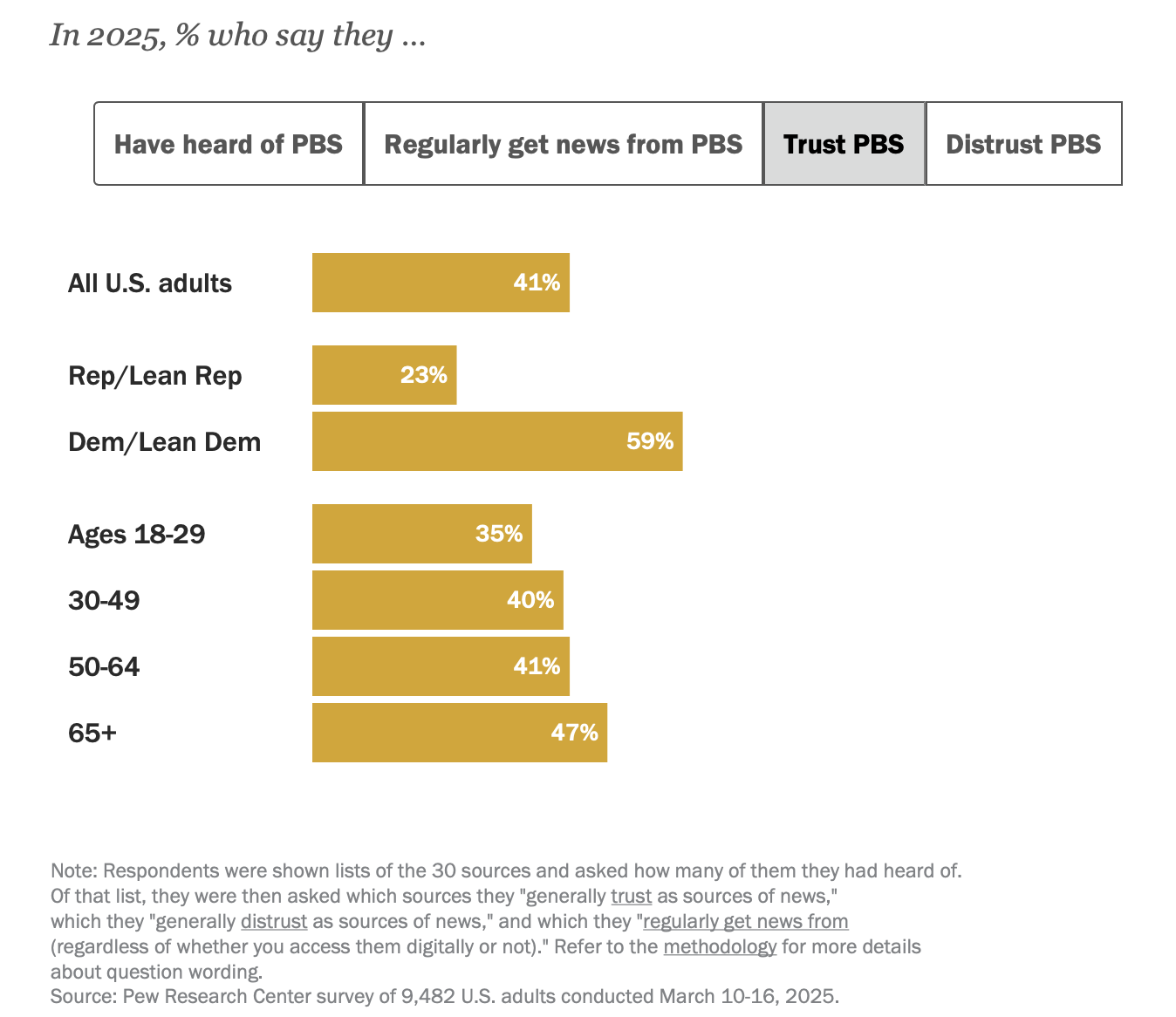
Source: Pew Research Center
Given PBS’s high level of trust among Democrats, particularly in reporting, it is important to assess the news source’s bias and reliability. This article delves into PBS’s editorial tendencies to explore whether political bias is present and, if so, to what extent.
Is PBS Biased?
Based on Biasly’s evaluations, PBS is rated as Somewhat Left.
By examining content patterns and the broader context of media influence, we aim to offer a balanced perspective on PBS’s political bias—and contribute to the ongoing discussion about bias in the news.
How Does Biasly Rate News Sources?
Biasly uses proprietary algorithms and a team of analysts to provide comprehensive bias evaluations across thousands of news outlets. Over 200,000 articles from more than 3,200 sources have been analyzed to identify the most accurate and unbiased stories.
Biasly assigns each outlet three key scores:
- Reliability Score – Reflects factual accuracy
- AI Bias Score – Generated via natural language processing
- Analyst Bias Score – Assessed by human political analysts
These scores are based on seven core metrics: Tone, Tendency, Diction, Author Check, Selection/Omission, Expediency Bias, and Accuracy. These elements help analysts and algorithms evaluate the political attitude conveyed by each article.
Biasly’s Bias Meter ranges from -100% (most left) to +100% (most right), with 0% indicating neutrality. The system evaluates individual articles based on political terms, policies, figures, and sentiment to calculate precise bias ratings.
Is PBS Politically Biased?
PBS earns a Somewhat Left rating for its AI Bias Score and a Center for its Analyst Bias Score. The Analyst Bias Score is generated by reviewers from liberal, moderate, and conservative backgrounds. Analysts reviewed 15% of articles from _ SOURCE_NAME _ and noted preferences in areas such as coverage of liberal politicians and policy topics, including abortion rights and immigration. However, the paper maintained objectivity regarding topics such as education, civil rights, and national security.
For example, coverage on the U.S. seizing a rogue oil tanker off the coast of Venezuela mostly reflects a neutral tone, but language towards President Trump contributes to the article’s Very Liberal bias score.
A PBS article has the following quote:
“The seizure marked a dramatic escalation in President Donald Trump’s campaign to pressure strongman Nicolás Maduro by cutting off access to oil revenues that have long been the lifeblood of Venezuela’s economy. It could also signal a broader U.S. campaign to clamp down on ships like the Skipper, which experts and U.S. officials say is part of a shadowy fleet of rusting oil tankers that smuggle oil for countries facing stiff sanctions, such as Venezuela, Russia and Iran.”
How to Evaluate Bias
Although Biasly rates PBS as Somewhat Left, it’s important to remember that bias can vary from article to article. PBS also covers liberal-leaning policies with objectivity on many issues, from national legislation to social developments. This complexity underscores the importance of examining each article individually. So, let’s learn how to evaluate media bias.
Recognizing media bias requires awareness and critical thinking. Often, readers trust news sources that affirm their existing beliefs, a psychological tendency known as confirmation bias. This makes it harder to identify slanted narratives or one-sided reporting.
To combat this, it’s essential to challenge your assumptions by consulting multiple viewpoints and verifying news through third-party analysis. Tools like Biasly’s media bias ratings allow readers to compare the same news story across the political spectrum.
Ultimately, bias isn’t always a matter of what is said, it’s also about what is left out, how topics are framed, and which stories are chosen for coverage. Learning to recognize these patterns can help readers make more informed decisions and develop greater media literacy.
To start comparing news outlets and gain a better understanding of bias, sign up for Biasly’s Media Bias & News Analytics Platform to see how stories vary between sources.
PBS Reliability Overview
Is PBS Reliable?
PBS finds itself with high reliability. A 2024 poll from YouGov asked Americans about what news source they trusted most, and PBS was ranked third, behind The Weather Channel and The BBC. With such a high amount of trust among viewers, further investigation is needed to determine whether bias or other factors are affecting its accuracy. At Biasly, we specialize in evaluating not just bias but also the reliability of media outlets. Let’s explore the accuracy and trustworthiness of PBS.
How to Evaluate Reliability?
Reliability refers to how trustworthy or accurate a news source is. If we can’t trust what we read, then continuing to consume content from that outlet serves little purpose. So how do we evaluate a news outlet’s reliability?
There are several potential measures of reliability to look out for when trying to determine whether a media source is reliable or not. Red flags for an unreliable article can include the presence of wild, unsubstantiated claims, facts dependent on other unreliable sources, heavy use of opinionated language, and more. In contrast, hallmarks of a reliable source include:
- Absence of subjective language
- Citing credible sources (e.g., .gov, .edu, academic references)
- Verifiable facts and statistics from multiple outlets
- Use of primary sources, like interviews or transcripts
- Consistency with coverage across other platforms
Biasly’s reliability scores incorporate these elements in evaluating media outlets.
So How Does PBS Fare in Its Reliability?
The political reliability index developed by Biasly assesses both accuracy and trustworthiness. PBS currently holds Good Reliability Score, which is calculated as a weighted average of:
- Fact Analysis Score – Evaluates the accuracy of claims, facts, and evidence.
- Source Analysis Score – Assesses the number, diversity, and credibility of sources and quotes used.
PBS’s Source Analysis Score is Average at 44% Reliable. This suggests moderate trustworthiness in its sourcing practices. The score is AI-generated and considers quote length, frequency, diversity, and quality.
The Fact Analysis Score of PBS is Excellent at 93% Reliable. This further shows how well PBS supports its claims, addresses selection and omission bias, and presents verifiable evidence.
While PBS leans toward factual reporting, occasional lapses, such as unbalanced viewpoints or incomplete context, can affect its reliability rating. These nuances emphasize the importance of analyzing individual articles.
PBS’s Accuracy and Reliability
According to Biasly’s analysis, PBS maintains Good Reliability Score, but individual articles may vary significantly. Let’s dive into the details.
Political orientation plays a crucial role in how audiences perceive reliability. PBS has been accused of favoring a liberal policy narrative, potentially at the expense of even-handed reporting. To confirm, it’s important to analyze the evidence and viewpoints provided by PBS.
Two common types of bias that affect factuality include:
- Selection Bias – Highlighting or omitting stories to fit a particular narrative.
- Omission Bias – Leaving out differing perspectives or relevant details to skew perception.
Biasly’s accuracy ratings use a scale from 1% (least accurate) to 100% (most accurate). Factors include the presence of supporting evidence, internal and external reliable sources, and balanced viewpoints.
So, Is PBS Reliable?
Overall, PBS can be considered to be an outlet that is very reliable. It demonstrates a consistent goal of journalistic integrity and typically supports claims with sources and quotes. Occasional omissions and framing bias do appear, particularly on culturally sensitive or partisan issues.
As media literacy improves, readers can more easily detect issues with selection bias, omission bias, and factuality. To strengthen your ability to assess reliability across the political spectrum, use Biasly’s News Bias Checker to compare how multiple outlets report the same story.
This empowers you to consume more accurate, balanced, and dependable news.
PBS Editorial Patterns
PBS Editorial Patterns
PBS’s coverage of political topics often reflects a Somewhat Left bias, with consistent patterns in phrasing, source selection, and thematic focus that are Slightly Liberal. While the publication demonstrates journalistic standards in many of its reports, its story selection, framing, and word usage can indicate a political slant. This content analysis examines how PBS handles liberal and conservative issues and evaluates its language choices and editorial tendencies. PBS also aggregates content from sources with similar bias ratings, such as NPR and the Associated Press.
Coverage of Liberal vs. Conservative Topics
PBS frequently covers public-policy and social issues—including healthcare, immigration, climate, and civil rights—often using a neutral, explanatory tone. In reporting on topics such as abortion policy, clean energy initiatives, and anti-discrimination protections, its coverage may more consistently foreground the practical impacts on affected communities and the arguments commonly advanced by liberal policymakers and advocacy groups, which can read as a mild center-left tilt even when opposing viewpoints are included.
Additionally, PBS criticizes legislators and U.S. officials from both sides of the political spectrum, but often employs a critical tone and framing on Republican-led initiatives. The rating for PBS indicates that its biases are typically subtle; therefore, this article will highlight ways to identify bias in reporting.
Policy and Issue Framing
When covering abortion, PBS often frames increased access to reproductive healthcare favorably, aligning with pro-choice positions. This aligns with a somewhat left media bias. Similarly, border control coverage often adopts a sympathetic framing towards migrants and urges lawmakers to make policy changes. Articles will also highlight any conservative figures and policies regarding immigration and border control in a negative light.
Certain policies covered by PBS are framed more conservatively, such as affirmative action. However, PBS mainly remains centered in reporting on policies like anti-discrimination laws, border asylum for refugees, and the Black Lives Matter protest.
Coverage and Relevance
PBS focuses heavily on U.S. politics, covering federal elections, Congress, and major policy debates, while also offering international reporting. As of February 2024, over the course of a year, 58% of all U.S. households, which is more than 130 million people, watch PBS via traditional television. With such a large viewership, PBS serves as a compelling case study of examining media bias and bias-based reporting.
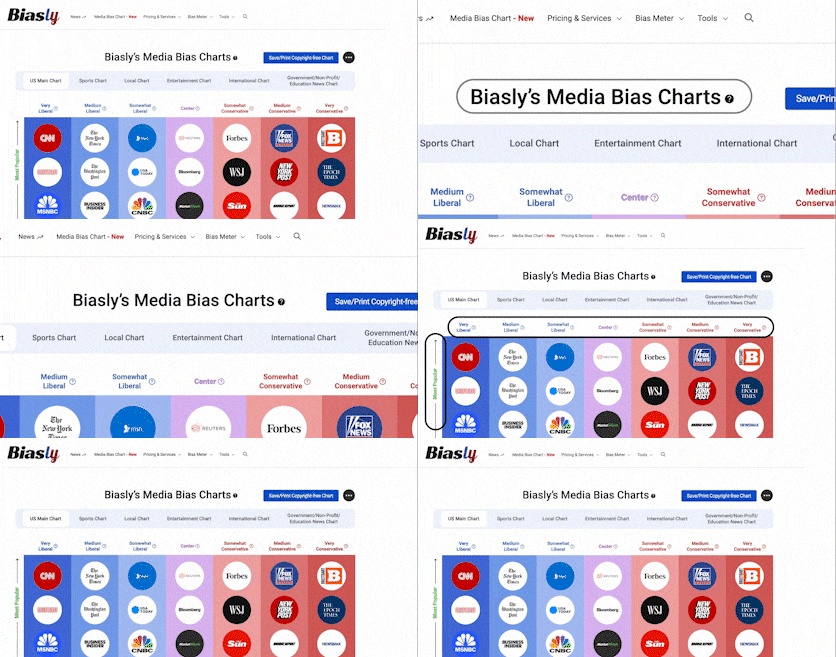
Because of its reach and editorial structure, PBS provides a useful baseline for comparing how diction, framing, and tone vary across news organizations. Readers can use tools like Biasly’s Media Bias Chart to compare PBS’s coverage alongside other outlets.
Funding and Ownership
Who Owns PBS?
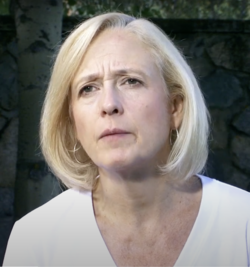
Paula A. Kerger, CEO, PBS – Source: Wikipedia
PBS is a member organization that is collectively owned by over 300 member stations. PBS’s member stations elect the board of directors, who are headquartered in Arlington, Virginia. PBS NewsHour is produced by WETA through its production entity NewsHour Productions LLC. The CEO and President of PBS is Paula A. Kerger, who has been CEO since March 2006, making her the longest-serving leader in the organization’s history.
Who Funds PBS?
PBS is funded through multiple sources. PBS receives some government funding through the Corporation for Public Broadcasting. Additionally, PBS receives funding from underwriting/corporate sponsorships and individual donations from viewers and foundations.
Additional Insights
News Source Comparison
PBS is often compared with national outlets that are Somewhat Left. Sources like NBC News, USA Today, or CNBC often present similar tones and editorial philosophies. While PBS maintains a Somewhat Left media bias, it differs from other sources in that it occasionally includes opposing viewpoints and strives for national coverage balance.
This contrasts with outlets that present consistently one-sided narratives with few factual counterpoints. Readers seeking balanced political coverage may compare PBS’s framing of issues with outlets rated as Center, Somewhat Right, or Lean Right on our Media Bias Chart, or explore other national papers on our Similar Sources page.
Notable Contributors and Authors
PBS employs a diverse range of reporters, columnists, and journalists who are deeply familiar with United States politics. Correspondent William Brangham was nominated for a News & Documentary Emmy in 2022 for reporting on climate change and won a Peabody Award in 2022 for his coverage on guns and gun violence in America. Additionally, senior correspondent Judy Woodruff has five decades of experience in political coverage, 25 honorary degrees, and an Emmy Lifetime Achievement Award, and has a foundation called the International Women’s Media Foundation, which is dedicated to promoting and encouraging women to pursue journalism worldwide.
Related Tools and Resource Pages
To better understand how PBS fits into the broader media landscape, we recommend exploring these helpful resources:
- Media Bias Chart: See where PBS ranks among hundreds of media outlets across the political spectrum.
- Political Bias Chart: Visualize political slants of news sources across various policy areas.
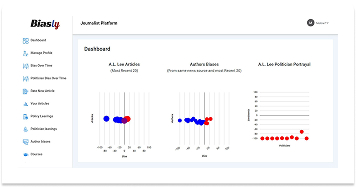
- Journalist Bias Analytics Platform: Explore how individual journalists contribute to bias within their publications.
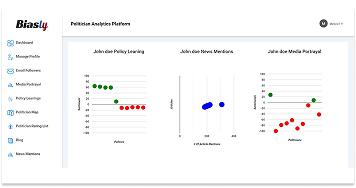
- Politician Bias Analytics Platform: Compare how politicians are framed differently by PBS and other outlets.
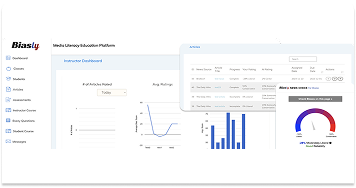
- Media Literacy Education Platform: Learn how to critically assess media sources, bias techniques, and news reliability.
Frequently Asked Questions
PBS is rated as Somewhat Left based on Biasly’s media bias algorithm, which assesses sentiment, article framing, and policy favorability.
PBS is not widely known for promoting misinformation. However, recently, PBS was accused of bias during a U.S. House DOGE Committee hearing. Several House Republicans threatened to roll back funding from both PBS and NPR.
Biasly uses a combination of AI sentiment analysis and human analyst review to assess tone, fact accuracy, source quality, and media bias indicators. Learn more on our Bias Meter page.
Generally, yes, and PBS is known for giving readers multiple perspectives when reporting a story.
Military Spending
| Date | Sentiment | Associated Article | Snippet |
|---|---|---|---|
| 08/25/2019 | 75% For | Trump Family Detentions Flores Agreement (link) | So, of course, the Trump administration is doing the opposite in a baldfaced |