




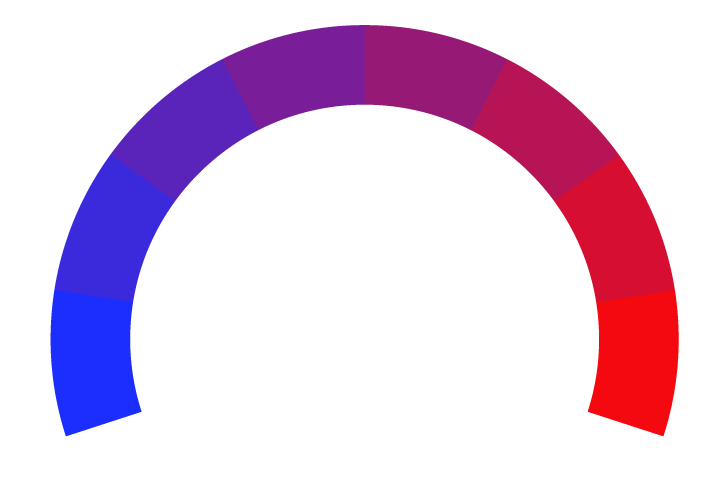
-8% Center
Bias Meter
Extremely
Liberal
Very
Liberal
Somewhat Liberal
Center
Somewhat Conservative
Very
Conservative
Extremely
Conservative
-100%
Liberal
100%
Conservative
Biasly determines media bias ratings through a dual-layered approach combining artificial intelligence and analyst review. The platform’s proprietary bias detection engine, Bias Meter, evaluates sentiment, policy position alignment, and language framing across thousands of data points in news articles. Analysts then verify and interpret the AI’s findings, providing additional context where needed. Learn more about ratings
- Profile
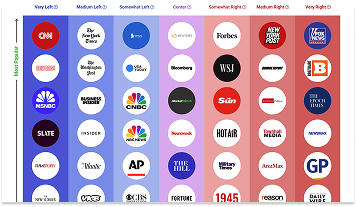
USA Today on the media bias chart
- Bias Rating
-8% Center
- Reliability82% Reliable GoodPolicy Leanings
-4% Center
Extremely
LiberalVery
LiberalModerately
LiberalSomewhat Liberal
Center
Somewhat Conservative
Moderately
ConservativeVery
ConservativeExtremely
Conservative-100%
Liberal100%
Conservative
Average Reliability
*Our bias meter rating uses data science including sentiment analysis, machine learning and our proprietary algorithm for determining biases in news articles. Bias scores are on a scale of -100% to 100% with higher negative scores being more liberal and higher positive scores being more conservative and 0% being neutral. The rating is an independent analysis and is not affiliated nor sponsored by the news source or any other organization.
Politician Portrayal76% negative
Continue For Free
Create your free account to see the in-depth bias analytics and more.
By creating an account, you agree to our Terms and Privacy Policy, and subscribe to email updates.
Log In
Log in to your account to see the in-depth bias analytics and more.
Analysis of USA Today Articles
Analysis of Bias in USA Today Online Articles
To evaluate the bias of online articles, we can analyze select USA Today articles through several of Biasly’s bias rating criteria: Tone, Tendency, Author, Diction, and Expediency Bias.
- Tone: The overall attitude conveyed by the article
- Diction: Specific word choices made by the writer
- Author: The background and social presence of the journalist
- Tendency: Patterns of bias in the writer’s broader body of work
- Expediency Bias: Quick visual or textual indicators like headlines and photos that imply bias
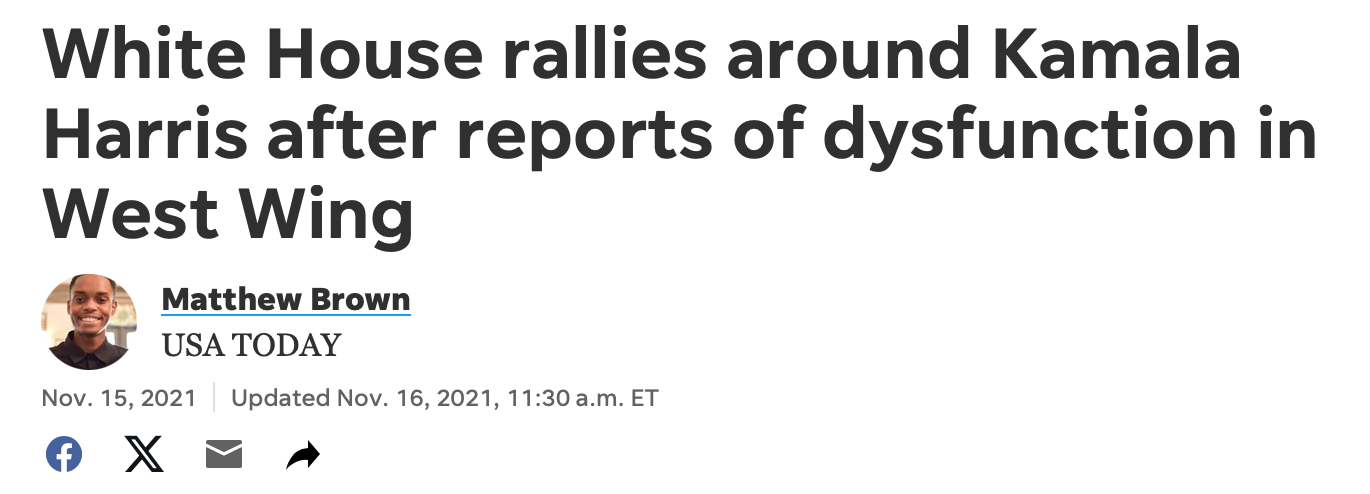
The first article we will investigate is an article titled, “White House pushes back on Kamala Harris stories detailing concerns,” which was rated Center by Biasly. The author’s tone stays informative and suggests discord in the White House. The informative tone is consistent throughout the article, but it also suggests tension between Joe Biden and Kamala Harris regarding the 2024 presidential election.
“A Sunday Politico story highlighted early jockeying to replace Biden as the Democratic nominee for president in 2024 or 2028 and noted that Democrats outside the White House are still gearing up for a potentially competitive primary despite Harris’ status as Biden’s second-in-command and presumed heir.”
The author’s diction and language also remain moderate throughout the article. The language used in the article is neutral, and evidence is cited from multiple government agencies. Furthermore, the author himself, Matthew Brown, was a White House reporter for USA Today, where he covered all breaking news during the Biden administration.
Brown does not have an X account, but does have an Instagram one. On his Instagram account, he posts photos of himself reporting at the White House, Air Force One, and on CNN live. Some of his articles can indicate a slight left lean, but mostly stay neutral. Those article titles include, “Biden to announce $800M in additional military aid for Ukraine: March 15 recap” and “Biden calls Putin ‘war criminal,’ signs off on $800M for Ukraine: March 16 recap. “
In conclusion, Brown makes an effort to be objective and include a few different viewpoints from different organizations that give a clear and concise view of the issue he’s reporting on. All in all, this shows that despite certain parts of his report coming off left-leaning, Brown’s article as a whole is considered to be center-left to somewhat left, which is consistent with USA Today’s bias rating.
Another article by USA Today displays a significant bias presence. The article, “Elise Stefanik elected to House GOP leadership, replacing Liz Cheney,” was rated “Extremely Left” by Biasly. The authors Bart Jensen and Savannah Behrmann remain neutral in their tone throughout the article, but only use quotes from Republicans in their story. According to Biasly A.I. metrics, the authors used certain words, phrases, and quotes that gave several negative sentiments towards Republican politicians throughout the article. These sentiments included 15 against Donald Trump, 19 against Elise Stefanik, and 11 against Liz Cheney. Additionally, the article only included two mentions of Democrats, each of which had one positive sentiment.
When looking at Bart Jensen and Savannah Behrmann’s X accounts, left-leaning viewpoints are consistent throughout their posts. Behrmann posted on June 1st, 2023,
“Tonight’s vote is a good outcome because Dems did a very good job taking the worst parts of the Republican plan off the table. And that’s why Dems voted overwhelmingly for this bill while Republicans, certainly in the Senate, did not.”
Schumer touting passage of debt ceiling bill
“Tonight’s vote is a good outcome because Dems did a very good job taking the worst parts of the Republican plan off the table. And thats why Dems voted overwhelmingly for this bill while Republicans, certainly in the Senate, did not” pic.twitter.com/9gRA9VgaiR
— Savannah Behrmann (@SavBehrmannDC) June 2, 2023
Additionally, Jensen has made several posts about student debt forgiveness with left-leaning language. He also posts links or markets his articles, but there is still a clear liberal bias in his tweets. For example:
“Join us today at 1 p.m. ET as USA TODAY reporters @ganjansen and @CQuintanaDCtalk about how the Biden administration has been cracking down on certain debtors as well as how you could qualify for more student loan forgiveness.”
Join us today at 1 p.m. ET as USA TODAY reporters @ganjansen and @CQuintanaDC talk about how the Biden administration has been cracking down on certain debtors as well as how you could qualify for more student loan forgiveness. https://t.co/6hr9DNPYs1
— USA TODAY Politics (@usatodayDC) February 22, 2022
Even though an organization can be slightly left in a majority of its coverage, there is no way to fully remove bias from its reporting. This is because everyone has an inherent bias, and some authors display it more than others. Despite attempts to remain balanced in reporting, USA Today articles can be framed and highlight policies that lean towards the liberal side of the political spectrum.
Analysis of USA Today Opinion Articles
To fully understand political bias in the media, it is important to differentiate between factual reporting and opinion pieces. Although the goal of reporting is to present facts and let readers form their own conclusions, opinion articles express personal perspectives on current issues. While the previous section examined factual reporting, this section turns to how bias surfaces through USA Today’s selection and tone of opinion content.
Let’s investigate further in an article titled, “Debt ceiling deal reveals the impotence of Donald Trump’s MAGA Movement.” The title itself shows the author’s bias. The word “impotence”, when defined, means “the inability to get anything done,” specifically taking shots at Republicans in Congress by implying their weakness and ineffectiveness. The title alone can influence the reader’s opinion before they read the article.
The author does not offer a balanced or impartial report. As seen by the article’s title and the condemning tone against President Trump and Congressional Republicans. Now, the tone and language of the article can highlight a heavy bias. That, however, is not necessarily a bad thing. The difference between opinion and factual reporting is large, but opinion pieces are okay as long as authors do not mislead their readers.
The article titled, “Measles, mpox, Marburg virus, oh my! Here’s why we’re seeing so many emerging infections,” is an example of a less biased piece. This article has a more objective title, focusing more on informing readers instead of chasing an agenda or shoving their opinion in their faces. Neutral language and reliable information also help the article be objective and clear. Just the title alone predicts that the article will be less prejudiced.
These examples show that while not all USA Today opinion pieces are deeply polarizing. These articles emphasized USA Today’s variety of opinions by columnists, further stressing the importance of knowing how to differentiate opinion from factual reporting.
Analysis of Reliability in USA Today’s Online News Articles
USA Today aims to give everyone objective, transparent news and information. USA Today employs a staff with unique perspectives and different backgrounds who can balance the conversation. Readers, however, should differentiate between opinion-based and news reporting to evaluate source credibility.
Consider the article, “Kevin McCarthy said if Republicans retake House, Marjorie Taylor Greene and Paul Gosar may get ‘better’ committee assignments.” The article received a score of Left-Center, and Reporter Savannah Behrmann does a great job at staying as neutral as possible. However, there is still a chance of bias presence. In this article, Behrmann includes three quotes from Republicans and five from Democrats. Her quotes from Republicans are from the same source and a bit repetitive. Her quotes from Democrats are from multiple sources. This highlights a lack of diverse sources.
Additionally, the quotes Behrmann uses from Democrats suggest an attempt to paint the Republicans in a negative light. One of her Republican quotes was:
“They’ll have committees. They may have other committee assignments,” and “They may have better committee assignments.”
The other quotes are quite bland and suggest the same thing: that Republicans who lost their committee assignments will likely get them back. Her Democrat quotes are the exact opposite. There is more opinion and flair in them. Her first Democratic quote is from Nancy Pelosi, who said:
“What happened yesterday brought shame to the House,” and “[Republicans are] endangering lives of members. They set a bad example for other people to endanger the lives of people. It’s not just about members of Congress. It’s about the American people.”
These are just two examples of how quotes can be used to push a certain narrative and influence readers’ opinions. With the cherry-picking of quotes, the article shows a liberal-leaning bias, contributing to the bias in the article.
Quality of Sources and Facts Used
USA Today often uses an array of sources from across the political spectrum. USA Today typically does a good job of using reliable sources and citing facts with evidence. However, some articles are skewed in how they present information and certain language.
An opinion piece by Rex Huppke titled “Nikki Haley’s grotesque, and wrong, attempt to link trans youth to suicide among teen girls” is a perfect example. The title alone is heavy in biased words, and through research, Huppke’s article is not as factual as he tries to make it sound. What is in the article, we will analyze to determine the reliability of the sources and facts used.
In Huppke’s article, he only uses four sources, one being Nikki Haley’s CNN interview. The others are from various institutions or linked back to USA Today:
- Two studies from the U.S. Centers for Disease Control and Prevention
- Public Broadcasting Service
- A report from the Williams Institute at UCLA School of Law
- An Associated Press Report, Somewhat Left
Additionally, the total number of quotes Huppke uses in his article is 11. Only two are from Nikki Haley’s CNN interview. The others are from various institutions linked in the article. While the overall quality of sources is alright, the biggest problem in the article is that the small number of quotes and sources does not provide a consistent group of opinions and facts.
Many of the quotes are short, and their weight and credibility are diminished by the lack of context around them. Huppke only uses them to get his left-leaning point across, instead of focusing on providing the details surrounding each quote. The emphasis on the author’s opinion and lack of facts demonstrates the author’s liberal bias, especially with no opposing viewpoints or facts in the article.
Selection and Omission Bias
USA Today provides extensive coverage of United States politics, and republican and democratic leaders, which is reasonable given that the goal of USA Today is to provide in-depth, fact-based news to everyone. However, bias may still emerge through framing and story selection.
An article we looked at earlier, titled “Kevin McCarthy said if Republicans retake House, Marjorie Greene Taylor and Paul Gosar may get ‘better’ committee assignments,” will serve as an example. In this article, Reporter Savannah Behrmann uses specific photos and videos to cover her side of the story. By omitting or not using certain photos and videos, she is employing omission bias.
Behrmann’s opening video features Rep. McCarthy speaking at the podium in concern about the committee assignments they will be assigning if they win the House of Representatives. The video cuts during Rep. McCarthy’s speech to Nancy Pelosi speaking against them, and that’s the rest of the video. The video includes viewpoints from both speakers, but the ending remarks subtly position the narrative in favor of the Democratic perspective.
Moreover, she has a picture that is quoted as saying that the Representative from Georgia, Marjorie Taylor Greene, is advocating violence against Democrats. It is a 16-picture slide that supports the idea of Democrats being the good guys and Republicans as supporters of political violence. With this, Behrmann is putting ideas in readers’ heads, especially with captioning the photos with a biased tone and diction. This is a form of selection bias through the exclusive use of photos.
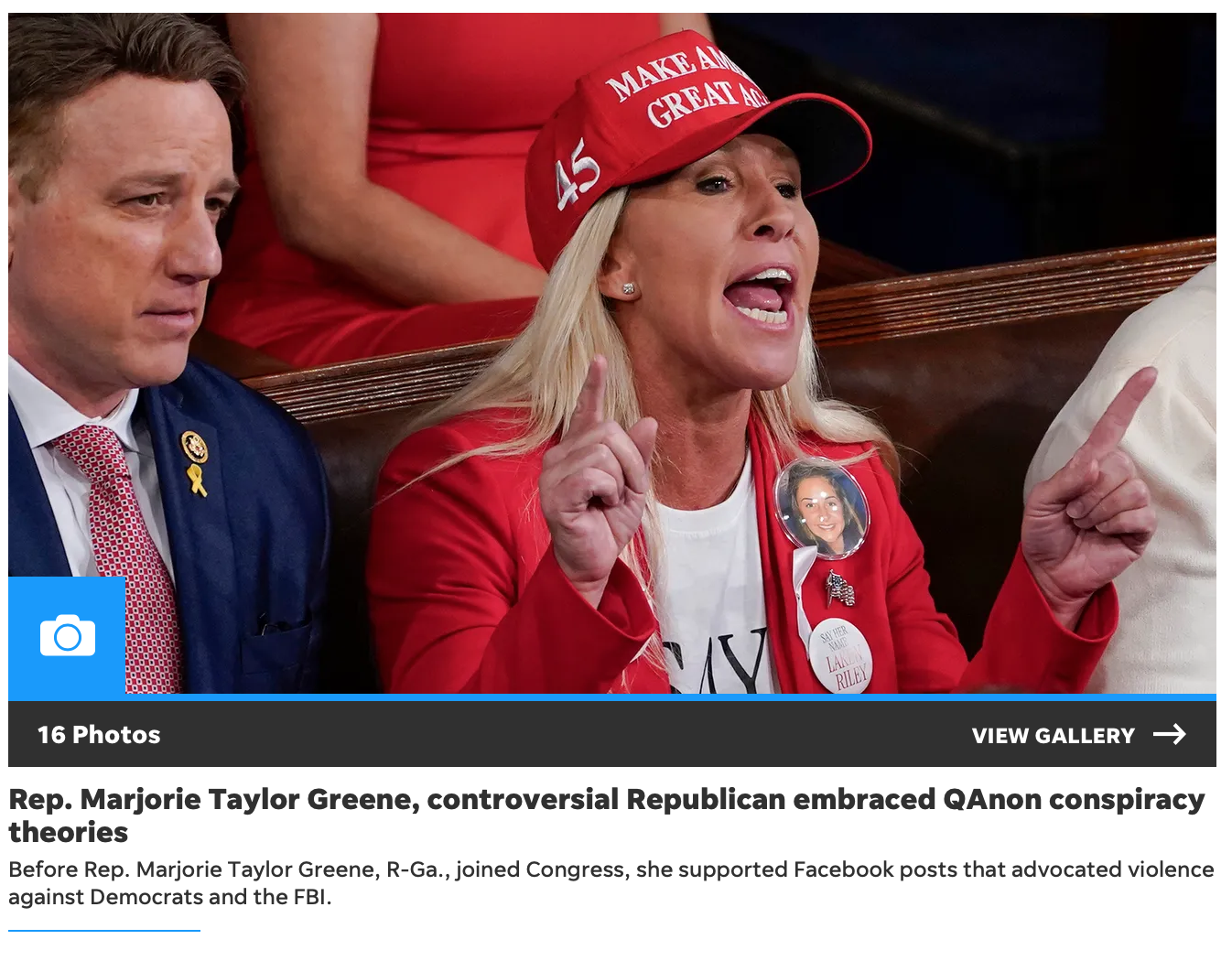
Source: USA Today
When it comes to opinion pieces, it is important for readers to know that issues with factuality, sources, selection, and omission can come up frequently. The articles covered so far reflect USA Today’s Center views. However, this is not necessarily detrimental to USA Today’s overall reliability. Its evidence may favor issues more towards the left, making it safe to assume it neglects issues in the United States that concern the right. Nonetheless, USA Today maintains accuracy and tends to cite evidence directly from political leaders.
USA Today Bias Overview
USA Today started as a newspaper in 1982. Today, it is one of the most well-known and frequently read news sources in the United States. USA Today covers a wide range of topics, including sports, politics, technology, entertainment, and travel. A unique feature of USA Today is its ‘snapshots,’ colorful mini-infographics that provide readers with quick and digestible information.
According to Similar Web, USA Today has a monthly average of roughly 147 million visits. When it comes to media bias, both AI and media analysts have evaluated its content, sources, and funding to determine its political leaning.
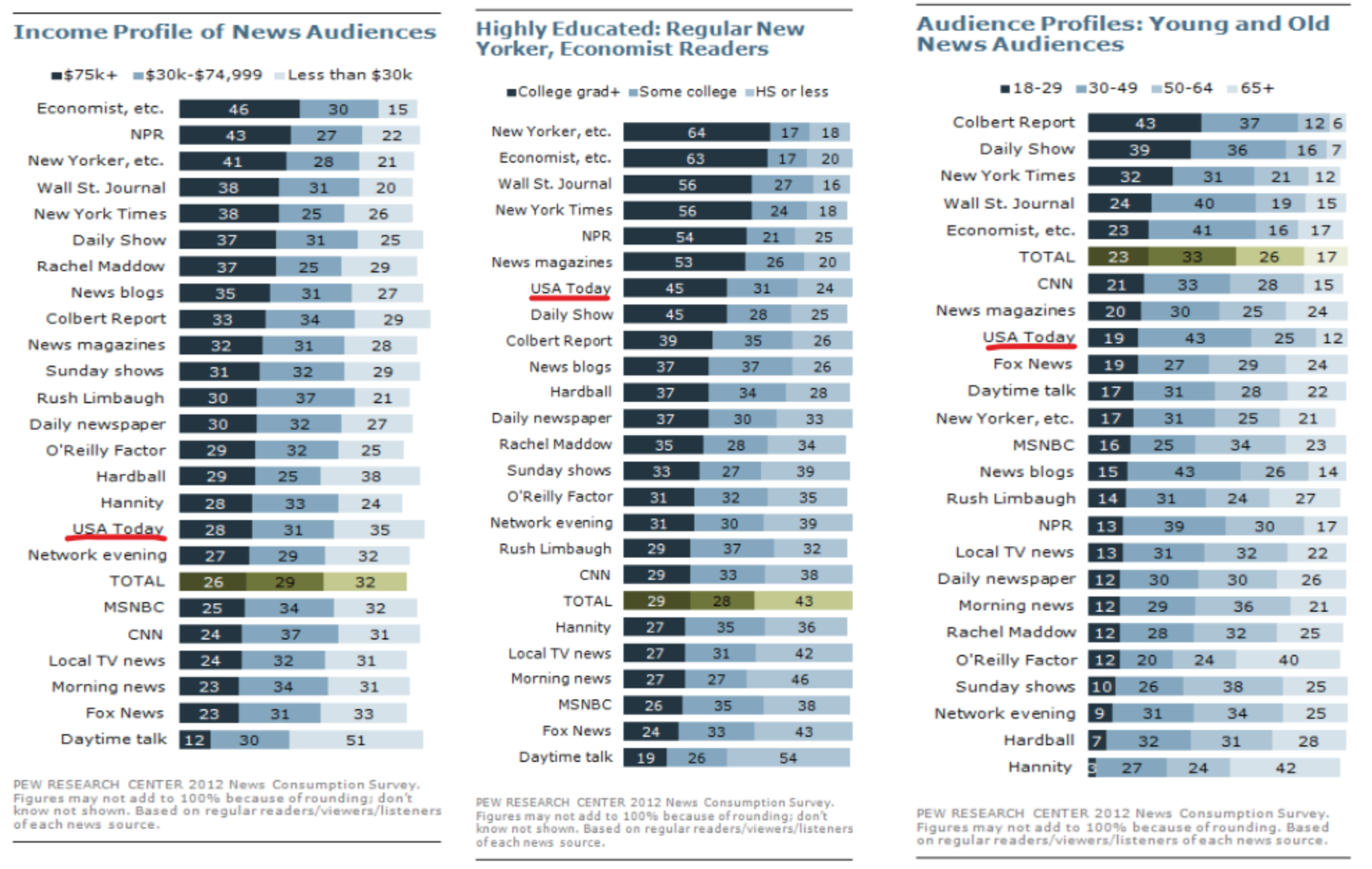
Source: Pew Research Center
According to the Pew Research Center, the majority of USA Today’s readers are between the ages of 30 and 49, and 76% are college-educated or have some college experience. Additionally, 59% earn $30,000 or more per year, with 28% exceeding $75,000 per year. Given that USA Today’s audience tends to be educated, well-funded, and knowledgeable, can USA Today be biased? In the articles below, we will examine whether bias is prevalent in this publication.
Is USA Today Biased?
Based on Biasly’s evaluations, USA Today is rated as Center.
By examining content patterns and the broader context of media influence, we aim to offer a balanced perspective on USA Today’s political bias—and contribute to the ongoing discussion about bias in the news.
How Does Biasly Rate News Sources?
Biasly uses proprietary algorithms and a team of analysts to provide comprehensive bias evaluations across thousands of news outlets. Over 200,000 articles from more than 3,200 sources have been analyzed to identify the most accurate and unbiased stories.
Biasly assigns each outlet three key scores:
- Reliability Score – Reflects factual accuracy
- AI Bias Score – Generated via natural language processing
- Analyst Bias Score – Assessed by human political analysts
These scores are based on seven core metrics: Tone, Tendency, Diction, Author Check, Selection/Omission, Expediency Bias, and Accuracy. These elements help analysts and algorithms evaluate the political attitude conveyed by each article.
Biasly’s Bias Meter ranges from -100% (most left) to +100% (most right), with 0% indicating neutrality. The system evaluates individual articles based on political terms, policies, figures, and sentiment to calculate precise bias ratings.
Is USA Today Politically Biased?
USA Today earns a Center rating for its AI Bias Score and a Somewhat Left for its Analyst Bias Score. The Analyst Bias Score is generated by reviewers from liberal, moderate, and conservative backgrounds. Analysts reviewed and USA Today’s articles and noted preferences in areas like abortion, elections, and topics such as border control and affirmative action.
Bias is natural. For media, bias towards specific coverage can retain audiences, encourage subscription purchases, and bring positive ratings. This creates a cycle where sources will continue to cover stories from a specific perspective, out of the hope that the positive feedback will continue. Bias goes two ways. News sources will cover the stories and perspectives that viewers want to see.
How to Evaluate Bias
Although Biasly rates USA Today as Center, it’s important to remember that bias can vary from article to article. USA Today also covers liberal-leaning policies with objectivity on many issues, from national legislation to social developments. This complexity underscores the importance of examining each article individually. So, let’s learn how to evaluate media bias.
Recognizing media bias requires awareness and critical thinking. Often, readers trust news sources that affirm their existing beliefs, a psychological tendency known as confirmation bias. This makes it harder to identify slanted narratives or one-sided reporting.
To combat this, it’s essential to challenge your assumptions by consulting multiple viewpoints and verifying news through third-party analysis. Tools like Biasly’s media bias ratings allow readers to compare the same news story across the political spectrum.
Ultimately, bias isn’t always a matter of what is said; it’s also about what is left out, how topics are framed, and which stories are chosen for coverage. Learning to recognize these patterns can help readers make more informed decisions and develop greater media literacy.
To start comparing news outlets and gain a better understanding of bias, sign up for Biasly’s Media Bias & News Analytics Platform to see how stories vary between sources.
USA Today Reliability Overview
Is USA Today Reliable?
USA Today finds itself with a high reliability rating. Its status as a national news outlet contributes to its high reliability score. A 2021 survey by the Reuters Institute USA Today was ranked as the 9th most trusted news organization. According to the survey, 43% of people surveyed trust USA Today, while only 31% do not trust it. Also, 26% replied as not trusting or distrusting USA Today, giving the media organization a high level of trust in the journalism community.
With a high level of trust among readers, further investigation is needed to determine whether bias or other factors are affecting its accuracy. At Biasly, we specialize in evaluating not just bias but also the reliability of media outlets. Let’s explore the accuracy and trustworthiness of USA Today.
How to Evaluate Reliability?
Reliability refers to how trustworthy or accurate a news source is. If we can’t trust what we read, then continuing to consume content from that outlet serves little purpose. So how do we evaluate a news outlet’s reliability?
There are several potential measures of reliability to look out for when trying to determine whether a media source is reliable or not. Red flags for an unreliable article can include the presence of wild, unsubstantiated claims, facts dependent on other unreliable sources, heavy use of opinionated language, and more. In contrast, hallmarks of a reliable source include:
- Absence of subjective language
- Citing credible sources (e.g., .gov, .edu, academic references)
- Verifiable facts and statistics from multiple outlets
- Use of primary sources, like interviews or transcripts
- Consistency with coverage across other platforms
Biasly’s reliability scores incorporate these elements in evaluating media outlets.
So How Does USA Today Fare in Its Reliability?
The political reliability index developed by Biasly assesses both accuracy and trustworthiness. USA Today currently holds Good Reliability Score, which is calculated as a weighted average of:
- Fact Analysis Score – Evaluates the accuracy of claims, facts, and evidence.
- Source Analysis Score – Assesses the number, diversity, and credibility of sources and quotes used.
USA Today’s Source Analysis Score is Average at 55% Reliable. This suggests moderate trustworthiness in its sourcing practices. The score is AI-generated and considers quote length, frequency, diversity, and quality.
The Fact Analysis Score of USA Today is Good at 89% Reliable. This further shows how well USA Today supports its claims, addresses selection and omission bias, and presents verifiable evidence.
While USA Today leans toward factual reporting, occasional lapses, such as unbalanced viewpoints or incomplete context, can affect its reliability rating. These nuances emphasize the importance of analyzing individual articles.
USA Today’s Accuracy and Reliability
According to Biasly’s analysis, USA Today maintains Good Reliability Score, but individual articles may vary significantly. Let’s dive into the details.
Political orientation plays a crucial role in how audiences perceive reliability. USA Today has been accused of favoring a liberal policy narrative, potentially at the expense of even-handed reporting. To confirm, it’s important to analyze the evidence and viewpoints provided by USA Today.
Two common types of bias that affect factuality include:
- Selection Bias – Highlighting or omitting stories to fit a particular narrative.
- Omission Bias – Leaving out differing perspectives or relevant details to skew perception.
Biasly’s accuracy ratings use a scale from 1% (least accurate) to 100% (most accurate). Factors include the presence of supporting evidence, internal and external reliable sources, and balanced viewpoints.
For instance, Biasly gave the Saudi Gazette a Somewhat Left Bias and a limited Analyst Reliability Score. One article titled. “Russia launches massive drone and missile barrage as US-Ukraine peace talks enter third day” showed a limited reliability for little to no opposing and diverse sources. Moreover, the article maintains neutral language and an informative tone.
We will take a closer look at more examples like this below to provide a further investigation into the reliability of USA Today’s articles. This will include its use of selection bias, omission bias, and the quality of its sources and the facts it uses.
So, Is USA Today Reliable?
Overall, USA Today can be considered to be an outlet that is very reliable. It demonstrates a consistent goal of journalistic integrity and typically supports claims with sources and quotes. Occasional omissions and framing bias do appear, particularly on culturally sensitive or partisan issues.
As media literacy improves, readers can more easily detect issues with selection bias, omission bias, and factuality. To strengthen your ability to assess reliability across the political spectrum, use Biasly’s News Bias Checker to compare how multiple outlets report the same story.
This empowers you to consume more accurate, balanced, and dependable news.
USA Today Editorial Patterns
USA Today’s coverage of political topics often reflects a Center bias, with consistent patterns in phrasing, source selection, and thematic focus that are Neutral. While USA Today maintains journalistic standards in many of its reports, the choice of language, issues, and framing can indicate a political slant. This analysis examines how USA Today covers liberal and conservative issues and evaluates the language choices and editorial tendencies in its coverage.
Coverage of Liberal vs. Conservative Topics
USA Today’s articles frequently cover progressive causes such as abortion, affirmative action, and border control, using sympathetic and supportive language. When it comes to other topics, such as the border wall, charter schools, and anti-discrimination laws, USA Today tends to remain neutral in coverage. Topics like Black Lives Matter Polarization are reported more conservatively.
Policy and Issue Framing
When covering abortion, USA Today often frames increased access to reproductive healthcare favorably, aligning with pro-choice positions. The same can be said with border control coverage, which adopts a sympathetic framing towards migrants and urges lawmakers to make policy changes.
In most topics, however, USA Today is centered in reporting. Specifically on policies like border asylum for refugees, anti-discrimination laws, assisted suicide, and the border wall.
Coverage and Relevance
USA Today focuses heavily on U.S. political affairs, covering federal elections, Congress, and major policy debates, while also offering international reporting. According to the Pew Research Center, most of USA Today’s readers are 40% Democrat, 39% Independent, and 20% Republican. As such, USA Today serves as a compelling study for bias in reporting.
Because of its reach and editorial structure, USA Today provides a useful baseline for comparing how diction, framing, and tone vary across news organizations. Readers can use tools like Biasly’s Media Bias Chart to compare USA Today’s coverage alongside other outlets.
Funding and Ownership
Who Owns USA Today?
In 1982, USA Today was created by veteran newsman Al Nueharth. Currently, USA Today is owned by USA Today CO., Incorporated. USA Today covers U.S. and International politics, sports, entertainment, and travel. USA Today says its “mission is to serve as a forum for better understanding and unity to help make the USA truly one nation.” It doesn’t stop there either. USA Today also provides a set of Principles and Ethical Conduct for Newsrooms.
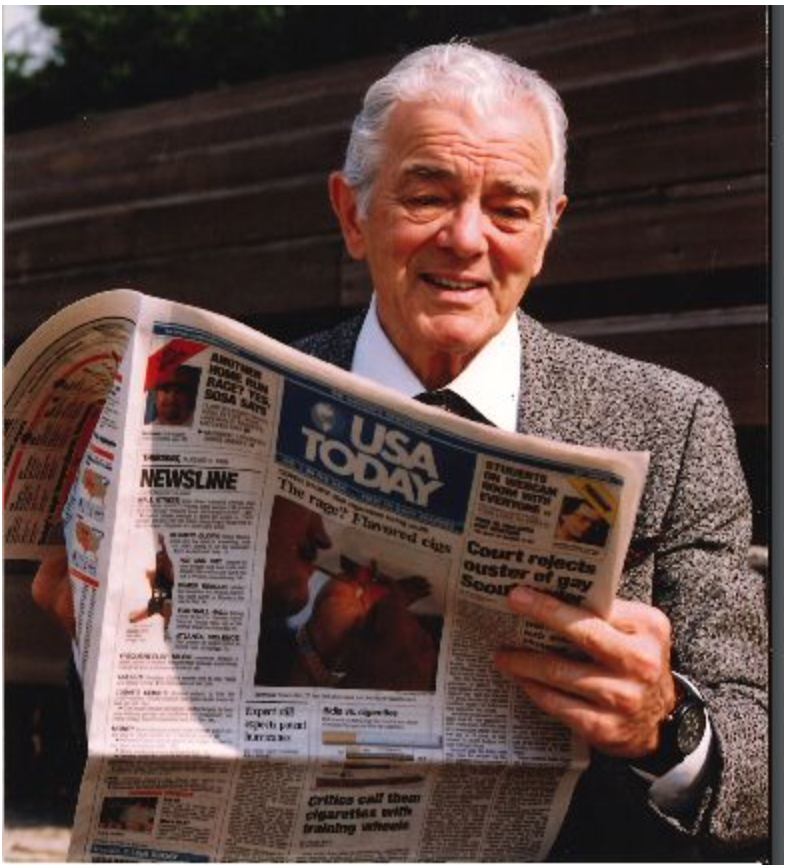
Al Nueharth, Founder, USA Today – Source: WikiMedia Commons
The current president of USA Today is Kristin Roberts. Roberts has led 30 newsrooms and architected a new business model for local media. Before working at USA Today, she served as the National Editor in Chief for POLITICO and spent 13 years at Reuters covering business and economics.
Who Funds USA Today?
USA Today is funded by its parent company, USA Today CO., a large, publicly traded media organization. USA Today CO also owns numerous local newspapers. USA Today generates revenue through subscriptions and advertising. Additionally, in August of 2019, GateHouse Media and Gannett, the owner of USA Today, merged to cut overlapping costs and pursue a digital transformation. They took Gannett as the new combined company name. In November of 2025, Gannett CO. rebranded and is now known as USA Today Co. The company wanted to be over a more recognizable masthead and honor its roots at “America’s Newspaper.”
Additional Insights
News Source Comparison
USA Today is often compared with center to center-left national outlets. Sources like the AP News, NBC News, or CNBC often present similar tones and editorial philosophies. While USA Today maintains a Center media bias, it differs from other sources in that it occasionally includes opposing viewpoints and strives for national coverage balance.
This contrasts with outlets that present consistently one-sided narratives with few factual counterpoints. Readers seeking balanced political coverage may compare USA Today’s framing of issues with outlets rated as Center, Somewhat Right, or Lean Right on our Media Bias Chart, or explore other national papers on our Similar Sources page.
Notable Contributors and Authors
USA Today employs a diverse range of reporters, columnists, and journalists who are deeply familiar with National and International politics. One notable example is the Managing Editor of politics, legal affairs, and the world, Holly Rosenkrantz. Rosenkrantz previously worked at Bloomberg News covering the White House and campaigns of the Clinton and Bush administrations. She has also covered labor and workplace issues during the Obama administration and is a leader in foreign policy breaking news. Another notable example is Senior Vice President Monica Richardson. Richardson has a 30-year career in journalism and has won two Pulitzer Prize Honors.
Related Tools and Resource Pages
To better understand how USA Today fits into the broader media landscape, we recommend exploring these helpful resources:
- Media Bias Chart: See where USA Today ranks among hundreds of media outlets across the political spectrum.
- Political Bias Chart: Visualize political slants of news sources across various policy areas.
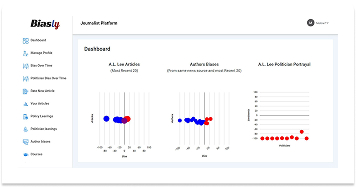
- Journalist Bias Analytics Platform: Explore how individual journalists contribute to bias within their publications.
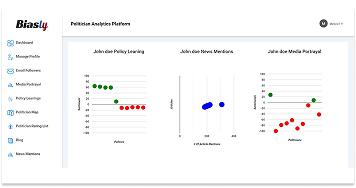
- Politician Bias Analytics Platform: Compare how politicians are framed differently by USA Today and other outlets.
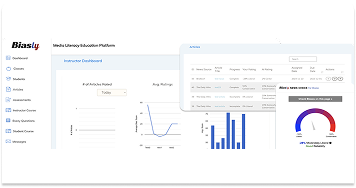
- Media Literacy Education Platform: Learn how to critically assess media sources, bias techniques, and news reliability.
Frequently Asked Questions
USA Today is rated as Center based on Biasly’s media bias algorithm, which assesses sentiment, article framing, and policy favorability.
While USA Today is not widely known for promoting fake news, it has faced occasional accuracy controversies. In one widely reported case, an external correction request led the outlet to review a reporter’s work; the organization said some quoted individuals were not affiliated with the organizations listed, and some quotes appeared to be fabricated. The outlet removed the affected stories, and the reporter resigned.
A list of the 23 articles written by Miranda and taken down by USA Today can be found here.
Biasly uses a combination of AI sentiment analysis and human analyst review to assess tone, fact accuracy, source quality, and media bias indicators. Learn more on our Bias Meter page.
Generally, yes, though partisan framing and selective reporting can affect perceived reliability and credibility.
Military Spending
| Date | Sentiment | Associated Article | Snippet |
|---|---|---|---|
| 08/25/2019 | 75% For | Trump Family Detentions Flores Agreement (link) | So, of course, the Trump administration is doing the opposite in a baldfaced |