









How News Sources Portray Nationalistic Ideals Policy
This chart shows how major news sources across the ideological spectrum frame nationalistic ideals policy, from left to right-leaning perspectives.















Nationalism, made distinct from patriotism by its propensity to advance one nation to the detriment of others, is an ideology that appears to resonate more with Republicans than Democrats. Nationalist sentiments seem to be reflected in polling. A Pew Research poll indicates that nearly two-thirds of ideologically right-leaning U.S. citizens (71%) say that speaking the local language is very important to national belonging, compared to less than a quarter of left-leaning Americans (21%). For more bias in the media, check out our journalist media bias analytics.
Brief History of Nationalism
Nationalism in the United States has evolved in a variety of ways since the country’s founding. In the 18th and 19th centuries, American nationalism was primarily rooted in ideals of independence and the break from the European monarchy. This early form of nationalism was centered on the idea of self-governance, rather than cultural uniformity.
By the mid-19th century, nationalism began to take on a more exclusionary form. Nativist movements like the Know-Nothing party in the 1850s promoted anti-Catholic and anti-immigration nationalism, reflecting fears that the American identity was under threat from foreign influences. During and after the Civil War, nationalism became even more sectionalized, often over the definition of American unity and citizenship.
After World War I, nationalist ideals surged again with a wave of restrictive immigration laws such as the Immigration Act of 1924, which sought to preserve a predominantly Anglo-Saxon identity. This period also saw a rise in symbols of national unity, such as the Pledge of Allegiance and patriotic holidays, that helped to introduce an emotionally charged and militaristic form of nationalism in America.
Post World War II, a shift in nationalist policies occurred during the Cold War as American nationalism became a force for global democracy. While nationalism continued to carry aspects of exceptionalism, the Civil Rights Movement began to challenge the traditional narrative and push for a more inclusive American identity. More recently, particularly after 9/11, nationalism re-emerged to link itself to issues of immigration, border security, and sovereignty.
Democratic Stance on Nationalistic Ideals
Democrats tend to approach the idea of nationalism with caution, careful to distinguish between inclusive patriotism and exclusionary nationalism. The left party generally avoids framing the American identity as something fixed. Instead, they embrace the idea of an immigrant-founded nation where diversity is seen as a defining strength rather than a threat.
Leftist lawmakers often support policies that promote civic inclusion, such as immigration reform, voting rights protections, and expanded civil liberties, by framing them as America’s founding ideals. The Democratic platform frequently warns against ethnonationalist and xenophobic movements, associating them with rising authoritarianism abroad. Additionally, the Democratic policy stance on nationalistic ideals invokes a values-based nationalism centered on justice, equality, and democratic norms that contrast with what the party views as exclusionary nationalism. This perspective is often aimed at supporting international cooperation, rather than framing it as contradictory to American interests and identity.
This approach was reflected in the Biden administration’s 2021 decision to increase refugee admissions, to demonstrate America’s moral leadership and humanitarian responsibility as integral to its national character. Democrats framed the move as an endorsement of the nation’s founding values of welcoming the vulnerable and upholding human rights. This view of nationalism embraces international obligations, viewing them as a fulfillment of national values, rather than viewing them as a threat to the American identity. Take our media literacy online course to learn how media bias affects how you receive your information.
Politicians Who Oppose Nationalistic Ideals
Left-leaning Americans (21%) say that speaking the local language is very important to national belonging.
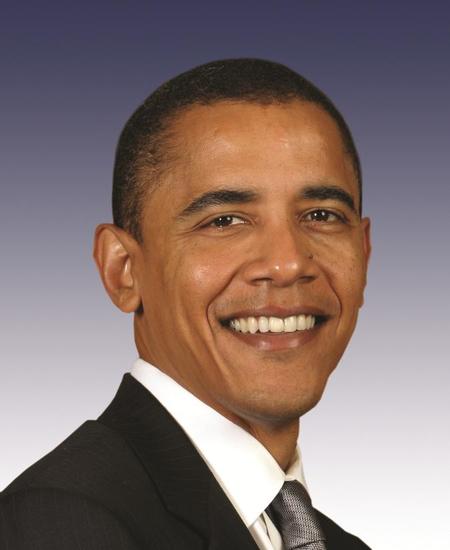
Barack Obama
“We are going to have to guard against a rise of a crude sort of nationalism, or ethnic identity, or tribalism that is built around an ‘us’ and a ‘them.’ ... I will never apologize for saying that the future of humanity and the future of the world is going to be defined by what we have in common, as opposed to those things that separate us and ultimately lead us into conflict.”
Joe Biden
“American democracy only works if we choose to respect the rule of law and the institutions that were set up in this chamber behind me, only if we accept our legitimate political differences. ... MAGA forces are determined to take this country backwards — backwards to an America where there is no right to choose, no right to privacy, no right to contraception, no right to marry who you love. They promote authoritarian leaders, and they fan the flames of political violence.”
Republican Stance on Nationalistic Ideals
Republicans often perceive nationalism ideals as a positive force that encourages pride in America’s history and independence. The slogan “America First” reflects a core Republican belief that the United States should prioritize its sovereignty, economic interests, and cultural values. This often includes defending the Constitution, securing borders, and resisting global pressures that may compromise American jobs or traditions. This perspective usually involves strong support for border security, stricter immigration enforcement, and a belief that American culture and jobs should be protected from outside influence.
Furthermore, Republican nationalistic ideologies tend to focus on the idea that the U.S. should not be overly dependent on international agreements. Rightwing policymakers often criticize globalism as a threat to American workers, industries, and decision-making. This can be seen in the Trump Administration’s withdrawal from the Trans-Pacific Partnership (TPP) in 2017, a trade deal the Republican administration at the time argued would hurt American workers and give too much leverage to foreign companies.
Another central theme in Republican nationalism is the belief in “traditional American values,” such as faith, family, and individual responsibility, as central to the national identity. Additionally, rightwing lawmakers vouch for less regulation of the economy and the environment, promoting individual rights such as gun ownership and lower taxes for wealthy individuals whose tax burden is often higher. Moreover, many Republicans argue that cultural and foreign influences are undermining these values, leading them to support large deportation programs and policies that support these values in school, media, and public life.
Politicians Who Support Nationalistic Ideals
Right-leaning Americans (71%) say that speaking the local language is very important to national belonging.
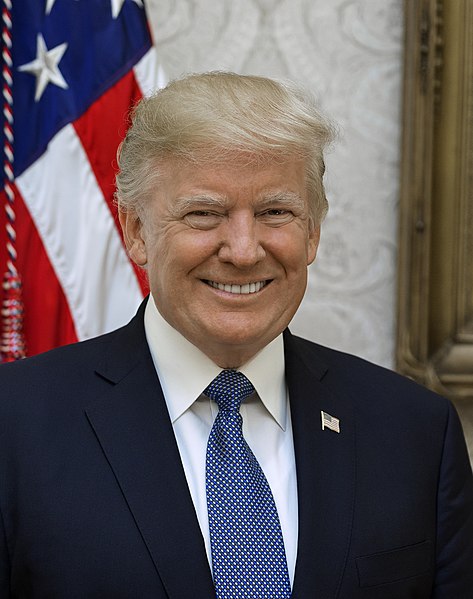
Donald Trump
“You know, they have a word. It sort of became old-fashioned. It's called a nationalist. And I say really, we're not supposed to use that word. You know what I am? I am a nationalist. Use that word. Use that word. ... We're putting America first… it hasn't happened in a lot of decades. We're taking care of ourselves for a change, folks.”
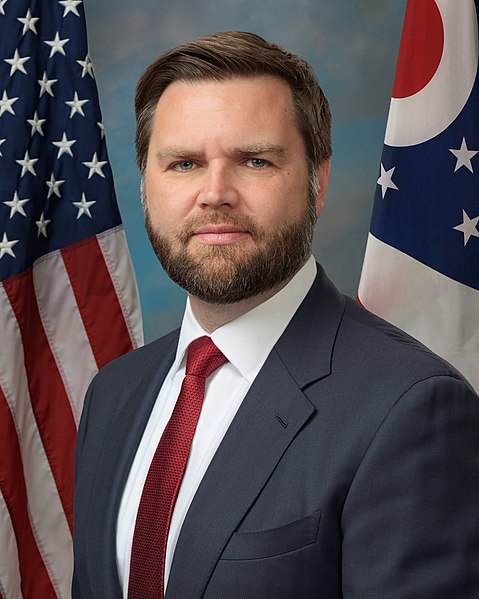
JD Vance
“One of the things that you hear people say sometimes is that America is an idea. But America is not just an idea. It is a group of people with a shared history and a common future. It is, in short, a nation. ... Even though the ideas and the principles are great, that is a homeland. That is our homeland. People will not fight for abstractions, but they will fight for their home.”
Partisan Divides in the Meaning of Nationalism
While both major parties invoke sentiments of pride and loyalty, their definitions of nationalism diverge significantly. Republicans tend to frame nationalism as the idea of protecting the sovereignty, traditions, and economic interests of the United States. This encompasses policies such as securing borders, cultural preservation, and resisting global pressures that may attach strings to state autonomy. The phrase “America First” captures this outlook by positioning American workers, industries, and values at the center of policymaking.
Democrats, on the other hand, support a more inclusive national identity rooted in diversity. This form of nationalism is defined by upholding democratic norms, expanding civil rights, and engaging with the global community. Overall, this divide reflects more profound ideological differences about what it means to belong in America and whether strength is best demonstrated through self-reliance or cooperation. As nationalism continues to shape U.S. politics, these contrasting visions will remain central to debates over immigration, foreign policy, and the future of the American project itself. For more ways that Biasly helps to identify bias in the media today, check out our political consulting services.
