









How News Sources Portray Private Property Policy
This chart shows how major news sources across the ideological spectrum frame private property policy, from left to right-leaning perspectives.







Many of the media biases we observe, whether in news coverage or political rhetoric, stem from the fundamental differences in policy perspectives held by major political parties. One of the many key points of conflict is private property.
Private property refers to “property that is not government-owned.” Instead, these properties are owned by individuals or private organizations. It is the legal right for people to own and control possessions, such as land, homes, or businesses. Private property policy is a key pillar in the U.S. Constitution, playing a major role in protecting individuals from government overreach while shaping American freedom and economy.
Both the Democratic and Republican parties advocate for the protection of individual property rights. However, their policy stances on private property differ when it comes to government regulation, taxation, and environmental concerns.
The Democratic Stance on Private Property
The Democratic Party recognizes private property as a vital component of American democracy. However, Democrats emphasize the need for balance between social responsibility and personal ownership. Generally, they believe property rights should coexist with environmental protections, affordable housing, and economic fairness.
Democrats often support property tax policies that fund public services such as schools and infrastructure. This usually means higher taxes for wealthier property owners. They also advocate for regulations that prevent misuse of private property, such as zoning laws that protect public health or prevent environmental damage. At the same time, Democrats also support eminent domain — the government’s right to take private property for public use — if the government’s use of it will serve a clear community benefit, such as building roads, hospitals, or renewable energy facilities.
The Democratic Party values the importance of private property rights, but also believes that some degree of social responsibility is required. They acknowledge that private assets should support the common good and equality.
Politicians Who Support Private Property
The Democratic Party recognizes private property as a vital component of American democracy.

John F. Kennedy
“What I want to emphasize this morning is the great obligation which all of our people owe to you and those like you who serve the great interest of our people in maintaining our society as we know it, in permitting it to function. Your work protects the family. Your work protects private property, which is the basis of our social life and our family life. Your work permits us to meet our responsibilities as a Nation.”
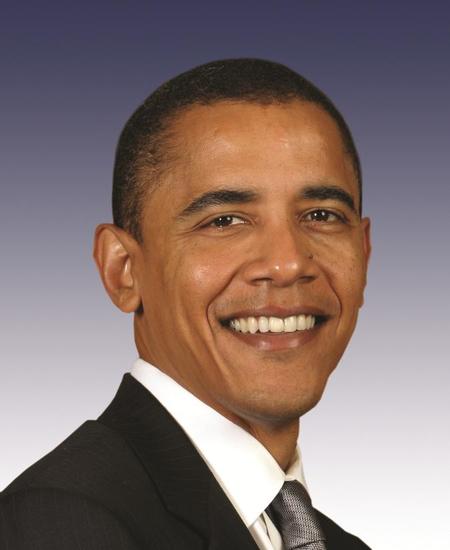
Barack Obama
“Those countries where businesses can feel confident that there will be peaceful transitions of power, that corruption is prosecuted, where there's rule of law, where there's protection of private property, where the government is practical and not wildly ideological; that is what will attract American businesses.”
The Republican Stance on Private Property
On the other hand, the Republican Party places a stronger emphasis on private property protections, asserting that private ownership is directly tied to freedom, independence, and economic prosperity. They argue that excessive regulations or taxation limit citizens’ rights and discourage economic growth.
Unlike Democrats, Republicans disagree with government actions that infringe on private property rights, such as zoning laws or eminent domain. They advocate for lowering property taxes, a key difference from the Democratic Party, and minimizing land-use restrictions. This ensures individuals can make their own decisions about their land and businesses without unnecessary oversight.
Republican policies typically focus on strengthening property ownership and limiting governmental control. For example, GOP platforms often promote reducing government size and limiting federal land ownership to allow private development. Private property is considered a fundamental individual right that guarantees people that the government will not interfere in their lives, maintaining America’s constitutional values and economic strength.
Politicians Who Support Private Property
The Republican Party asserts that private ownership is directly tied to freedom, independence, and economic prosperity.
Ronald Reagan
“Well, they understood that private property — those Founding Fathers of ours — is one of the most important of civil rights, the most fundamental protection of the individual and the family against the excessive and always growing demands of the state. They knew that without economic liberty, political freedom may be no more than a shadow.”
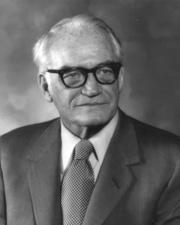
Barry Goldwater
“This country has grown great and strong and prosperous by placing major reliance on a free economy. Private property, free competition, hard work — these have been our greatest tools.”
Policy on Private Property in the United States
Constitutional protections and state laws shape private property rights in the U.S. The Fifth Amendment provides that “private property shall not be taken for public use without just compensation.” The Takings Clause protects citizens from unfair seizure by the government, allowing compensation for all kinds of private property.
Limits of private property rights, such as zoning laws or land-use regulations, exist to balance private ownership and public welfare. Despite restricting owners from having complete rights on their properties, they aim to ensure community safety and sustainability. Furthermore, polling indicates that 76% of Americans would be more likely to vote for a candidate that would fight for private property protections. These findings suggested no significant variation between demographic or political groups.
While both major political parties strive for private property protections, Democrats often support government involvement in regulating private property when it serves a social and developmental purpose. Republicans, however, argue for less regulation, allowing individuals to have more control over their properties without government intervention.
Generally, the U.S. applies a mix of private property policies, allowing individual ownership with limited government regulation when necessary.
A Brief History of Private Property in the U.S.
Private property rights are deeply rooted in the history of the United States. Early thinkers such as John Locke believed that private property ownership was a natural right derived from an individual’s labor. This philosophy influenced the Founding Fathers and was reflected in the U.S. Constitution and the Bill of Rights.
In the 19th century, laws such as the Homestead Act of 1862 granted land to settlers, reinforcing the value of ownership and hard work. During this time, private property rights became a component of personal freedom, which became increasingly complex as cities expanded and industrialization improved. When governments started imposing regulations to ensure public safety, tension surged between individual liberty and collective responsibility.
By the 20th century, the New Deal extended federal authority in regulating property and business. The legal protection of private property reached the federal level in court cases such as Kelo v. City of New London (2005), where the Supreme Court ruled that economic development could qualify as public use. This sparked national debate due to the government’s overreach of power.
Modern debates about property rights are central to issues like land ownership, taxation, and privacy. Both major political parties agree that protecting property rights is essential, but differ in how far those protections should go.
What the Future Holds
The future of private property in the U.S. will depend on a proper balance of economic growth, fairness, and independence. While expansion and technology continue to evolve, property laws might adapt to new changes. Here is what we see as the future of private property policy:
- Democrats are expected to continue advocating for responsible ownership through regulations that address climate change, social equity, and housing shortages.
- Republicans, on the other hand, will likely push for stronger property protections to limit government interference and encourage private-party investment.
Private property rights ensure freedom and stability, making it the foundation of democracy and capitalism. The debate will remain, paving the way for new policies that can protect these rights while ensuring fairness for all.
To explore how each political party views other key policy topics, visit Biasly’s full list of Political Party Policy Stances.
To unlock more data-driven insights into media bias, explore political leanings with research-backed tools, and customize your news feed around what matters most to you, sign up for a Biasly Premium News Membership.
